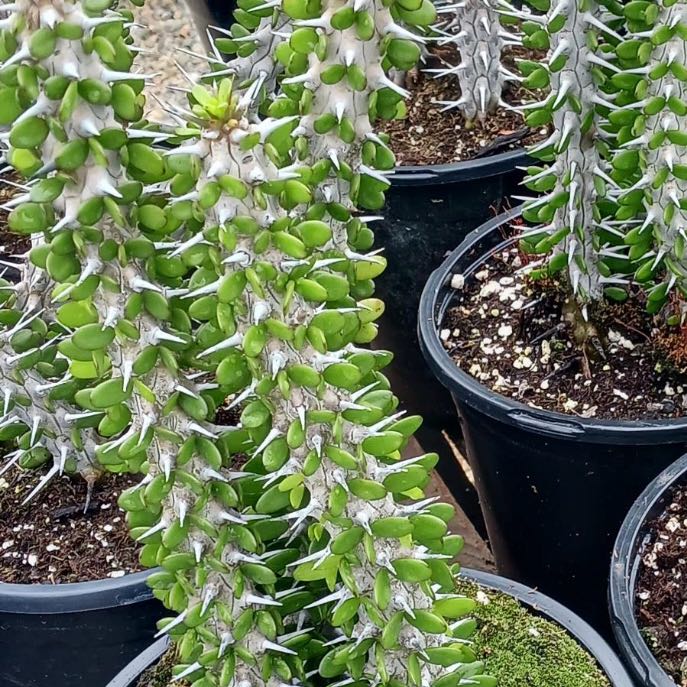
How to Plant an Ocotillo
Plant ocotillo in full sun in fast-draining gritty desert soil, zones 8 through 11. A bareroot cane must go in bottom side down, the same way it grew, set to the depth of its original soil line. A container plant goes in with the top of the root ball flush to grade. Do not water heavily at planting. Expect the first leaves only after rain, with steady establishment over the first full year.

When and where to plant
Ocotillo is hardy in zones 8 through 11 and grows best in full sun, six or more hours of direct light. Anything shadier and the plant stretches, leafs out poorly, and flowers little to none. In its native Sonoran and Chihuahuan deserts it grows on rocky slopes and dry washes, so the planting site needs to mimic that.
The most important site condition is sharp drainage. Heavy clay, low ground that collects rain, or anywhere irrigation pools is the wrong spot. Decomposed granite, sandy loam, or native gritty desert soil all work well, and a slight rise or south-facing slope adds extra insurance against standing water. Soil pH is not picky, anywhere from slightly acidic to alkaline is fine.
Plant bareroot canes in late winter or early spring before the heat builds. Container plants can go in spring or fall, avoiding the hottest stretch of summer when transplant stress compounds with heat. Space mature plants at least six feet apart to let the whip-like stems fan out without crowding.
Planting a bareroot ocotillo
Most ocotillos sold by nurseries come as a bundle of leafless canes that look like dead sticks. They are alive but dormant. The single rule you cannot get wrong is orientation. A bareroot ocotillo has a clear top and bottom from the way it grew, marked by an old soil line near the base and roots fanning out from that end. Planted upside down the cane cannot push roots and will die over the first season.
-
1Identify the bottom end of the cane Look for the old soil line, a darker ring or band near one end where the cane was originally in the ground, and for small root stubs fanning out from that same end. This is the bottom. The top end tapers to thinner whip stems and may show old flower spike scars. If you cannot tell at all, ask the nursery to mark it before you leave.
-
2Dig a wide shallow hole on draining ground Dig a hole roughly twice the width of the base of the cane bundle and only as deep as the old soil line on the canes. Wide and shallow gives the new roots room to fan out laterally in the top foot of soil where most desert plant roots live. Do not amend the soil with compost or potting mix, ocotillo wants the lean gritty native ground.
-
3Set the cane bottom side down and backfill Hold the cane upright with the old soil line at finished grade and the root stubs spread out at the bottom of the hole. Backfill with the native soil you removed, firming gently around the base to remove large air pockets. If the cane is tall enough to catch wind, drive in two or three stakes around it and tie loosely to hold the plant steady while roots form.
-
4Water in lightly, then leave it alone Give the planting hole one slow soaking just deep enough to settle the soil around the base, no more. Heavy watering at planting is the fastest way to rot a dormant bareroot ocotillo before it ever roots. After that first soak, water only once every two to three weeks through the first summer and stop entirely once cool weather returns.
Planting a container-grown ocotillo
A container ocotillo arrives already leafed out or with green tissue under the bark, which makes it easier to read than a bareroot cane but more sensitive to heat and overwatering during the first weeks. The critical rule is the same drainage and sparing water that bareroot needs. Treat the new ground exactly like the desert site this plant evolved on, never like a typical garden bed.
-
1Pick a hot day in spring or fall Aim for a mild stretch in spring after night temperatures stay above 45°F, or in early fall once the worst summer heat has broken. Planting during peak summer stacks heat stress on top of the move from a shaded nursery yard into open sun. If you must plant in summer, do the work at dawn and rig light shade for the first week.
-
2Dig wide and shallow on draining ground Measure the root ball, then dig a hole twice as wide and exactly the same depth, never deeper. Wide loosens the soil so the lateral desert roots can push out into native ground. Skip any compost, potting mix, or moisture-holding amendments, they hold water against the roots and cause the rot ocotillo is most vulnerable to.
-
3Slide the plant in with the root ball top flush to grade Tip the pot on its side and slide the plant out, supporting the canes by their base. Set the root ball in the hole so its top sits flush with the finished soil level, not below. Burying the crown invites rot in the wet season and is the most common mistake when moving from a smaller container into the ground.
-
4Backfill, water in lightly, mulch with gravel Backfill with the same native soil you removed, firming gently as you go. Give a single slow soak to settle the soil, then stop, soggy ground at planting kills more new ocotillos than any other cause. Top with a 1 to 2 inch layer of decomposed granite or gravel mulch, kept away from direct contact with the base of the canes.
The first year
The first year for a newly planted ocotillo is mostly invisible action. The cane is pushing new roots into the surrounding soil before it commits energy to leaves, and a bareroot cane in particular can look identical from month one to month six. Resist the urge to read a leafless cane as a dead cane.
The single biggest first-year mistake is watering on a schedule. Ocotillo evolved to leaf out in response to rain and drop those leaves again in dry stretches, which means soil that stays moist between waterings rots the roots before they can establish. Water deeply but rarely, roughly every two to three weeks through the first warm season, then back off entirely once nights turn cool.
A healthy first-year cane stays firm to the squeeze, shows green tissue when you scratch a small spot of bark near the base, and pushes a flush of small green leaves within a few days of any significant rain.
What can go wrong
-
Cane turning soft or spongy
Too much water at or after planting is almost always the cause. A firm cane is a living cane, a soft one is rotting from the base up. Stop watering immediately and check that the planting site drains within an hour after rain. If only the top of the cane is affected and the base is still firm, the cane may push new growth from the firm tissue once it dries out. -
Planted upside down (no roots forming)
An inverted bareroot cane cannot push roots and slowly desiccates over the first season. If you suspect orientation is wrong, gently dig down a few inches to check for the old soil line and root stubs. Within the first few weeks the plant can be lifted, flipped, and replanted at the same depth. After two or three months, the cane has usually lost too much moisture to recover. -
Cane shriveling and pulling away from the bark
Severe dehydration from too long out of the ground before planting, or from a planting hole that drains so fast no water reaches the roots. Mist the canes lightly with a spray bottle for several days in a row and give one slow soak at the base. A cane that scratches green under the bark near the bottom is still alive and may rehydrate over a few weeks. -
No leafing out after the first rain or watering
First-year ocotillos sometimes wait an entire warm season before pushing leaves while the roots establish. Confirm the cane is alive by scratching a small patch of bark low on the stem, green tissue means the plant is fine. If the cane is brown and dry all the way down, it has failed to root and will need replacing. -
Black mushy base in heavy soil
Crown rot from waterlogged ground. The cane will not recover once the base has gone black. Going forward, replant on a raised mound at least six inches above grade, or move the planting site entirely to a south-facing slope or rocky area where water drains within an hour of any rain. Skip the soil amendments that hold moisture. -
Cane leaning or snapping in wind
A newly planted bareroot cane has no anchor roots yet and is top-heavy. Drive two or three stakes around the cane and tie it loosely with soft material that will not cut into the bark, holding the cane upright without rigid clamping. Leave the stakes in place for the first full year, then remove them once roots have taken hold and the plant stands on its own. -
Bleached or yellowed cane on a container transplant
Sunburn from a container plant that was grown under shade cloth at the nursery and moved into full desert sun the same day. Rig 30 to 50 percent shade cloth over the plant for two weeks after planting, then remove it gradually over several more days. New growth that emerges after the acclimation period will be fully sun-tolerant. -
Cold damage on the upper canes
In zone 8 and on the colder edges of zone 9, hard frosts can blacken the tips of young canes that have not hardened off yet. Damage usually stops at the line where the cane was protected by snow, mulch, or radiant ground heat. Wait until the danger of frost passes in spring before cutting back any damaged tips, the plant often pushes new growth from below the dieback line.
About This Article
