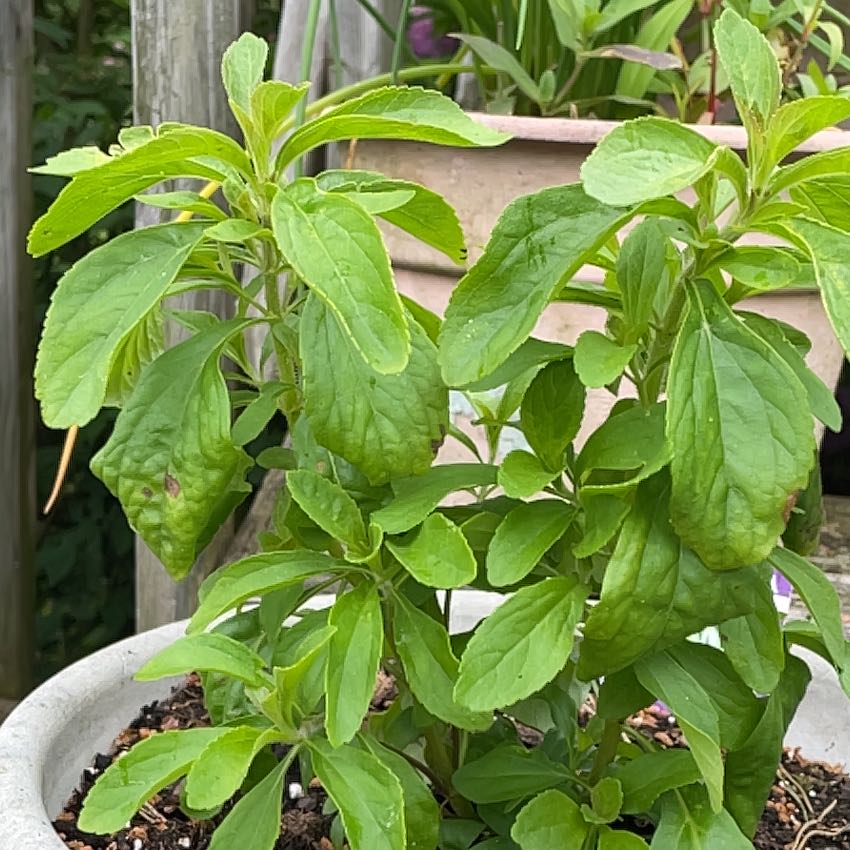
How to Grow Stevia
Plant Stevia after the last frost in full sun, in loose well-drained soil that holds some moisture. Pinch the growing tips back every couple of weeks to keep the plant bushy and produce more leaves. Harvest leaves any time before flowering starts, because the leaves turn bitter once the plant blooms.

Where to plant
Stevia is a tender perennial from Paraguay, hardy outdoors only in USDA zones 9 through 11. Everyone in colder zones treats it as a warm-season annual or grows it in pots brought indoors for winter. The plant reaches 1 to 2 feet tall in a season.
Sun
Full sun produces the strongest plants with the sweetest leaves. Six to eight hours of direct sun daily is the target. Anywhere below four hours produces weak leggy growth and weaker sweetness.
In zones 8 and warmer, light afternoon shade through the hottest part of summer helps the plant avoid heat stress. Morning sun with afternoon shade is a workable substitute for full sun in those zones.
Drainage
Stevia roots rot quickly in soggy soil but the plant wilts fast in dry conditions. The right spot drains well but holds moisture between waterings. Dig a one-foot test hole and fill it with water. If it drains within a few hours, the spot is fine. If water sits overnight, build a raised bed or grow in a container.
Soil
Loose garden soil enriched with compost suits Stevia well. The roots want oxygen, so avoid heavy clay or compacted ground. A few inches of compost worked into the planting area before planting gives the plant everything it needs.
Space
Space plants 12 to 18 inches apart. Closer spacing produces a denser planting that crowds out weeds, while wider spacing produces fuller individual plants.
How to plant
Stevia starts slowly from seed (low germination rates and slow early growth). Most growers buy small starts from a garden center or take cuttings from an established plant. Plant outdoors after the last frost when soil temperatures reach 55°F.
-
1Choose healthy starts Pick young plants with deep green leaves and no signs of leggy growth. A short bushy start outperforms a tall thin one because pinching builds the canopy from the ground up.
-
2Dig a hole the same depth as the root ball Do not bury the crown. The point where stems meet roots should sit at or just above the surrounding soil level. Buried crowns rot quickly in this species.
-
3Backfill with native soil mixed with compost Use the soil that came out of the hole with a handful of compost mixed in. Press gently around the root ball to settle the soil without packing it tight.
-
4Water deeply at planting Soak the planting until the top six inches feel uniformly damp. This is the most important watering of the season for new plantings.
-
5Pinch the growing tips after a week Once the plant has settled in and is showing new growth, pinch the central growing tips back by about an inch. This forces side branches and starts the plant on the bushy shape that produces the most leaves.
-
6Mulch lightly A 1 to 2 inch layer of straw or shredded leaves around the plant holds in soil moisture and keeps the roots cool. Skip thick mulch right against the stems.
Watering and feeding
Watering
Stevia wants consistently moist soil that never sits wet. Water deeply when the top inch of soil feels dry, soaking the root zone rather than splashing the leaves. Drip irrigation or a watering can at the base works best.
In-ground plants typically need a deep soak twice a week during summer heat, with more during dry stretches. Container plants dry out faster and may need daily watering when the weather is hot.
Avoid overhead watering on the foliage. Wet leaves in humid weather invite fungal trouble and reduce essential oil concentration.
Feeding
Stevia is a light feeder. Work compost into the soil at planting and you have given the plant most of what it needs for the season. A single light feeding of balanced fertilizer at mid-season helps potted plants, since nutrients leach out with each watering.
Avoid heavy nitrogen feeding, which pushes the plant into leafy growth without improving the leaf sweetness. Compost or a slow-release organic fertilizer works better than synthetic high-nitrogen formulas.
Pruning and maintenance
Stevia rewards regular pinching and shaping. Each pinch produces two new shoots, which produce more leaves to harvest, which keeps the plant from flowering too soon.
Pinching for bushiness
Pinch the central growing tip when the plant reaches about 6 inches tall, removing the top inch. Pinch again every couple of weeks through the season. Each pinch forces two side branches, building a dense bushy plant with many flowering points.
Removing flower buds
Watch for small white flower buds forming at the stem tips in late summer. Pinch them off as soon as you see them. Letting the plant flower triggers a shift in the leaves that turns them bitter and ends the sweet harvest window. Removing buds keeps the plant in leaf-producing mode for several more weeks.
Cutting back for a second flush
If the plant gets tall or leggy mid-season, cut the whole plant back to about 6 inches above the soil. Water lightly afterward. New bushy growth emerges in 2 to 3 weeks, producing a second flush of sweet leaves for harvest.
Harvest
Stevia leaves can be harvested any time the plant is actively growing, but the strongest sweetness comes from leaves picked just before the plant tries to flower in late summer. A single mature plant produces 1 to 2 cups of dried leaves over a season.
When to harvest
Pick leaves any time after the plant is well-established, usually starting 4 to 6 weeks after transplanting. The biggest concentrated harvest comes in late summer when the plant is about to flower (look for small white buds at the stem tips).
Once flowers actually open, the leaves lose sweetness fast. If you see open flowers, cut the affected stems back hard to the base of the plant and let it regrow.
How to harvest
For a small fresh harvest, snip individual leaves or short stem tips. For a major harvest, cut whole stems back to about 6 inches above the soil. The plant regrows from the base.
Pick in the cool of early morning when the leaves hold the most concentrated sugars. Avoid picking in the heat of the day or after rain, when the sweetness is diluted.
Drying the leaves
Strip leaves off the stems and spread them in a single layer on a tray or screen in a warm, dry, shaded room. Drying takes about 2 to 4 days depending on humidity. The leaves are dry when they crumble easily between your fingers.
Store dried whole leaves in an airtight jar away from light. They keep their sweetness for about a year. Grind to powder just before using to keep the flavor strong.
Overwintering in cold zones
In zones 8 and colder, dig up the plant in fall before the first hard frost, transplant into a 1-gallon pot with fresh potting mix, and bring indoors to a bright window. The plant survives winter as a houseplant and goes back outside after the last frost in spring.
Common problems and pests
Most Stevia trouble traces back to water management or the plant's natural late-summer push to flower.
Wilting in midday heat
Stevia leaves droop dramatically in afternoon heat even when the soil is moist. Check again at dawn. If they have recovered, the plant is fine. If they are still wilted, soak the root zone deeply. Repeated afternoon wilting in a sunny spot means the plant needs afternoon shade in your zone, or more consistent watering.
Wilting that does not recover overnight
Root rot from soggy soil. Pull back watering immediately, check the drainage of the planting spot, and remove the plant if more than half the roots feel mushy. Replant in a raised mound or container with better-drained mix.
Leaves turning bitter mid-season
The plant has started to flower or is about to. Check for small white flower buds at the stem tips. Pinch them off immediately. Cut affected stems back to encourage fresh bud-free growth, which restores the sweetness in 2 to 3 weeks.
Leggy stretched plants with few side branches
Too little sun, or not enough pinching. Move the plant to a sunnier spot if possible, and pinch every growing tip back hard to force branching. If the plant is severely leggy, cut the whole thing back to 6 inches and start over with the new growth.
Aphids on new growth
Small green or black insects clustered on stem tips and the undersides of leaves. Knock them off with a strong spray of water. Heavy infestations respond to insecticidal soap. Ladybugs eat aphids faster than any spray, so plant a few yarrows or sweet alyssum nearby to attract them.
Whiteflies fluttering up when you brush the plant
Tiny white flies that swarm out when you disturb the foliage. Yellow sticky traps catch adults. Spray the undersides of leaves with insecticidal soap or neem oil, repeating every few days to break the breeding cycle.
Yellow lower leaves and slow growth
Most often a nutrient deficiency in container-grown plants where nutrients have leached out. Apply a balanced liquid fertilizer at half strength and check again in two weeks. In-ground plants with this symptom may be waterlogged, so check drainage too.
Poor seed germination
Stevia seeds germinate slowly and unevenly, sometimes only 1 in 5 sprouting. This is normal for the species and not a problem you can fix. Buy small starts instead, or propagate from cuttings of an established plant.
About This Article
