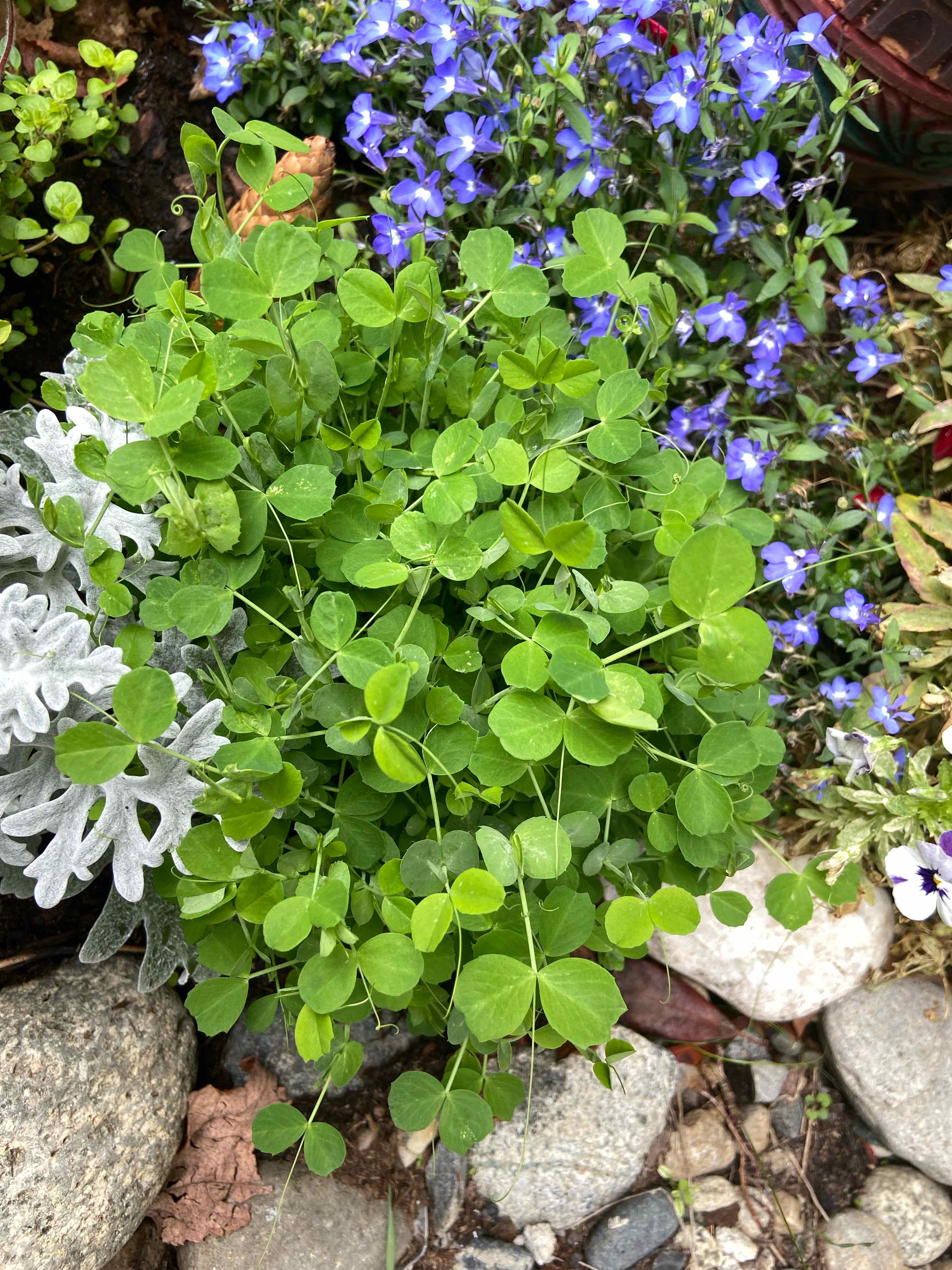
How to Grow a Sugar Snap Pea
Plant Sugar Snap Pea seeds directly in the ground in early spring as soon as the soil is workable, 1 inch deep and 2 inches apart, with a 5-foot trellis ready. Pick pods 60 to 70 days from planting while they are still bright green and crisp. Harvest every other day to keep new pods coming.

Container vs garden bed
Sugar Snap Pea grows in either a garden bed or a large container. The choice usually comes down to space and convenience rather than yield. Both perform well in the cool weather the plant prefers.
Garden bed
A garden bed gives the roots more room and produces the heaviest yield per square foot. Vines can run 5 to 8 feet up a trellis, so a fence line or a wall of stakes and netting works perfectly. The bed should drain well and warm early in spring.
Crop rotation matters here. Peas are legumes that fix nitrogen, so the following crop benefits from the residue. Do not plant peas where peas or beans grew the previous year, since soil-borne diseases linger.
Pot
A wide container at least 12 inches deep and 18 inches across suits a row of peas with a tepee trellis set inside. Choose a fabric or terracotta pot that drains freely. Plastic pots dry out fast in the cool wind of spring.
Container plants need water more often than in-ground ones. Plan to water every other day in mild weather and daily once the heat of late spring arrives.
Where to plant
Sugar Snap Pea is a cool-season annual that grows best in spring and again in fall in mild climates. The plant tolerates light frost as a seedling and stops producing once daytime highs settle into the 80s F. Pick the spot for the trellis first, since pulling pods off a flopping plant is a chore.
Sun
Six or more hours of direct sun produces the heaviest crop. Less sun yields a lighter harvest, but the plant still bears in part shade with at least four hours of direct sun.
In zones 7 and warmer, a spot that gets afternoon shade extends the harvest by a couple of weeks into early summer before the heat shuts the plant down.
Drainage
Well-drained soil is essential. The seeds rot in cold wet ground before they sprout. Raised beds excel here, since the soil warms and drains faster than a flat bed. Heavy clay yards benefit from amending with coarse compost in a wide area.
Soil
Loose loamy soil with plenty of organic matter is ideal. Work two inches of compost into the planting area before sowing. Peas do not need heavy nitrogen feeding, since the roots host bacteria that produce their own. A light dusting of bone meal under the row improves root development.
Crop rotation
Do not plant Sugar Snap Pea where peas or beans grew in the previous year. Root rots and powdery mildew strains persist in the soil for a year or more and reduce yields across the legume family. A four-year rotation through leafy greens, fruiting crops, and root crops works well.
How to plant
Sow seeds directly in the ground as soon as the soil is workable in early spring, generally four to six weeks before the last frost. Pre-soaking the seeds for 12 hours speeds germination by a few days. Set the trellis up first so seedlings can climb as soon as they emerge.
-
1Soak the seeds overnight Place the seeds in a bowl of room-temperature water for 8 to 12 hours before planting. Soaking softens the seed coat and speeds germination by 2 to 3 days. Drain just before sowing.
-
2Build the trellis first Set up a 5-foot trellis along the planned row before any seeds go in. The plant climbs by tendril and needs something to grab within a week of emergence. A simple wall of stakes and netting or a teepee of bamboo poles tied at the top works well.
-
3Dig a shallow trench Run a one-inch-deep trench along the base of the trellis. Sprinkle a thin band of bone meal in the bottom and dust the seeds with a pea-specific rhizobia inoculant if available. The inoculant supplies the nitrogen-fixing bacteria the roots partner with.
-
4Sow seeds 2 inches apart Drop seeds into the trench 2 inches apart and cover with one inch of soil. Tamp the soil down lightly with your hand to ensure good seed-to-soil contact.
-
5Water gently Soak the row with a gentle rose on the watering can. Strong jets dislodge the seeds and disturb the soil. Keep the row evenly moist until germination in 7 to 14 days.
-
6Mulch lightly after emergence Once seedlings are 2 inches tall, spread a thin layer of straw or chopped leaves along the row. Mulch keeps the soil cool and moist as the weather warms toward summer.
Watering and feeding
Watering
Water deeply once or twice a week through the growing season, soaking the root zone rather than splashing the foliage. Drip irrigation or a slow hose at the base prevents the powdery mildew that takes off in damp weather.
Consistent moisture during flowering and pod set keeps the pods sweet and tender. Long dry spells make the pods stringy and tough. Containers dry faster and may need water every other day in late spring.
Feeding
Sugar Snap Pea fixes its own nitrogen and rarely needs added feeding. A single application of a balanced low-nitrogen fertilizer at planting time is plenty for a productive crop.
Skip nitrogen-heavy fertilizers entirely. Excess nitrogen produces lush vines at the expense of pods. If the plant looks pale, a single tablespoon of bone meal scratched into the soil along the row supplies phosphorus that supports flowering.
Pruning and support
Sugar Snap Pea is a climbing annual that needs ongoing support but very little pruning. The work is mostly about guiding tendrils onto the trellis early on and removing the spent plant at the end of the season. The vines hold themselves up once they latch on.
Training to the trellis
Once seedlings reach 4 to 6 inches, gently guide the tendrils onto the trellis with a fingertip. The plant grabs hold within a day. Most modern strains climb on their own without daily attention, but a few wayward shoots may need lifting back to the support once a week.
Removing yellowed lower leaves
Lower leaves yellow and brown naturally as the plant climbs. Strip off the brown ones to improve airflow and reduce hiding spots for slugs and mildew. The plant tolerates losing the bottom third of its leaves without slowing pod production.
End-of-season cleanup
Once production stops in late spring or early summer when temperatures climb into the 80s F, cut the vines off at the soil line and leave the roots in place. The roots add nitrogen to the soil for the next crop. Compost the foliage if disease-free, or discard if mildewed.
Harvest
Sugar Snap Pea produces edible pods 60 to 70 days from sowing. The crop arrives over three to four weeks in spring, with daily picking through the peak. A 10-foot row yields enough pods for several family-sized meals.
When pods are ready
Pick pods when they look filled out but still bright green and crisp, with peas visible as small bumps along the pod. The pod should snap cleanly when bent. A dull color and stringy texture mean the pod has gone past peak and is best left for shelled peas inside.
Check the plant every other day through the harvest window. Pods left on the plant signal the plant to slow flowering, while regular picking keeps new flowers coming.
Picking technique
Hold the vine with one hand and pull the pod off with the other. Pulling on the pod alone can rip the vine. Some growers cut with snips for the cleanest result.
Pods keep best at cool room temperature for a day or two. Refrigerated in a sealed bag, they hold for 3 to 5 days. Freeze excess after a brief blanch for use through the rest of the year.
Eating the pea shoots
The top 4 to 6 inches of young vines are also edible, tasting like sweet pea-flavored greens. Snip a few tips while the plant is still small and toss them into a salad. Excessive harvesting of shoots reduces pod yield, so take a handful here and there rather than mowing the plant down.
Common problems and pests
Most Sugar Snap Pea troubles trace back to warm weather, wet soil, or the family-specific diseases that target legumes.
Seeds rot before sprouting
Cold wet soil at planting time, where the seed sits too long before germination. Pre-soak the seeds overnight and wait until the soil is at least 45 F before sowing. A handful of dry coarse sand in each planting hole improves drainage in clay soil.
Vines yellow and collapse
Root rot from a soil-borne fungus, common after a wet spring or repeated planting in the same bed. Pull infected plants and discard. Rotate to a different bed for at least three years before growing peas or beans in the same spot.
White powdery film on leaves
Powdery mildew, especially in warm humid weather as the season progresses. Improve airflow by spacing rows wider and thinning crowded vines. Water at the base rather than overhead. Severe outbreaks respond to a milk-and-water spray or a sulfur fungicide.
Aphids on new growth
Small green or black insects cluster on new shoots and the undersides of new leaves. Knock them off with a strong spray of water. Heavy infestations respond to insecticidal soap. Ladybugs and lacewings usually arrive within a week and finish the job.
Pods stop forming as the weather warms
Sugar Snap Pea quits when daytime highs settle into the 80s F. Pick all available pods as the heat arrives and pull the plant once production stops. Plan a second sowing in late summer for a fall crop in mild-winter regions.
Tough stringy pods
Pods left on the plant too long or grown under drought stress. Pick at the right stage and water consistently through pod development. Once pods turn dull and stringy, shell out the inner peas and use those instead of the whole pod.
Pea weevil notches in leaves
Adult weevils chew U-shaped notches along leaf edges in spring. Damage is mostly cosmetic on established plants. Floating row cover over young seedlings prevents most damage. A spinosad spray helps heavy infestations, applied at dusk when the weevils are active.
Yellow leaves with brown spots
Bacterial blight or fungal leaf spot, both more common in warm wet conditions. Remove infected leaves and discard. Avoid overhead watering and improve airflow. Severe outbreaks respond to a copper fungicide. Rotate the bed for two to three years if disease is persistent.
Birds eating young seedlings
Sparrows and other ground-feeding birds find pea seedlings irresistible. Cover the row with floating row cover or bird netting from sowing through 4-inch height. Once the vines reach the trellis, the birds usually move on.
About This Article
