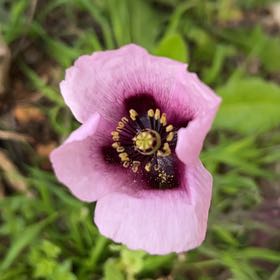
How to Grow Poppies
Direct-sow Poppies in fall in mild zones or very early spring in colder zones, in full sun with lean well-drained soil. Skip transplanting and nursery starts, since the long taproot resents disturbance. Thin seedlings to 6 to 8 inches apart. Expect papery blooms 65 to 85 days from sowing.

Where to plant
Poppies are cool-season annuals grown across USDA zones 3 through 10. The plant reaches 2 to 4 feet at maturity and blooms in late spring or early summer before declining in summer heat.
Sun
Full sun, at least six hours a day, produces the strongest stems and the heaviest flower display. The plant tolerates light afternoon shade in zones 8 and warmer, but anywhere with less than four hours of direct sun produces weak floppy growth and very few blooms.
Drainage
Poppies need sharp drainage. Seedlings rot quickly in cold wet soil, and damping off is the leading cause of failed sowings. Dig a one-foot test hole and fill it with water. If water sits more than a few hours, build a raised bed or work coarse sand into the planting area before sowing.
Soil
Lean to average soil produces the best plants. Heavily amended or fertilized soil pushes growth into leaves at the expense of flowers, and the stems flop under the weight of the blooms. Skip the compost amendments and rich potting soils.
Space and self-seeding
Scatter seed thinly so the seedlings come up at roughly 4 to 6 inches apart, then thin to a final 6 to 8 inches once true leaves appear. The plant self-seeds freely in a spot it likes, and many growers leave a few seedpods to dry on the plant each year for a self-sustaining patch.
How to plant
Direct-sow Poppies outdoors when the soil can be worked. The plant germinates in cool soil between 50°F and 65°F and needs a period of cool weather to develop before flowering. Spring-sown plants flower in late spring to early summer, and fall-sown plants in zones 7 and warmer flower a few weeks earlier the following spring.
-
1Skip the seed-starting kit Direct-sow only. The long taproot resents transplanting and seedlings moved from cells or pots rarely recover. Buying nursery starts is also not recommended for the same reason.
-
2Prepare the soil surface Rake the planting area smooth, removing weeds and clods. Skip heavy amendment, since this species blooms best in lean conditions.
-
3Scatter the seed thinly The seeds are very small. Mix the seed with a few tablespoons of dry sand before scattering to spread it more evenly. Aim for roughly 8 to 10 seeds per square foot.
-
4Press the seed in lightly Tamp the surface with the back of a rake or your palm. The seed needs light to germinate, so do not bury it. A scatter of soil so thin you can still see seed here and there is right.
-
5Water gently and keep moist Mist or use a fine spray to avoid washing the seed away. Keep the soil surface moist until germination, which takes 10 to 21 days in cool weather.
-
6Thin once true leaves appear When seedlings have a few true leaves, thin to 6 to 8 inches apart by snipping at the soil line rather than pulling. Pulling disturbs the neighboring taproots.
Watering and feeding
Watering
Water gently and consistently during germination so the soil surface stays moist but never waterlogged. Once seedlings are established with true leaves, taper to deep weekly watering when rainfall is light.
Mature plants are fairly drought-tolerant and finish the season with little extra water in most years. Avoid overhead watering on open flowers, since rain and sprinklers shatter the papery petals.
Feeding
Skip the fertilizer. Poppies grown in even moderately rich soil produce lots of leafy growth and flop under the weight of the blooms. If the plants look genuinely starved by late spring, one very light application of a low-nitrogen bloom-booster fertilizer is enough.
Pruning and maintenance
Poppies are low-maintenance annuals that ask for thinning early in the season and a decision about seedpod handling at the end.
Thinning seedlings
Thin seedlings to 6 to 8 inches apart once they have a few true leaves. Snip rather than pull to avoid disturbing the surrounding taproots. Thick stands of unthinned seedlings produce weak floppy plants with small flowers.
Deadheading or letting seedpods form
Deadheading extends the bloom period for a couple of weeks by stopping the plant from putting energy into seed production. For a self-seeding patch or a seedpod harvest, leave the spent flowers in place and let the pods form.
Once formed, the pods take 4 to 6 weeks to dry on the plant. They are ready when they rattle when shaken. Cut them then for arrangements or for seed collection.
End of season cleanup
The plants decline naturally as summer heat sets in. Pull or cut spent plants once they yellow, leaving any pods you want to drop seed in place. Many growers leave the dried stalks standing through midsummer to allow seeds to scatter for next year.
Blooming and color
Poppies are grown for the showy papery flowers in late spring and early summer. The display is short, often only 2 to 3 weeks per plant, but the colors and forms are striking.
Bloom timing
Each bud opens for just a day or two before dropping its petals, but a healthy patch produces successive blooms over 2 to 3 weeks. Spring-sown plants flower in May or June depending on the zone. Fall-sown plants in zones 7 and warmer flower a few weeks earlier the following spring.
Color and form
The flowers come in white, pink, lavender, mauve, purple, and red, with single, semi-double, double, peony-form, and fringed selections available from seed. The papery petals look fragile but hold up well in calm weather.
Cutting for arrangements
Cut buds just as they crack open in the early morning and bring them indoors immediately. Sear the cut stem ends in boiling water for about 10 seconds, which keeps the sap in the stem and prevents wilting. The cut blooms last 3 to 4 days in a vase.
Dried seedpods
Once mature, the pods are decorative on their own and popular in dried arrangements. Cut stems when the pods rattle and hang upside down in a dry room for a few days to finish drying. The pods hold their shape for years.
Common problems and pests
Most Poppy problems trace back to wet soil, crowded stands, or sowing depth. The plant is otherwise fairly trouble-free.
Seeds fail to germinate
Usually sowing depth, not seed quality. The seed needs light to germinate and a thin layer of soil over it suppresses sprouting. Re-sow with seed pressed onto the surface and barely covered. Cold wet soil also delays germination, so wait for soil temperatures between 50°F and 65°F.
Seedlings collapse at the soil line (damping off)
A fungal disease that thrives in cold wet soil. Improve drainage, thin seedlings aggressively for airflow, and avoid overwatering young seedlings. Sowing on a slight raised mound rather than flat ground helps in heavy soils.
Weak floppy plants with few flowers
Most often a sign of too much fertility or too thick a stand. Thin to 6 to 8 inches apart and skip fertilizer next year. Plants growing in lean soil with proper spacing stand sturdier and produce more blooms.
Aphids on buds and new growth
Small green or black insects clustered on the buds just before flowering. Knock them off with a strong spray of water. Heavy infestations respond to insecticidal soap. Ladybugs eat aphids faster than any spray, so plant a few yarrows or sweet alyssum nearby to attract them.
Slugs and snails on seedlings
Ragged holes chewed in young foliage, often with slime trails visible in early morning. Hand-pick at dusk after a rain. Iron phosphate slug bait is safe around pets and works overnight.
Bolting and quick decline in summer heat
Poppies are cool-season annuals that naturally wind down once temperatures push past 80°F most afternoons. Plan for the plants to finish in early to mid summer. Replant the spot with a warm-season annual once the poppies are done.
Self-sown plants weaker than the parent
Common when too many seedlings come up in one spot and compete. Thin the volunteer patch the same way as a deliberate sowing. Also consider scattering fresh seed every couple of years to keep genetic diversity in the patch.
Petals shattered by rain
Open flowers drop their petals quickly in heavy rain or overhead watering. There is no fix once the petals are gone, but next year you can site the patch under a roof overhang or use drip irrigation to keep water off the flowers.
About This Article

Royal Horticultural Society