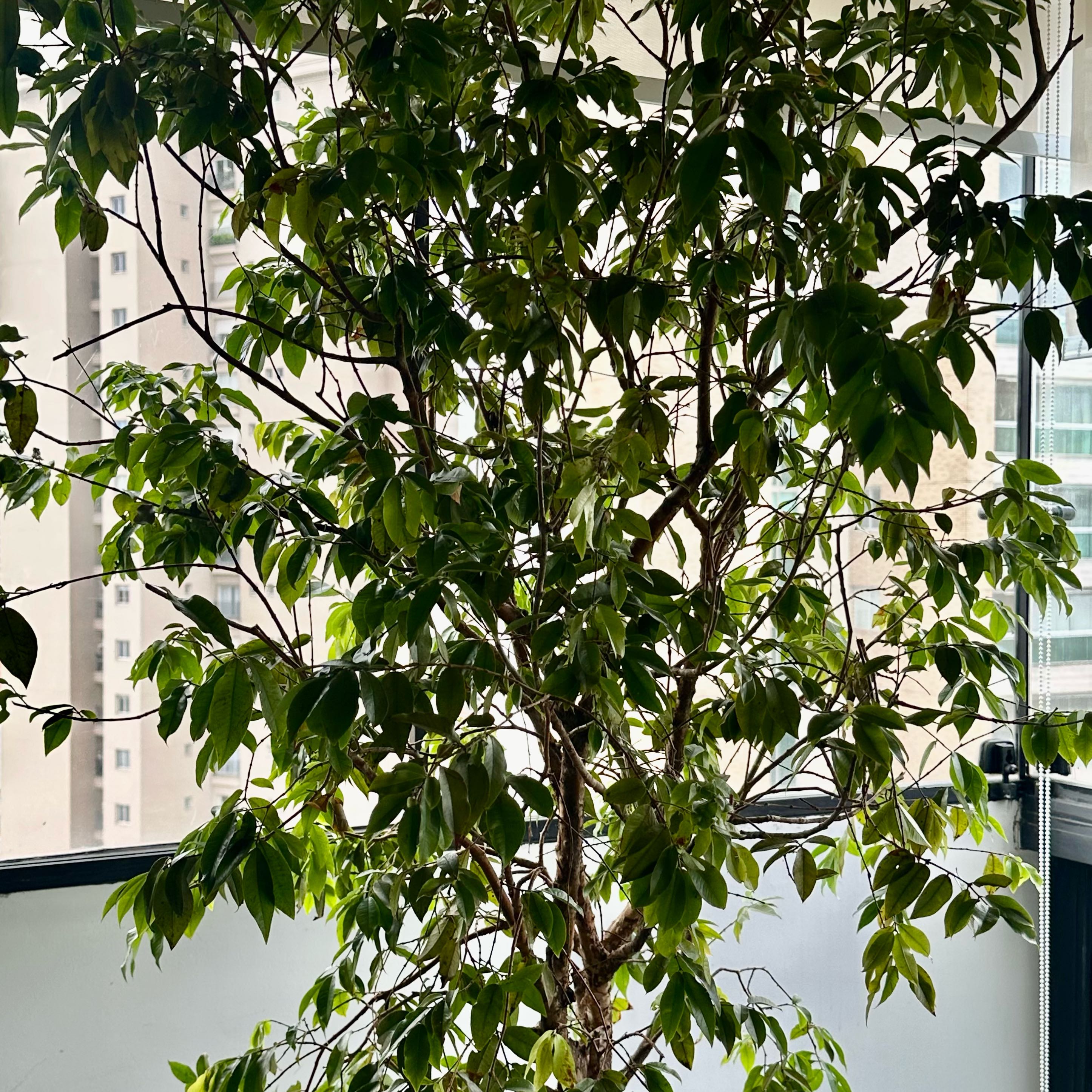
How to Grow a Jaboticaba
Plant Jaboticaba in full sun, in rich slightly acidic well-drained soil, in USDA zones 9 to 11. The grape-sized purple-black fruit grows directly on the trunk and main branches, so leave the bark untouched. Be patient: first fruit comes 4 to 8 years from a young seedling, sooner from grafted stock.

Where to plant
Jaboticaba is a slow-growing evergreen Brazilian tree for USDA zones 9 to 11. Brief light frosts cause leaf burn but rarely kill an established plant, while hard frosts kill young trees outright. In cooler climates, grow in a large container that summers outside and winters indoors in a bright warm spot. The tree is famous for fruiting on its trunk and main branches rather than at the tips of new growth.
Sun
Full sun produces the strongest growth and the heaviest fruiting flushes. Six or more hours of direct sun is the minimum. Young trees in their first year benefit from light afternoon shade while they establish.
Indoor container plants in cool climates need the brightest window in the house, ideally south-facing, with a grow light through the short days of winter.
Drainage
Well-drained soil is non-negotiable. Roots rot fast in soggy ground. Dig a one-foot test hole and fill it with water. If water sits overnight, build a raised mound 6 to 12 inches above grade and plant on top of it, or grow in a container with generous drainage holes.
Soil
Rich, deep, slightly acidic loamy soil with plenty of organic matter is the ideal. Alkaline soils common in south Florida need a serious sulfur amendment and an acidic mulch like pine bark or pine needles to keep the soil pH down. Heavy clay benefits from a raised mound and added grit.
Space
Jaboticaba grows slowly into a multi-stemmed tree 15 to 30 feet tall with a similar spread. The tree takes decades to reach full size. Give it 15 feet of clear space in every direction so the bark-fruit display has room to be seen. Container plants stay much smaller (5 to 10 feet) and produce smaller crops.
How to plant
Plant in spring once nights stay reliably above 55F. New roots establish fastest when soil temperatures sit in the 70s. Jaboticaba is famously slow to establish and to grow, so settle in for a long-term project.
-
1Dig a wide hole Twice as wide as the root ball but only as deep. The lateral roots spread sideways into loose soil and establish faster than they would in a narrow deep hole.
-
2Loosen the root ball If the roots circle tightly inside the nursery pot, tease them apart by hand or score the outside with a clean knife. Roots that go in circling tend to stay that way and slowly girdle the tree as it matures.
-
3Set the tree slightly high The top of the root ball should sit about an inch above the surrounding soil. The plant settles as the soil compacts, and a buried trunk flare invites rot at the base.
-
4Backfill with native soil and acidic compost Mix a couple of shovels of compost (or peat-based acidic amendment for alkaline native soils) into the dug-out soil and use that mix to fill the hole. Avoid pure compost or potting mix in the planting hole.
-
5Water deeply Soak the entire root zone until the top six inches feel uniformly damp. This first watering settles the soil around the roots and is the most important watering of the tree's first year.
-
6Mulch three inches deep with pine bark or pine needles Acidic mulch helps keep the soil pH in the range this tree prefers. Keep the mulch a few inches back from the trunk to prevent rot at the base. Refresh the mulch each spring.
Watering and feeding
Watering
Water deeply twice a week through the first growing season to help the tree establish, soaking the root zone rather than splashing the leaves. Drip irrigation or a soaker hose at the base works best.
After the first year, Jaboticaba needs consistent soil moisture through the warm months. Drought stress directly reduces fruit set on this tree, and an established plant will skip a fruiting flush if it goes dry. A deep weekly soak in dry weather keeps fruiting reliable. Container plants need water two or three times a week in hot weather.
Feeding
Feed every two months through the warm growing season with a fertilizer labeled for tropical fruit or acid-loving plants. Young trees benefit from higher-nitrogen blends in their first few years to build canopy and trunk thickness.
Once the tree starts producing fruit (year 4 to 8 depending on the stock), shift to a fertilizer with extra potassium and phosphorus to support the multiple fruiting flushes. Back off feeding entirely in the cool season.
Pruning
Jaboticaba fruits directly on the trunk and main branches (a habit called trunk-bearing), so the bark of these surfaces must be left untouched. Pruning is mostly about shaping young trees, removing dead wood, and keeping the canopy open enough for sun and air to reach the fruiting surfaces.
When to prune
Prune in late winter or very early spring before new growth begins. Light shaping cuts can be made any time during the warm growing season. Avoid heavy cuts in late fall, since cool weather slows healing.
What to cut
Remove any dead, broken, or crossing branches at the collar. Take out vertical water sprouts. Thin the canopy lightly so sun reaches the inside branches and the trunk, where the fruit forms. Avoid scraping or damaging the smooth bark of the trunk and main branches, which carries the fruiting points.
Young trees benefit from being trained to a single main leader or a small group of three to five main branches that hold the future fruiting surfaces. Once that framework is established, light shaping is all that is needed for the rest of the tree's life.
Container plants
Container Jaboticaba needs careful annual pruning to stay at a manageable size for the patio or greenhouse. Cut the leaders back by no more than a quarter each spring to control height, while protecting the trunk bark. The plant tolerates root pruning at repotting, which slows growth and keeps the canopy in scale.
Harvest
Jaboticaba is grown for the grape-sized purple-black fruit that emerge directly on the trunk and main branches. The thick skin surrounds a translucent jelly-like white flesh with a sweet-tart flavor often compared to muscadine grape with a hint of lychee. A mature tree fruits in multiple flushes each year, sometimes covering the trunk with fruit so densely that the bark disappears.
When fruit is ready
The fruit changes from green to deep purple-black as it ripens, over about 20 to 25 days from flower to ripe fruit. Pick when fully black and the fruit detaches with a gentle twist. Ripe fruit is plump and gives slightly when pressed.
First fruit comes in year 4 to 6 from a grafted nursery tree, or as long as 8 to 15 years from a seedling. The tree fruits in flushes through the warm season, with two to five flushes per year in suitable climates.
Picking and storing
Hand-pick the fruit by twisting gently from the bark. The thick skin is not particularly fragile, but the fruit ferments fast once picked, often within two to three days at room temperature. Refrigerate immediately to extend shelf life to about a week.
Most growers process the fruit quickly into jam, jelly, wine, or juice, since fresh storage life is so short. The fruit also freezes well, which is the easiest way to keep a flush for later use.
How to eat the fruit
Squeeze the fruit between your fingers and the soft flesh pops out into your mouth. The thick skin is generally not eaten fresh (it can be bitter and astringent), but it is what gives the wine and jam their deep color and complexity.
Common problems and pests
Jaboticaba is famously low-maintenance once established, and most complaints are about slow growth and slow time to fruit rather than pests or diseases.
Slow growth and no fruit yet
Jaboticaba is genuinely slow. Seedling trees take 8 to 15 years to first fruit, while grafted trees take 4 to 6 years. Patience is the answer. Verify the tree is in full sun, fed consistently with an acidic fertilizer, and watered through dry spells. The tree fruits when it is ready and not before.
Yellow leaves with green veins
Iron deficiency from alkaline soil. Common in south Florida and other limestone areas. Apply a chelated iron foliar spray for fast correction. For a long-term fix, amend the soil with elemental sulfur and renew an acidic mulch like pine bark each spring.
Pale leaves overall
Nitrogen deficiency or nutrient lockout from alkaline soil. Switch to a fertilizer labeled for acid-loving plants and apply at the rate on the label. Check soil pH with a home kit and aim for a pH of 5.5 to 6.5, which is what Jaboticaba prefers.
Leaves dropping after a cold night
Light frost causes leaf burn and partial leaf drop. Hard frost can kill young trees. Outdoor trees in marginal zones benefit from a south-facing wall, a frost cloth on the coldest nights, and fresh mulch over the root zone before winter. Container plants must move indoors before the first cool night.
Fruit fermenting on the tree before you can pick
Heat and humidity cause ripe fruit to ferment quickly, sometimes within a day. Pick at first full color rather than waiting. Walk the tree daily during the fruiting flushes. Process the harvest the same day into juice, jam, or freezer storage.
Birds eating the fruit
Birds love ripe Jaboticaba. In areas with heavy bird pressure, drape netting over branches as the fruit colors up. The trunk-bearing habit makes whole-tree netting easier than for trees that fruit at the canopy tips.
Sticky residue and black sooty mold
Scale insects or mealybugs feeding on sap and excreting a sugary substance that grows black mold on the trunk and leaves. Treat the underlying pest first with horticultural oil sprayed in the cool of early morning. The mold washes off with soapy water once the pest is controlled.
Sudden wilting with damp soil
Root rot from waterlogged soil, often after heavy rain on poorly drained ground. Reduce watering and improve drainage with a raised mound or French drain. Severely affected trees rarely recover.
Brown spots on leaves
Leaf spot, a fungal disease that thrives in warm wet weather with poor airflow. Remove and discard affected leaves. Improve airflow with a light canopy thinning. Avoid overhead watering. Stubborn outbreaks respond to a copper fungicide.
Cracked or peeling trunk bark
Some peeling of the smooth bark is normal as the trunk thickens. Excessive cracking can be sunburn on a young tree suddenly exposed to direct sun, or cold damage in marginal zones. Protect young trunks with a light-colored trunk wrap during the first two summers and the first two winters in marginal zones.
About This Article
