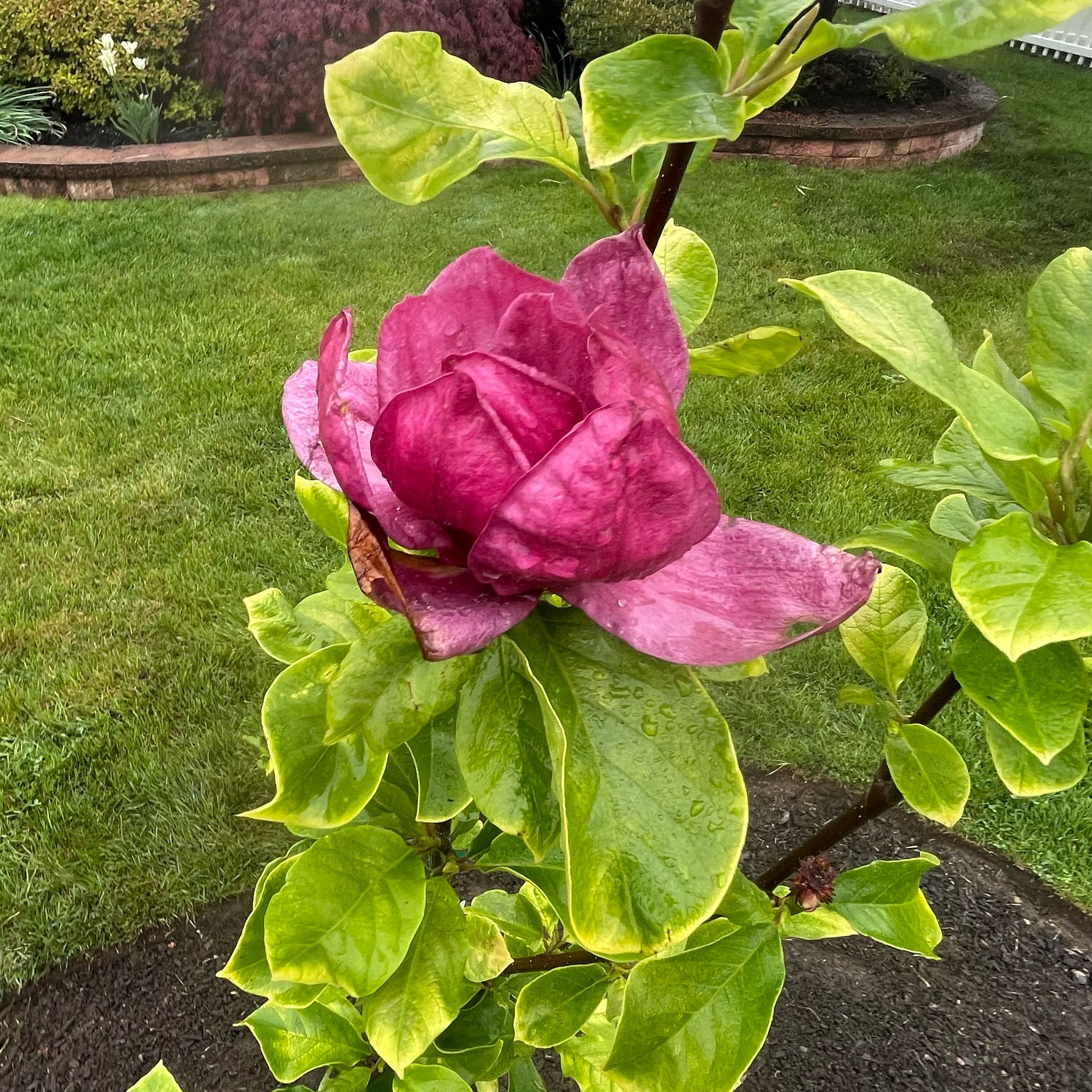
How to Grow a Genie Magnolia
Plant Genie Magnolia in full sun to part shade, in well-drained slightly acidic soil, sheltered from late spring frost. The compact tree tops out near 10 to 13 feet, so give it 8 feet of clear space. Prune lightly only after the spring flowers fade, since the tree sets next year's buds in summer.

Where to plant
Genie Magnolia is a small deciduous flowering tree hardy in USDA zones 5 through 9. It tops out at around 10 to 13 feet tall with a 5 to 7 foot spread in ten years, making it one of the smallest magnolias for tight yards. The most important siting decision is shelter from late spring frost, which can blast the open flowers in a single cold night.
Sun
Full sun to part shade. Six or more hours of direct sun produces the heaviest bloom and the deepest color in the petals.
In zones 8 and 9, light afternoon shade through the hottest part of summer keeps the leaves from scorching. Avoid deep shade anywhere in the range, since the tree blooms sparsely and stretches awkwardly toward the light.
Drainage
Well-drained soil is a must. Magnolia roots are shallow and fleshy, and they rot quickly in standing water. Dig a one-foot test hole and fill it with water. If it drains within a few hours, the spot is fine. If water sits overnight, build a raised mound 6 to 12 inches above grade and plant on top of it.
Soil
Rich loamy soil with plenty of organic matter is ideal. The tree prefers slightly acidic ground and dislikes hard alkaline clay. Work a few inches of compost and a handful of pine bark fines into the planting area before setting the tree in.
Shelter from frost
The buds open in mid spring, often weeks before the last frost has truly passed. A site with morning sun and a windbreak from the north or west protects the open flowers from the worst spring cold snaps. Avoid low frost pockets at the bottom of a slope, where cold air pools on still nights.
How to plant
Plant Genie Magnolia in early spring after the last hard frost or in early fall at least six weeks before the first hard frost. Container-grown trees can go in any time during the growing season, though spring and fall produce the strongest root establishment. Water the root ball thoroughly in the pot the day before planting.
-
1Dig a wide shallow hole Twice as wide as the root ball and only as deep as the root ball is tall. Magnolia roots spread sideways, and a wide saucer-shaped hole helps them establish faster than a narrow deep one.
-
2Inspect the roots Slide the root ball out of the pot and look for thick roots circling the outside. Gently tease any circling roots outward or score the outside of the root ball with a knife. Circling roots never straighten out on their own and eventually strangle the trunk.
-
3Set the tree slightly high Position the root ball so the top sits about an inch above the surrounding soil. The tree settles as the soil compacts, and a buried trunk flare rots faster than a high one.
-
4Backfill with native soil and compost Mix a few handfuls of compost into the dug-out soil and use that to fill the hole. Avoid pure compost or potting mix in the hole, since roots get lazy in overly rich soil and fail to spread into the wider yard.
-
5Water deeply Soak the entire root zone until the top six inches feel uniformly damp. This first watering is the most important one of the tree's first year.
-
6Mulch two to three inches deep Use shredded bark or pine bark, kept a few inches back from the trunk. Mulch keeps the shallow magnolia roots cool and holds moisture between waterings.
Watering and feeding
Watering
Water deeply once a week through the first growing season to help the tree establish, soaking the root zone rather than splashing the leaves. Drip irrigation or a soaker hose at the base is ideal.
After year two, Genie Magnolia gets by on rainfall in most years. A deep weekly soak through extended summer dry spells keeps the leaves from wilting and helps the tree set strong bud growth for next spring's blooms.
Feeding
Feed once in early spring as the buds swell, using a slow-release balanced fertilizer or one labeled for flowering trees and shrubs. Heavy nitrogen pushes leafy growth at the expense of blooms, so keep lawn fertilizer well away from the root zone.
Stop feeding by mid summer. Late feeding produces tender growth that does not harden off before winter and dies back in the first hard freeze.
Pruning
Genie Magnolia blooms on old wood, meaning the flower buds form on stems that grew the previous summer. The single most important pruning rule is to cut only within a few weeks after the spring bloom fades. Any later cut removes next year's flower buds and produces a leafy tree with no blooms.
When to prune
Prune within a few weeks after the last flowers fall in late spring. New flower buds form in summer for the following year, and any cut taken later in the season takes those buds with it.
What to cut
Genie Magnolia naturally develops a tidy upright shape and needs very little structural pruning. Remove dead, broken, or crossing branches. Thin a few inward-facing twigs from the canopy to keep airflow open. Shape any branch that breaks the tree's natural form, cutting back to a healthy outward-facing bud.
Avoid heavy shaping cuts. Magnolia bark heals slowly, and large wounds invite decay. Skip shearing entirely, since shears chop through flower buds along the cut.
Renovating a neglected tree
If the tree has grown out of bounds or become crowded inside, renovate it gradually over three years. Each year right after flowering, remove about one third of the oldest, woodiest branches at their origin. The remaining branches still bloom, and fresh growth fills in from the lower trunk. By year three, the tree has a new framework without ever losing a full bloom season.
Blooming and color
Genie Magnolia is grown for the deep burgundy spring flowers, which open as tulip-shaped goblets along bare branches before the leaves appear. A second smaller flush of bloom often follows in late summer on established trees.
Bloom timing
Flowers open in mid to late spring, usually April or May depending on the zone. The buds are tight purple cones for weeks before bursting open over a 10 to 14 day window. The tree typically blooms heavily for two to three weeks total, with the second flush in August giving a few scattered flowers later in summer.
Frost protection
An open flower turns brown overnight in a hard frost. Watch the forecast as the buds start to show color. Cover small trees with an old sheet or frost cloth on nights forecast below 30 degrees Fahrenheit. A string of incandescent holiday lights wrapped through the branches adds a few degrees of warmth on cold nights.
If frost catches the open flowers anyway, the tree typically pushes a smaller second wave of blooms a week or two later from buds that had not yet opened.
Cutting flowers
Cut a few stems with open and unopened buds for indoor arrangements during peak bloom. Stems hold for 5 to 7 days in a clean vase of cool water, and the unopened buds continue to open indoors. Cut early in the morning and use sharp pruners to make a clean angled cut.
Common problems and pests
Most Genie Magnolia trouble involves spring frost on the open flowers or root stress in poorly drained ground. The tree is otherwise low-maintenance and pest-resistant.
Brown mushy flowers after a cold snap
Spring frost damage on open blooms. The tree itself is unharmed and continues to leaf out normally. Pick off the dead flowers and watch for a second smaller flush of bloom a week or two later from buds that had not yet opened. For the next year, plan to cover the tree with frost cloth on cold nights once the buds start to show color.
Wilting leaves in summer despite watering
Usually root rot from poor drainage, which kills feeder roots and leaves the tree unable to take up water even when the soil is wet. Stop watering, scrape back the mulch to let the surface dry, and check the trench around the trunk for soggy soil. Trees in heavy clay benefit from being replanted on a raised mound in fall.
Yellow leaves with green veins
Iron chlorosis, common on alkaline soil since the tree prefers slightly acidic ground. Apply a chelated iron foliar spray for quick green-up and amend the soil with sulfur or acidic mulch like pine bark or pine needles to lower pH over time. Persistent chlorosis on the same tree year after year usually means the underlying soil chemistry needs ongoing correction.
Scale insects on stems and branches
Small bumps that ooze sticky honeydew, sometimes followed by black sooty mold growing on the residue. Scrape light infestations off with a thumbnail or wipe with a cotton swab dipped in rubbing alcohol. Heavier infestations respond to horticultural oil sprayed in late winter while the tree is dormant. The sticky residue and mold wash off with soapy water once the scale is gone.
Leaf spots in summer
Fungal leaf spot caused by humid weather and wet foliage. Improve airflow by thinning a few inner branches after flowering, water at the base of the tree instead of overhead, and rake up fallen leaves in autumn so the fungus does not overwinter in the debris. Severe outbreaks respond to a copper-based fungicide, but cultural changes prevent recurrence better than spraying.
Dieback at branch tips
Often winter damage on tender new growth that did not harden off before cold, especially in zone 5 sites. Wait until late spring to assess. Damaged wood snaps cleanly and shows brown inside. Cut affected tips back to the next healthy outward-facing bud. Fresh growth fills in by mid summer.
Few or no flowers this spring
Most often caused by pruning at the wrong time, since the tree sets next year's flower buds in summer. A late spring frost can also kill open or about-to-open buds. Mark the calendar to prune only within a few weeks of the bloom fading, never later. Young trees under five years old also bloom lightly while building their framework, so patience often solves a sparse bloom on a small tree.
Trunk cracks in winter
Sunscald on the south or southwest side of the trunk, caused by winter sun warming the bark on cold days and the bark contracting sharply when the sun moves off. Wrap young trunks with a paper tree wrap from late fall through early spring for the first 3 to 5 years. Painting the trunk white with diluted latex paint also reflects winter sun.
Deer browsing on young trees
Deer occasionally browse magnolia buds and twigs, especially in late winter when food is scarce. Spray with deer repellent at bud break and again after each heavy rain through spring. A circle of low fencing or chicken wire around the trunk during the first few winters keeps young trees safe.
About This Article
