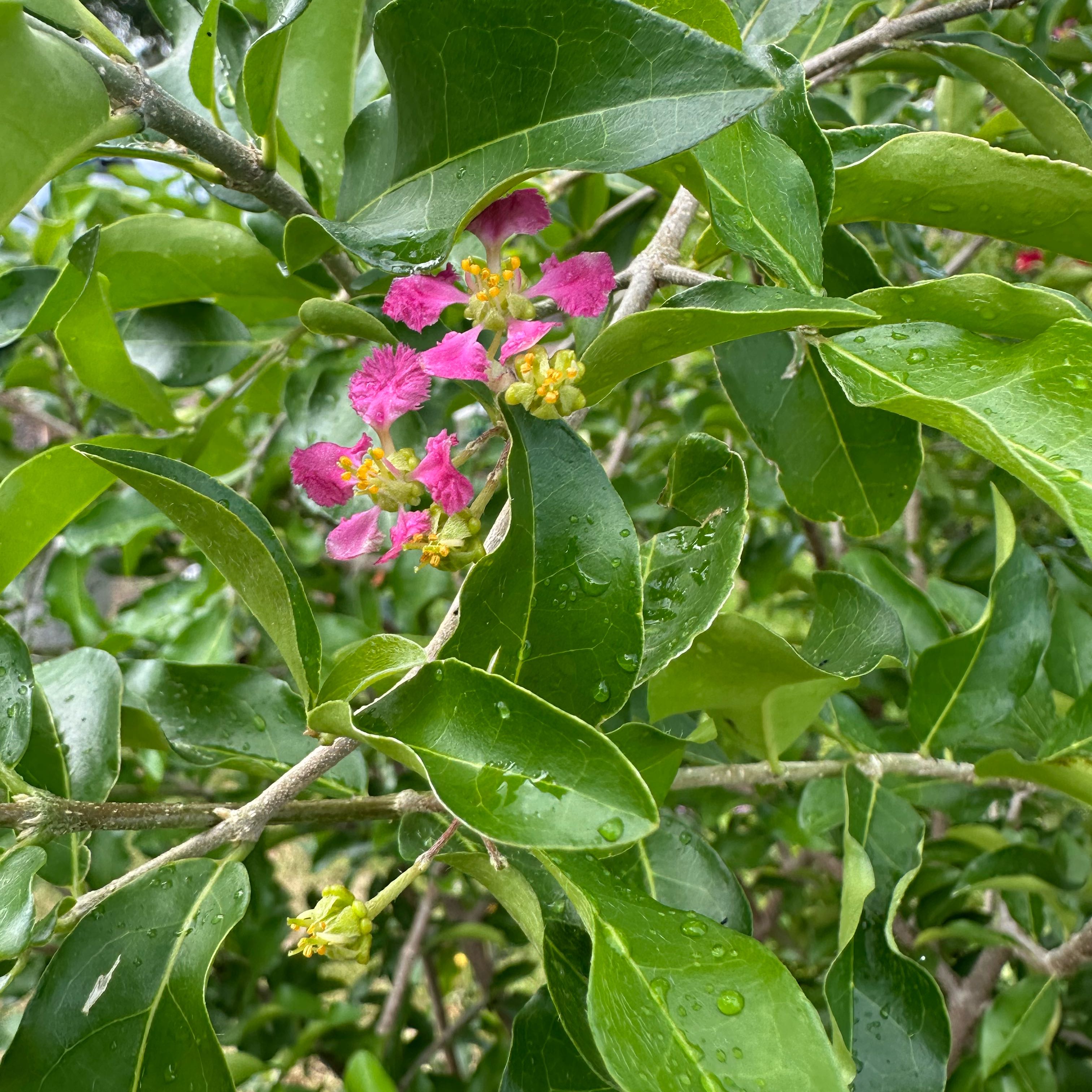
How to Grow a Barbados Cherry
Plant Barbados Cherry in full sun to part shade, in well-drained soil, in USDA zones 9 to 11. The shrub is self-fertile, so a single plant produces fruit. Pick the small red cherries ripe and use them within a day or two since they bruise easily. First decent harvest comes in year 2 to 3.

Where to plant
Barbados Cherry is a tender evergreen shrub or small tree native to the Caribbean and Central America. It grows hardy outdoors in USDA zones 9 to 11. Brief light frosts cause leaf drop but rarely kill an established plant, while hard frosts can kill young plants. In cooler climates, grow in a large container that summers outdoors and winters indoors.
Sun
Full sun produces the heaviest fruit set. Six or more hours of direct sun is the minimum. Light afternoon shade in very hot summer climates (zone 10 and 11) keeps the leaves looking fresh without reducing fruit set much.
Indoor container plants in cool climates need the brightest window in the house, ideally south-facing, plus a grow light through the short days of winter.
Drainage
Well-drained soil is essential. Dig a one-foot test hole and fill it with water. If water sits overnight, build a raised mound 6 to 12 inches above grade and plant on top of it, or grow in a container with generous drainage holes.
Soil
Barbados Cherry tolerates a wide range of soils, including the alkaline sandy and limestone soils common in south Florida and the Caribbean. Rich loamy soil with organic matter is the ideal, but the plant produces well in much leaner conditions too. Heavy clay soils need a raised planting mound and added grit.
Space
Barbados Cherry grows into a multi-stemmed shrub 8 to 15 feet tall with a similar spread. Give each plant 8 to 10 feet of clear space. Self-fertile, so a single plant produces fruit, though two or more plants increase total yield through better cross-pollination. Container-grown plants stay smaller (4 to 8 feet) with annual pruning.
How to plant
Plant in spring once nights stay reliably above 50F. Container-grown plants can go in any time during the warm season. New roots establish fastest when soil temperatures sit in the 70s.
-
1Dig a wide hole Twice as wide as the root ball but only as deep. Lateral roots spread sideways into loose soil and establish faster than they would in a narrow deep hole.
-
2Loosen the root ball If the roots circle tightly inside the nursery pot, tease them apart by hand or score the outside with a clean knife. Circling roots tend to stay that way after planting and slowly girdle the plant.
-
3Set the shrub slightly high The top of the root ball should sit about an inch above the surrounding soil. The plant settles as the soil compacts, and a buried trunk flare invites rot at the base.
-
4Backfill with native soil and compost Mix a couple of shovels of compost into the dug-out soil and use that mix to fill the hole. Avoid pure compost or potting mix in the planting hole.
-
5Water deeply Soak the entire root zone until the top six inches feel uniformly damp. This first watering settles the soil around the roots and is the most important watering of the plant's first year.
-
6Mulch two to three inches deep Use shredded bark or wood chips, kept a few inches back from the main stems. Mulch keeps the shallow root zone cool, holds moisture between waterings, and suppresses weeds.
Watering and feeding
Watering
Water deeply twice a week through the first growing season to help the shrub establish, soaking the root zone rather than splashing the leaves. Drip irrigation or a soaker hose at the base works best.
After the first year, Barbados Cherry is moderately drought-tolerant. A deep weekly soak through the dry season keeps the foliage looking healthy and supports steady fruit set. Watering swings cause fruit to drop and crack, so consistency through the fruiting flushes matters more than total volume. Container plants need water two or three times a week in hot weather.
Feeding
Feed every two months through the warm growing season with a balanced slow-release fertilizer or one labeled for tropical fruit. Young plants benefit from higher-nitrogen blends in their first year or two to build canopy.
Once the plant is fruiting, a fertilizer with a bit more potassium supports fruit development. Back off feeding entirely once the weather cools and new growth slows.
Pruning
Barbados Cherry tolerates regular pruning, which makes it popular as a hedge, espalier, or container shrub. The plant fruits in multiple flushes through the warm season on growth from the current year, so light pruning between flushes encourages fresh shoots and more fruit.
When to prune
Light shaping cuts can be made any time during the warm growing season. Heavier structural pruning is best done in late winter or very early spring before new growth pushes.
What to cut
Remove any dead, broken, or crossing branches at the collar. Cut back vertical water sprouts. Light tip pruning after each fruiting flush encourages branching and a stockier plant with more fruiting points for the next flush.
For shrubs grown as ornamental hedges, shear lightly every couple of months. For productive fruiting plants, hand-pruning keeps a more natural shape and a heavier overall crop.
Container plants
Container Barbados Cherry needs regular pruning to stay at a manageable size. Cut the main leaders back by a third in late winter and pinch the tips of new shoots through the season. The plant takes hard pruning well and recovers quickly.
Harvest
Barbados Cherry is grown for the small bright red fruit, which look like a true cherry but taste tart and have an exceptionally high vitamin C content. The plant fruits in multiple flushes through the warm season, often two to three flushes in zones 10 and 11.
When fruit is ready
The cherries ripen from green to bright orange-red in just a few weeks after the flowers fade. Pick when fully red and the fruit detaches with a gentle tug. Ripe fruit is soft and bruises easily, so handle carefully.
First decent harvest comes in year 2 to 3 from a young grafted nursery plant. Mature plants produce several pounds of fruit per flush, with multiple flushes per year in tropical climates.
Picking and storing
Hand-pick into a shallow container so the lower fruit is not crushed. Fresh fruit lasts only a day or two at room temperature and three to four days in the refrigerator. The fruit freezes well for smoothies, juice, and preserves, which is how most of the harvest gets used. Tart and seedy when eaten fresh, but excellent processed.
Bird pressure
Birds love ripe Barbados Cherries. In areas with heavy bird pressure, drape netting over the plant once the fruit starts to color, or plan to pick at first ripeness before the birds find them.
Common problems and pests
Barbados Cherry is a tough productive plant once established. Most problems come from cold damage, root rot, or pests on indoor container plants.
Leaves dropping after a cold night
Light frost causes leaf drop but the plant usually recovers in spring. Hard frost can kill young plants. Outdoor plants in marginal zones benefit from a south-facing wall, a frost cloth on the coldest nights, and fresh mulch over the root zone before winter. Container plants must move indoors before the first cool night.
Yellow leaves with green veins
Iron deficiency, common on alkaline soils or in old container mix. Apply a chelated iron foliar spray for fast correction. For a long-term fix, lower the soil pH with elemental sulfur or repot container plants with fresh acidic mix and use an acidic fertilizer.
Fruit dropping before ripening
Usually inconsistent watering or heat stress. Mulch the root zone two to three inches deep to even out soil moisture and water deeply during dry spells. In container plants, check whether the pot has become root-bound and pot up a size if it has.
Sticky residue and black sooty mold
Scale insects or aphids feeding on sap and excreting a sugary substance that grows black mold on the leaves. Treat the underlying pest first with horticultural oil or insecticidal soap. The mold washes off the foliage with soapy water once the pest is gone.
White cottony masses on stems
Mealybugs feeding on sap. Wipe small infestations off with a cotton swab dipped in rubbing alcohol. Heavier infestations respond to horticultural oil in the cool of early morning. Indoor container plants are especially prone to mealybugs and need regular inspection.
Webbing on leaf undersides
Spider mites, common on indoor plants and on stressed outdoor plants during hot dry spells. Rinse the foliage with a strong spray of water, focusing on leaf undersides. Repeat every few days for a week. Insecticidal soap helps with heavier infestations.
Sudden wilting with damp soil
Root rot from waterlogged soil. Check drainage by digging a small hole next to the plant or lifting a container to feel the soil weight. Reduce watering and improve drainage with a raised mound or French drain. Severely affected plants rarely recover.
Brown leaf tips on container plants
Usually salt buildup from tap water or fertilizer residue. Flush the pot thoroughly every couple of months by running water through the soil until it streams clear from the drainage holes. Switching to rainwater or filtered water helps in areas with hard tap water.
Few flowers or fruit on a healthy plant
Almost always too little sun or too much nitrogen. Move the plant to a sunnier spot if it gets less than six hours of direct sun. Switch to a bloom-boosting fertilizer with extra phosphorus for one season.
Brown spots on leaves
Leaf spot, a fungal disease in warm wet weather. Remove and discard affected leaves promptly. Improve airflow with a light thinning prune. Avoid overhead watering. Stubborn outbreaks respond to a copper fungicide.
About This Article
