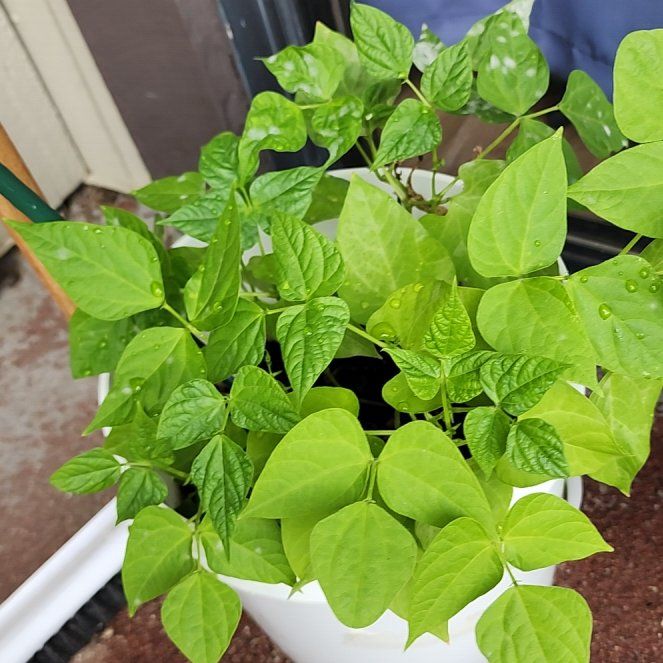
How to Water Common Bean
Phaseolus vulgaris
Reviewed by Kiersten Rankel M.S.
Quick Answer
Water your Common Beans every 3 to 5 days through vine growth and pod fill when the top inch of soil is dry. Hold steady through pod fill so the beans size up evenly.
Water in the morning at the soil line, never on the leaves. Wet leaves invite fungal problems on this crop.

Stay on top of plant care
Get seasonal reminders for watering and fertilizing — personalized for your plants.
How Often and How Much to Water
Adjust the sliders below for your pot size, light, and setting. The numbers assume rich well-draining soil with compost and a setup with drainage.
Setting
Every
9days
Use
1cup
Average across the active season. See the phase chart below for how this shifts at flowering, harvest, and other stages.
Your Watering Rhythm Across the Season
Common Bean is an annual, so its water needs shift dramatically across a single growing season rather than across the year. Match your cadence to the growth phase the plant is in.
Just planted
Keep evenly moist until seedlings emerge
Growing leaves
Every — days
Flowering
Every — days
Pod fill
Every — days
Pods drying down
Every — days
How to Water Your Common Bean
Soak deeply at the soil line in the morning. Beans drink steadily during pod set and fill, but their leaves rot fast if water sits on them overnight.
1
Water at the soil line in the morning, around the base of the plants. Wet leaves overnight invite fungus problems.
2
Pour slowly until water has soaked at least 4 inches deep. Shallow watering keeps the roots near the surface where they dry out.
3
Mulch around the base with straw or compost to lock in moisture and keep splashing soil off the lower leaves.
4
Skip overhead watering once the plants have flowered. Wet flowers drop before they set pods.
Should You Water Your Common Bean Today?
Always check before you water. Beans wilt fast when dry and bounce back quickly, but soggy soil rots roots and stalls the whole crop in a few days.
Hold off
Leaves feel firm and held outward
Vines or stems springy
Top inch of soil still feels damp
Mulch underneath still feels cool to the touch
Ready for water
Leaves drooping in the morning before the heat
Tips of vines wilting and curling
Top inch of soil dry and crumbly
Mulch underneath dry and warm to the touch
Pods stalling out partway through fill
If Something Looks Off
Underwater and overwater both show as wilting plants and dropped flowers. The soil dryness and the speed of decline are how you tell them apart.
Underwatered
Soil
Dry several inches down and crumbly
Leaves
Lower leaves yellowing and edges browning, plant limp by midday
Pace
Daily wilt that bounces back within hours of a deep soak
Next steps
Soak deeply at the soil line, wetting at least 4 inches down
Mulch around the base if you have not already
Expect the plants to lift back up by the next morning
Existing yellow leaves will not green back up. Wait for new top growth before fertilizing
Overwatered
Soil
Stays dark and waterlogged for over 3 days with a sour smell
Stem
Soft or darkening at the soil line
Leaves
Whole plant yellowing all at once with flowers and pods dropping
Pace
Sudden collapse that worsens even after you stop watering
Next steps
Stop watering and improve drainage if possible by working compost or sand into the bed
Pull plants that have collapsed at the base. Bean root rot does not recover
Wait until the top 2 inches of soil are dry before watering again, then water more deeply but less often
Remove leaves and pods that have yellowed or rotted
Got More Questions?
How often should I water Common Beans?
Roughly an inch of water per week through vine growth and pod fill, more in extreme heat or sandy soil. That breaks down to a deep soak every 3 to 5 days for most home gardens.
A simple test is to dig a finger 2 inches into the soil. If it is dry, water deeply. If it is damp, wait.
Should I water beans differently when they are flowering?
Keep the cadence steady but water at the soil line, never on the flowers. Wet flowers drop before they set pods.
Drought during flowering is the single biggest cause of flower drop in beans. If your plants flower and lose the flowers, check your watering depth first before reaching for a fertilizer.
Why are my bean leaves turning yellow?
The most common causes are too much water, not enough water, or a nitrogen deficiency in poor soil. Bean leaves yellow from the bottom up when stressed.
Check the soil first. If it stays soggy, ease the cadence and improve drainage. If it dries out fast, mulch and water deeper. Bean plants pull nitrogen from the air so a top dressing of compost is usually enough.
Can I grow beans in containers?
Yes. Bush beans do well in 3 to 5 gallon containers and pole beans need a deep 5 to 10 gallon container with a trellis. Container beans dry out fast and need water every 1 to 2 days in summer heat.
Use a rich well-draining mix with extra compost. Keep watering at the soil line to keep the leaves dry.
How do I water beans in a raised bed?
Soaker hoses or drip lines are the cleanest setup. Run them at the soil line so water reaches the roots without wetting the leaves.
If you hand-water, use a wand with a soft nozzle and aim at the base of the plants. Water in the morning so any splashes dry by mid-afternoon.
Why are my pods coming in stunted or curled?
Inconsistent watering during pod fill is the top cause. If the plant runs short of water for even a couple of days during this stage, the pods stop sizing up and curl.
Keep the soil evenly damp, mulch heavily, and harvest mature pods regularly so the plant keeps setting new ones.
Stay on top of plant care
Get seasonal reminders for watering and fertilizing — personalized for your plants.
About This Article

Kiersten Rankel M.S.
Botanical Data Lead at Greg · Plant Scientist
Editorial Process
Watering guidance verified against Phaseolus vulgaris growth data from Greg's botanical database, cross-referenced with USDA hardiness zone data and published horticultural research.
1,764+ Greg users growing this plant
USDA hardiness zones 2a–11b