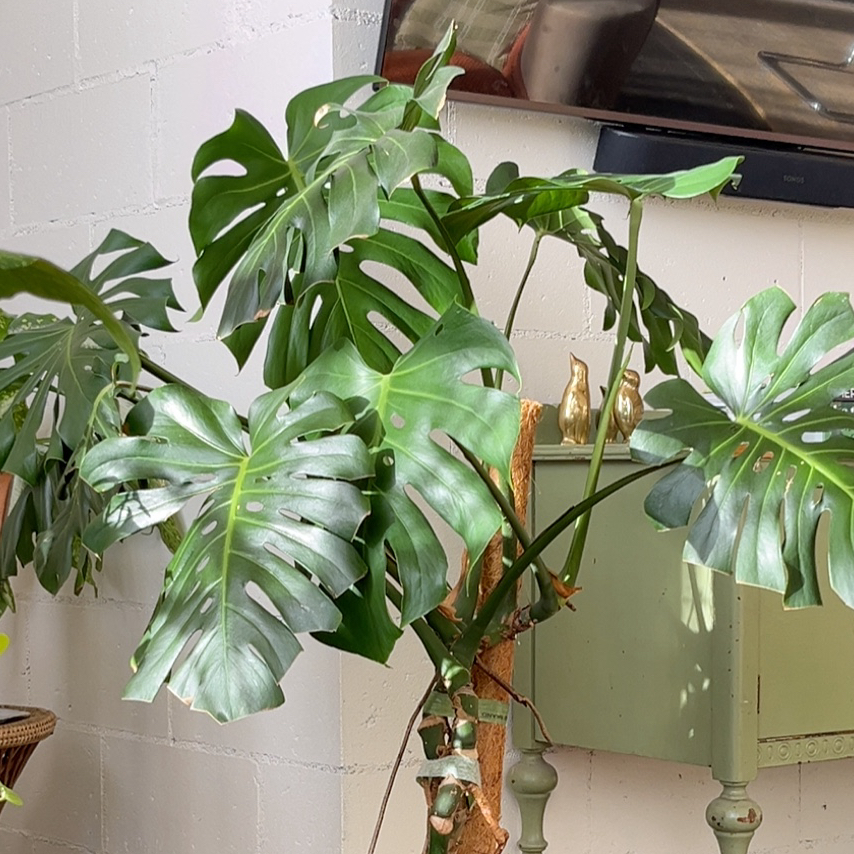
๐ง How Often Do I Need To Water My Monstera?
Monstera deliciosa
By the Greg Editorial Team
Dec 16, 2023•10 min read
This article was created with the help of AI so we can cover more plants for you. May contain errors. See one? Report it here.
Nurture a lush Monstera by decoding its watering needsโsay goodbye to over and underwatering woes! ๐ฟ๐ง
- Water when top inch of soil is dry; avoid soggy soil to prevent root rot.
- ๐ฑ Adjust for seasons: less in winter, more in summer, always check soil.
- Monitor leaves and soil moisture to gauge watering needs and plant health.
Understanding Monstera's Watering Needs
๐ง The Ideal Moisture Balance
Monsteras are like the Goldilocks of the plant world; they prefer their soil just rightโslightly damp, but never soggy. The top inch of soil should feel dry before you even think about reaching for that watering can.
โฐ Frequency Finesse
Overwatering is a no-go. It's a silent killer, lurking in the shadows of your watering routine. Underwatering, while less sinister, will have your Monstera gasping for hydration. Aim to water when the top 2-3 inches of soil are dryโtypically once a week, but always trust the soil over the schedule.
๐ฐ Watering Wisdom
Room-temperature water is your Monstera's best friend. Cold water can shock the roots, and nobody wants that. If you're using tap water, let it sit out overnight to bid farewell to chlorine and other chemicals that don't get along with your plant.
๐ Light and Water: The Dynamic Duo
Bright, indirect sunlight is the Robin to your watering Batman. It helps your Monstera use water efficiently and prevents it from sitting in moisture for too long, which can lead to the dreaded root rot.
๐ฐ Drainage: The Unsung Hero
Ensure your pot has excellent drainage. If water isn't draining properly, consider switching to a soil mix that's more like a well-structured freeway than a congested back alley.
๐ค The Personal Touch
Remember, your Monstera has a personality. It will communicate its needs. Pay attention, and you'll become fluent in the language of its leaves.
Watering Techniques for Monstera Plants
๐ง Top Watering
Top watering is straightforward and mimics natural rainfall. Simply pour water evenly across the soil until it drains out the bottom. Remember, avoid drenching the leaves to prevent fungal diseases.
๐ฆ Bottom Watering
For a more thorough soak, try bottom watering. Place your Monstera in a container of water and let the soil wick up moisture. This method ensures the roots get hydrated without leaving the topsoil too wet, which can invite pests.
๐ Soak and Dry Method
The soak and dry method is a bit of a balancing act. Water your plant thoroughly, then let the soil dry out partially before the next watering. This mimics the natural wet-dry cycle Monstera plants would experience in their native habitat.
๐ฑ Checking Soil Moisture
Before watering, do the finger test or use a moisture meter to check soil moisture. The top inch should be dry to the touch. If it's damp, hold off on watering.
๐ง Water Quality
Use room-temperature filtered water or let tap water sit overnight. This allows chlorine and other chemicals to evaporate, which could otherwise harm your Monstera's roots.
๐ฟ Pot Considerations
Ensure your pot has drainage holes. Terracotta pots are great for moisture control, while plastic pots retain moisture longer. Choose based on your Monstera's watering needs and your environmental conditions.
๐ง๏ธ Seasonal Adjustments
Watering needs change with the seasons. Reduce frequency in winter when growth slows down, and increase in summer during the active growing period. Always check the soil before watering, regardless of the season.
Signs of Overwatering and Underwatering
๐ฆ Overwatering: The Soggy Telltales
Yellowing leaves may be your Monstera's cry for less hydration. Overly generous watering can lead to a soggy soil party, and trust me, root rot is an uninvited guest you don't want crashing. If your Monstera's leaves are dropping like flies, you're probably drowning it in loveโliterally.
๐๏ธ Underwatering: The Dry Signals
On the flip side, brown, crispy edges are the hallmark of thirst. A wilted Monstera is a sad Monstera, and drooping leaves are its way of saying, "Hey, I could use a drink." Slow growth? It might be parched. Before you flood it, though, check if the soil is dry. Overcompensation can be just as bad.
๐คน The Balancing Act
Curling leaves can signal underwatering, but they're also drama queens about humidity. Before you turn your watering can into a monsoon, check the air. Too dry? Maybe it's time for a humidifier, not a downpour. And remember, a Monstera leaning more than the Tower of Pisa could mean it's time to quench its thirst.
๐ The Root of the Problem
Both over and underwatering can invite pests. These critters love a plant in distress. If you're seeing more bugs than a campsite, reassess your watering game. And if you're playing a guessing game with watering, you're doing it wrong. Get intimate with your Monstera's soilโit's the truth-teller in this relationship.
Monitoring Soil Moisture
Monitoring soil moisture is critical for the well-being of your Monstera.
๐ง The Finger Test
Stick a finger in the soil up to the first knuckle. If it's dry, it's time to water.
๐ Moisture Meters
For a more high-tech approach, use a moisture meter. It gives you the lowdown on what's happening at the root level.
๐ Visual Cues
Look for soil pulling away from the pot's edge. That's your plant crying out for a drink.
โ๏ธ Weight Method
Pick up the pot. A lighter pot often means dry soil.
๐ Consistency is Key
Keep your Monstera's soil consistently moist, but never soggy. Overdoing it invites the dreaded root rot.
๐ฑ Adjusting to Your Plant
Every Monstera is an individual. Observe and adjust your watering to its unique needs.
๐ฆ๏ธ Seasonal Shifts
Remember, your plant's thirst changes with the seasons. Water less in winter, more in summer.
๐๏ธ Soil Type Matters
The right soil mix can make all the difference. It should hold moisture without being waterlogged.
โ When in Doubt
If you're unsure, err on the side of underwatering. Monstera is more forgiving of drought than flood.
Adjusting Watering Frequency
Monstera plants are like your quirky friends who change their drink order depending on the season. Summer's heat means they're thirstier, so you'll want to water them more frequently. As the sun blazes, the soil dries out faster, and your Monstera will guzzle water like there's no tomorrow.
๐ Seasonal Shifts
When autumn rolls in, your plant's water needs dial back. It's not just the cooler temps; it's the whole plant metabolism slowing down. Think of it as your Monstera going into chill mode. You'll want to ease up on the watering can, giving the soil time to dry out between drinks.
๐ฟ Plant Response
Keep an eye on your Monstera's leaves. If they start throwing a fitโyellowing or droopingโit's time to rethink your watering game. Adjust accordingly, but don't get stuck in a rigid schedule. It's more about the vibe of the soil than the date on the calendar.
๐ช The Weight Test
Here's a pro tip: lift the pot. If it feels like you've just hoisted a small boulder, hold off on the water. A lightweight pot is your green light to hydrate. It's a workout and a care routine in one.
๐ฑ Tech to the Rescue
If you're the type who forgets to water your plants (or your own lunch), consider a reminder app. It's like having a little Monstera guardian angel in your pocket.
In Summary
Your Monstera's watering needs are as variable as the weather. Stay observant, be flexible, and rememberโoverwatering is the fast track to root rot city.
Common Watering Challenges for Monstera Plants
๐ง Overwatering: The Slippery Slope to Root Rot
Yellowing leaves and a musty smell from the soil scream overwatering. Your Monstera's not on a waterbed; it's drowning! Root rot sets in when you're too generous with the H2O, and the drainage is more clogged than city traffic. To fix this, prune the soggy roots and repot with fresh, well-draining soil. Remember, less is moreโlet the topsoil dry out between waterings.
๐๏ธ Underwatering: A Thirsty Monstera's Plea
Crispy leaves? Your Monstera's thirstier than a marathon runner. Underwatering can lead to a sad, shriveled plant. The fix? Get on a regular watering schedule, ensuring the top 2-3 inches of soil are moist, not bone-dry. Think of it as a steady coffee drip for your green buddy.
โ๏ธ The Balancing Act: Watering Just Right
Monsteras are like Goldilocks; they want their water "just right." Use room-temperature water and ensure your pot has drainage holes to avoid waterlogging. In winter, ease up on the watering. Your Monstera isn't hibernating, but it's definitely slowing down.
๐ Mold and Pests: Unwanted Guests
If you spot mold or gnats, it's time for an intervention. Overwatering can invite these party crashers. Cut back on the water, improve air circulation, and maybe invest in a dehumidifier. Your Monstera will thank you by not becoming a bug buffet.
๐ฆ Seasonal Shifts: Monstera's Changing Thirst
As seasons change, so does your Monstera's drinking habits. Summer means more water; winter means less. It's not being fickle; it's just responding to the sunlight and temperature dance. Keep an eye on the soil moisture and adjust accordingly. It's a tango with Mother Nature.
๐ฑ The Right Soil: Foundation Matters
Your Monstera's roots need the right homeโwell-draining soil. Think of it as a comfy bed with the right support. Too dense and your plant's roots are suffocating; too loose and water runs through like a sieve. Aim for the sweet spot, and you'll have a happy Monstera.
๐ Light: The Unsung Hero of Watering
Bright, indirect light helps your Monstera use water efficiently. Too little light, and you're setting the stage for a soggy disaster. Position your plant where it can bask in the glow without getting a sunburn. It's like finding the perfect spot at the beachโshade and sun in harmony.
Seasonal Considerations for Watering Monstera Plants
Monstera plants, like many others, experience seasonal shifts in their watering needs.
๐ธ Spring and Summer: The Growing Season
During the warmer months, Monsteras are in their element, pushing out new growth and soaking up the increased daylight. This is when your watering game needs to be on point. Consistency is key; you'll want to ensure the soil stays evenly moist but not soggy. Check the soil moisture every few daysโwhen the top inch feels dry, it's time for a drink.
โ๏ธ Fall and Winter: The Dormant Period
As the days shorten and temperatures drop, your Monstera slows down. It's not the time for growth spurts, so it'll need less water. Overwatering is a real risk here, leading to root rot and a sad, soggy plant. Ease up on the watering can, letting the soil dry out more between waterings. Think of it as your plant's hibernation mode; it's conserving energy and doesn't need as much fuel.
๐ฆ Humidity: The X-Factor
Monsteras are tropical souls; they crave humidity. When heaters kick in during the winter, the air turns drier, and your Monstera might start throwing a fit. Counter this by misting the leaves, using a humidifier, or placing a water tray nearby. Just don't let it sit in a puddle; we're not creating a swamp.
๐ Adjusting to Your Home Environment
Remember, every home is different. Your Monstera doesn't care about what the care tag says; it responds to your unique environment. Observe your plant and adjust accordingly. If it's by a sunny window or above a radiator, it might need more frequent watering, even in winter.
๐ The Bottom Line
There's no one-size-fits-all schedule. The best approach is to monitor and respond to your plant's needs, keeping in mind the seasonal changes that influence how much water your Monstera craves.
โ ๏ธ Safety First
This content is for general information and may contain errors, omissions, or outdated details. It is not medical, veterinary advice, or an endorsement of therapeutic claims.
Always consult a qualified healthcare professional before using any plant as food, medicine, or supplement.
Never eat any plant (or feed one to pets) without confirming its identity with at least two trusted sources.
If you suspect poisoning, call Poison Control (800) 222-1222, the Pet Poison Helpline (800) 213-6680, or your local emergency service immediately.
Spotted an error? Please report it here.