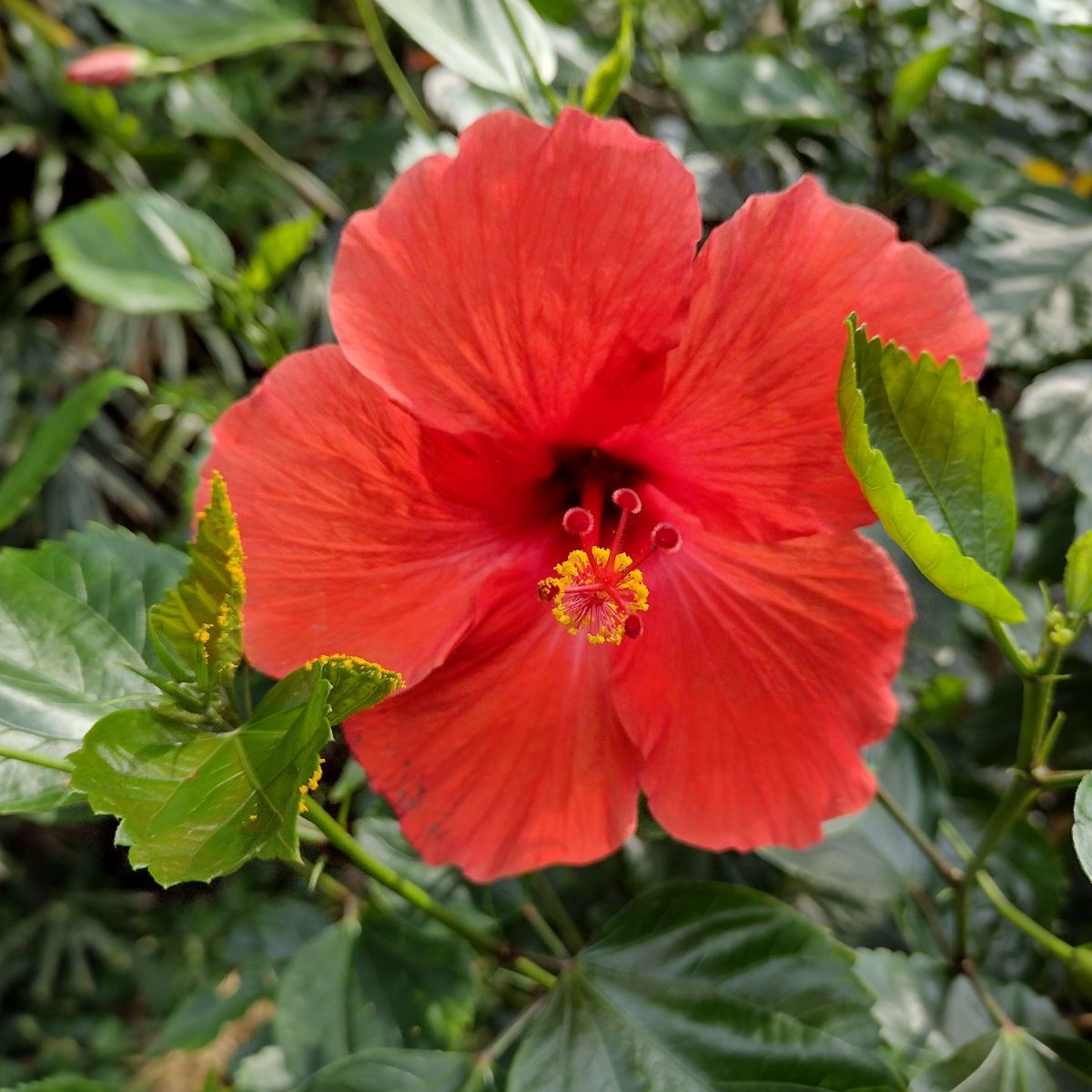
🌺 Top 5 Tips for Choosing Soil for Your Hawaiian Hibiscus

Hibiscus rosa-sinensis

By the Greg Editorial Team

Oct 10, 20245 min read

This article was created with the help of AI so we can cover more plants for you. May contain errors. See one? Report it here.

  1. 🌱 Healthy soil is crucial; check for mold, compaction, and drainage issues.
  2. πŸ”¬ Test pH and moisture regularly to ensure optimal conditions for hibiscus growth.
  3. 🏑 Homemade soil mixes are customizable, cost-effective, and enhance nutrient content.

Identifying Unhealthy Soil

Signs of Unhealthy Soil 🌱

Recognizing unhealthy soil is crucial for the well-being of your Hawaiian hibiscus. Common indicators include moldy soil, which appears as white or gray fungal growth on the surface, and compaction, where the soil becomes hard and dense, restricting root growth.

Poor drainage is another red flag; if you notice standing water after watering, your soil may not be draining properly. Additionally, watch for stunted growth or yellowing leaves, as these symptoms often signal underlying soil issues.

How to Test Soil Health πŸ”¬

Testing your soil health is easier than you might think. Start with a visual inspection to check for mold or signs of compaction.

Next, conduct soil moisture tests to assess excessive wetness. Finally, pH testing can help you determine the acidity levels, ensuring your hibiscus thrives in the right environment.

Solutions for Common Soil Problems πŸ› οΈ

If you encounter moldy soil, the best approach is to remove the affected soil and replace it with a fresh mix. Improving air circulation around the plant can also help prevent future mold growth.

For compacted soil, aerate it using a garden fork or an aeration tool. Incorporating organic matter can significantly improve soil texture, promoting healthier root development.

By identifying and addressing these soil issues, you can create a thriving environment for your Hawaiian hibiscus. Next, let’s explore how to create a homemade soil mix tailored to your plant's needs.

Creating a Homemade Soil Mix

πŸ₯¬ Ingredients for an Ideal Homemade Soil Mix

Creating the perfect soil mix for your Hawaiian hibiscus is essential for its health and vibrancy. Start with these recommended components:

  • 40% peat moss or coconut coir: These materials retain moisture, ensuring your plant stays hydrated.
  • 30% perlite or coarse sand: This promotes drainage, preventing water from pooling around the roots.
  • 30% compost or well-rotted manure: These provide essential nutrients that support growth.

πŸ› οΈ Step-by-Step Guide to Mixing Soil

Mixing your soil at home is straightforward. Follow these steps for a successful blend:

  1. Gather materials: Collect peat moss, perlite, and compost.
  2. Combine ingredients: In a large container, mix the ingredients in the specified ratios.
  3. Mix thoroughly: Ensure even distribution for consistent texture and nutrient availability.
  4. Test the final mix: Check for proper drainage and moisture retention to confirm it's ready for your hibiscus.

🌱 Benefits of Using Homemade Soil for Hawaiian Hibiscus

Opting for a homemade soil mix offers several advantages.

  • Customization: Tailor the mix to meet your plant's specific needs, enhancing growth potential.
  • Cost-effectiveness: Homemade mixes can save you money compared to commercial options.
  • Enhanced nutrient content: Organic materials boost nutrient levels, promoting healthier plants.

Creating your own soil mix not only empowers you as a gardener but also sets the stage for thriving Hawaiian hibiscus. Next, let’s explore soil amendments and enhancements to further improve your plant's environment.

Soil Amendments and Enhancements

Recommended Amendments for Improving Soil Quality 🌱

To boost the health of your Hawaiian hibiscus, consider adding organic amendments.

Types of Amendments:

  • Organic fertilizers: Fish emulsion and bone meal provide essential nutrients.
  • Soil conditioners: Compost and worm castings enhance soil structure and fertility.

Frequency of Application: Apply these amendments every 4-6 weeks during the growing season for optimal results.

How to Incorporate Organic Matter πŸ› οΈ

Incorporating organic matter into your soil is straightforward and effective.

Techniques for Mixing Amendments:

  • Top-dressing: Simply spread amendments on the soil surface.
  • Tilling: Mix them into the top 6-8 inches of soil for deeper integration.

Nutrient Requirements Specific to Hawaiian Hibiscus 🌺

Understanding the specific nutrient needs of your hibiscus is crucial for vibrant growth.

Key Nutrients for Optimal Growth:

  • Nitrogen: Essential for lush leaf development.
  • Phosphorus: Promotes abundant flowering.
  • Potassium: Supports overall plant health and resilience.

By focusing on these amendments and nutrients, you can create a thriving environment for your Hawaiian hibiscus. This foundation will set the stage for the next section on seasonal soil considerations, ensuring your plants flourish year-round.

Seasonal Soil Considerations

🌱 Adjusting Soil Care with Seasonal Changes

Spring is the perfect time to refresh your Hawaiian hibiscus soil. Start by adding new amendments to invigorate the mix and test the pH to ensure it's just right for your plants.

In summer, keep a close eye on moisture levels and drainage. This is crucial as the heat can quickly dry out the soil, affecting your hibiscus's health.

🌼 Preparing Soil for Growth Cycles

Seasonal adjustments are vital for optimal growth. Boost nutrient levels before blooming to ensure your hibiscus thrives during its flowering phase.

Also, adjust your watering practices based on temperature changes. Hotter days may require more frequent watering, while cooler days might call for less.

❄️ Winter Care for Soil Health

During the colder months, protecting your soil is essential. Mulching helps retain moisture and warmth, creating a cozy environment for your hibiscus roots.

Additionally, reduce watering frequency to prevent root rot. Overwatering in winter can be detrimental, so keep a watchful eye on your soil's moisture levels.

By adapting your soil care to the seasons, you’ll set your Hawaiian hibiscus up for success all year round. Next, let’s explore soil amendments and enhancements to further boost your plant's health.

⚠️ Safety First

This content is for general information and may contain errors, omissions, or outdated details. It is not medical, veterinary advice, or an endorsement of therapeutic claims.

Always consult a qualified healthcare professional before using any plant as food, medicine, or supplement.

Never eat any plant (or feed one to pets) without confirming its identity with at least two trusted sources.

If you suspect poisoning, call Poison Control (800) 222-1222, the Pet Poison Helpline (800) 213-6680, or your local emergency service immediately.

Spotted an error? Please report it here.

Nurture your Hawaiian hibiscus with healthy soil 🌺 by using Greg's tailored tips and reminders to ensure it gets the nutrients needed for stunning blooms all year round!