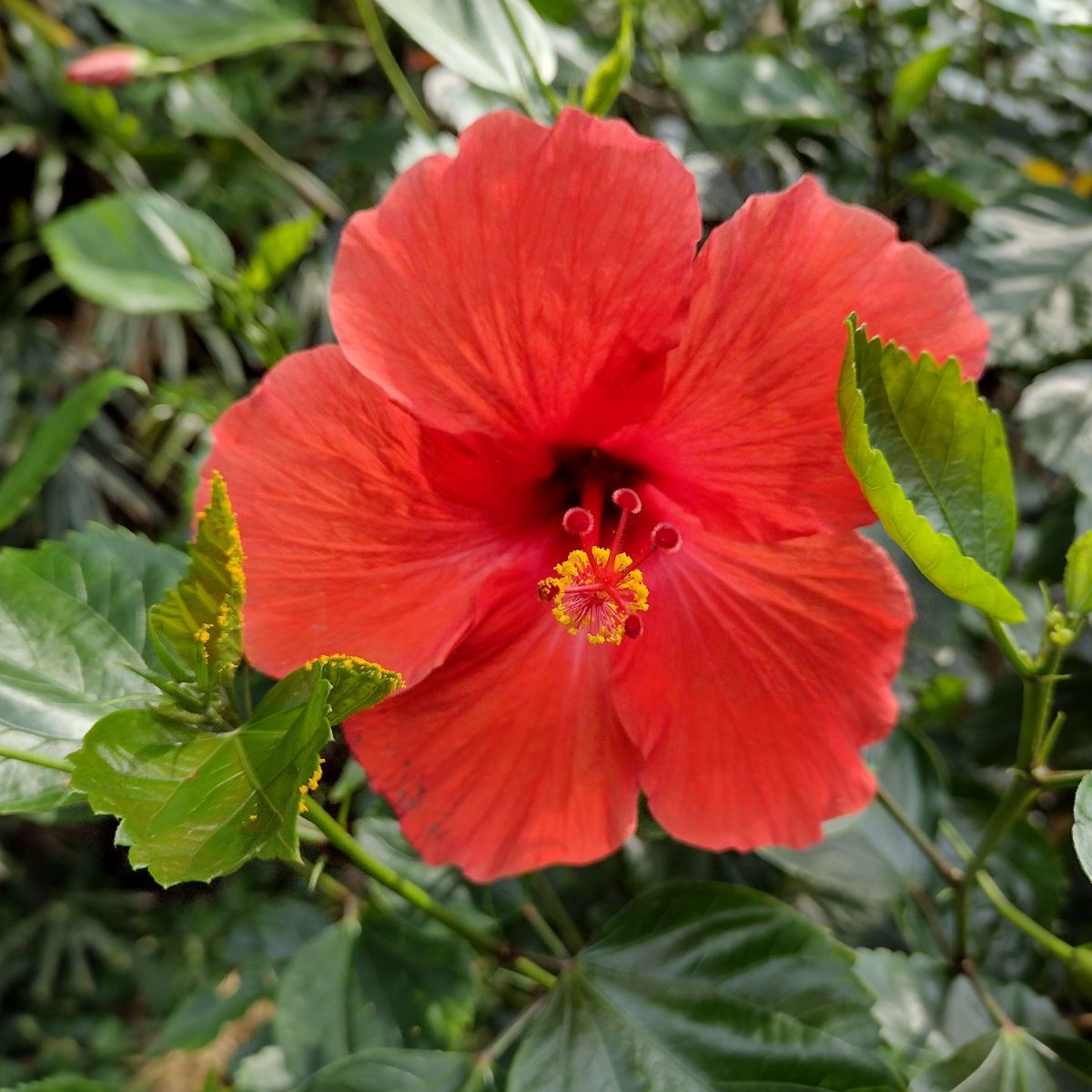
Best Fertilizer for Hawaiian Hibiscus 🌺

Hibiscus rosa-sinensis

By the Greg Editorial Team

Oct 10, 20245 min read

This article was created with the help of AI so we can cover more plants for you. May contain errors. See one? Report it here.

  1. 🌱 Choose between organic and synthetic fertilizers based on your gardening philosophy.
  2. 🌼 Fertilize in spring and summer for vibrant blooms; reduce in fall and winter.
  3. πŸ§ͺ Monitor soil and adjust nutrient ratios for optimal growth throughout the seasons.

Fertilizer Types

🌱 Organic vs. Synthetic

When it comes to fertilizing Hawaiian hibiscus, understanding the benefits of organic and synthetic fertilizers is crucial. Organic fertilizers, such as compost, fish emulsion, and seaweed extract, enrich the soil with natural nutrients and improve its structure. They promote healthy microbial activity, which is essential for long-term plant health.

On the other hand, synthetic fertilizers offer quick nutrient availability, making them a popular choice for immediate results. They are often more cost-effective and convenient, especially for busy gardeners. However, they can lead to nutrient imbalances if not used carefully.

In terms of effectiveness, both types can support Hawaiian hibiscus growth, but the choice often depends on your gardening philosophy. Organic options foster sustainable practices, while synthetic fertilizers can deliver rapid results when needed.

πŸ’§ Slow-Release vs. Liquid

Understanding the differences between slow-release and liquid fertilizers can enhance your hibiscus care. Slow-release fertilizers gradually release nutrients over a period of 3 to 6 months, providing a steady supply that aligns with the plant's growth cycle. This method reduces the risk of nutrient leaching and minimizes the need for frequent applications.

Conversely, liquid fertilizers offer immediate nutrient availability, making them ideal for quick boosts during the growing season. Typically, they should be applied every 2 to 4 weeks to maintain optimal growth.

For the best results, consider combining both types. Using slow-release fertilizers for a foundation and supplementing with liquid fertilizers during peak growth can create a balanced nutrient profile for your Hawaiian hibiscus. This approach ensures your plants receive the right nutrients at the right time, promoting vibrant blooms and lush foliage.

As you explore these fertilizer options, remember to tailor your choices to the specific needs of your hibiscus. This will set the stage for a flourishing garden that thrives throughout the seasons.

Fertilization Schedule

Best Times to Fertilize 🌱

Timing is everything when it comes to fertilizing your Hawaiian hibiscus.

Spring is the perfect time to kick off fertilization as growth resumes. This is when your plant starts to wake up from dormancy and needs that extra boost.

Summer marks the peak growing season. Regular feeding during these months ensures your hibiscus thrives and produces vibrant blooms.

As we transition into Fall, it's time to gradually reduce fertilization. The plant's growth slows, and it doesn't require as many nutrients.

During Winter, minimal to no fertilization is necessary. Your hibiscus is resting, so let it conserve energy.

Seasonal Adjustments πŸ‚

Adjusting nutrient ratios based on growth stages is crucial for optimal health.

In the spring and summer, your hibiscus may need higher nitrogen levels to support lush growth.

As the seasons change, monitor environmental factors like temperature and humidity. These elements can significantly impact your plant's nutrient needs.

By staying attuned to these changes, you can ensure your Hawaiian hibiscus receives the right care throughout the year.

Next, let’s explore the best application techniques to maximize your fertilization efforts.

Application Techniques

How to Apply Fertilizer Correctly 🌱

Applying fertilizer correctly is crucial for the health of your Hawaiian hibiscus. Here’s a step-by-step guide for both granular and liquid fertilizers.

Granular Fertilizers

  1. Measure the recommended amount based on package instructions. This ensures you provide just the right nutrients without overdoing it.
  2. Evenly distribute the fertilizer around the base of the plant. This helps the roots access the nutrients effectively.
  3. Water thoroughly to activate the nutrients. This step is vital for ensuring that the fertilizer penetrates the soil and reaches the roots.

Liquid Fertilizers

  1. Dilute according to label instructions. Proper dilution prevents nutrient burn and ensures even distribution.
  2. Apply directly to the soil, avoiding the foliage. This method minimizes the risk of leaf burn and maximizes nutrient absorption.
  3. Water lightly afterward to prevent root burn. A gentle watering helps integrate the nutrients into the soil.

Best Practices for Pot vs. Ground Application 🌍

Understanding the differences in nutrient absorption between potted and ground plants can enhance your fertilization strategy.

Nutrient Absorption Differences

  • Potted plants have limited soil volume, which can lead to quicker nutrient depletion. They often require more frequent fertilization.
  • Ground plants benefit from a larger soil volume, allowing for slower nutrient absorption. This means they can often go longer between applications.

Recommended Fertilizer Types

  • For potted hibiscus, consider using a balanced, slow-release fertilizer. This ensures a steady supply of nutrients over time.
  • For ground hibiscus, a combination of organic and synthetic fertilizers can work wonders, providing both immediate and long-term benefits.

Adjusting Application Frequency

  • Pot size matters! Smaller pots may need fertilizer every 2-4 weeks, while larger pots can stretch to every 4-6 weeks.
  • Soil type also influences frequency. Sandy soils drain quickly and may require more frequent applications, while clay soils retain nutrients longer.

By following these application techniques and best practices, you can ensure your Hawaiian hibiscus thrives beautifully. Next, let’s explore the signs of over-fertilization to keep your plants healthy and vibrant.

Signs of Over-Fertilization

Symptoms to Watch For 🌿

Over-fertilization can be detrimental to your Hawaiian hibiscus. One of the most noticeable symptoms is leaf burn, where the edges and tips of the leaves turn brown, signaling stress.

Another red flag is stunted growth. If your hibiscus isn't producing new leaves or blooms, it might be a sign that it's overwhelmed by nutrients.

Lastly, keep an eye out for yellowing leaves. This can indicate nutrient lockout due to excess salts, making it difficult for the plant to absorb what it needs.

How to Remedy Over-Fertilization πŸ› οΈ

If you suspect over-fertilization, immediate action is crucial. Start by flushing the soil with water to help leach out excess nutrients and salts.

For long-term health, consider adjusting your fertilization schedule and type. This ensures your plant receives the right balance of nutrients without the risk of overload.

Finally, don't underestimate the importance of soil testing. Regular checks can help you monitor nutrient levels, keeping your hibiscus thriving without the fear of over-fertilization.

By staying vigilant and proactive, you can ensure your Hawaiian hibiscus remains healthy and vibrant. Next, let’s explore the best practices for applying fertilizer correctly to maximize growth potential.

⚠️ Safety First

This content is for general information and may contain errors, omissions, or outdated details. It is not medical, veterinary advice, or an endorsement of therapeutic claims.

Always consult a qualified healthcare professional before using any plant as food, medicine, or supplement.

Never eat any plant (or feed one to pets) without confirming its identity with at least two trusted sources.

If you suspect poisoning, call Poison Control (800) 222-1222, the Pet Poison Helpline (800) 213-6680, or your local emergency service immediately.

Spotted an error? Please report it here.

Keep your Hawaiian hibiscus thriving year-round 🌺 with Greg's personalized fertilization reminders and expert tips tailored to your plant's needs!