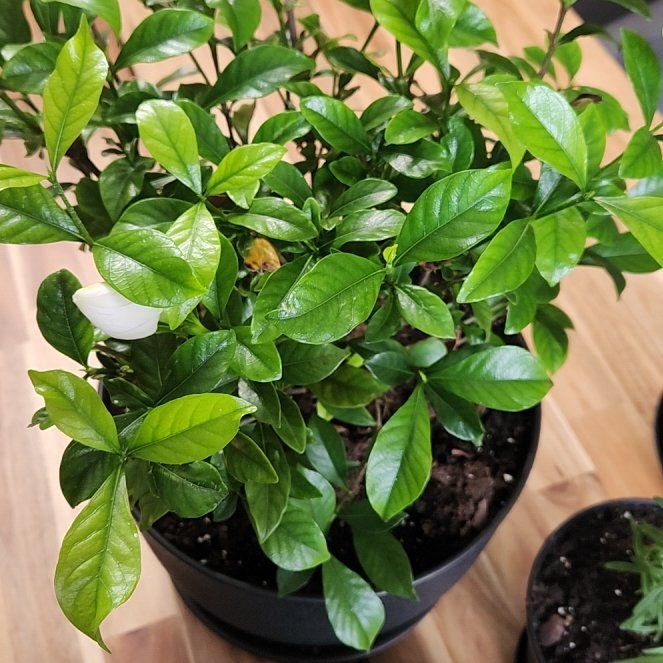
Best Soil for Gardenia augusta 'Florida'
What Soil Does Gardenia augusta 'Florida' Need?
Gardenia is native to subtropical and tropical regions of Asia and Africa, where it grows in moist, humus-rich, acidic forest soils. It needs consistently moist but well-draining soil with a strongly acidic pH. Both alkaline soil and waterlogged conditions cause rapid decline, making the soil choice one of the most critical aspects of growing gardenias successfully.
Gardenia is one of the most pH-sensitive plants you'll grow. Its roots rely on acidic soil chemistry to absorb iron, and when the pH drifts even slightly above 6.0, the leaves turn yellow from iron chlorosis before you've noticed anything else is wrong. This is not subtle. The plant essentially waves a yellow flag.
The ideal mix is rich in organic matter, moist-retentive, but still drains well enough that the roots never sit in standing water. Ericaceous potting mix is the best base because it's formulated at the right pH from the start. Peat moss or coconut coir adds moisture retention, and perlite ensures water can escape the container rather than pooling at the bottom.
For in-ground gardenias in zones 8a–11b, acidic, organic-rich soil is equally important. Avoid planting near concrete structures where lime leaches into the soil. Pine bark mulch over the root zone both acidifies the soil gradually and conserves the consistent moisture gardenias need. Hard, alkaline tap water used over months will raise soil pH even in an ideal mix, which is one reason gardenias can be tricky in areas with hard water. Using rainwater or filtered water makes a real difference.
What Soil Mix Should I Use for My Gardenia?

What pH Does My Gardenia Need?
Gardenia requires a strongly acidic pH of 5.0–6.0. This is well below neutral and even below what most tropical houseplants prefer. Within this range, iron and manganese stay in a form the roots can absorb. Check your mix pH with a soil meter or test strips before potting up, and test every 6 months. Hard tap water used repeatedly will push the pH upward over time, often without the grower realizing it.
When pH climbs above 6.5, iron chlorosis develops quickly. You'll see the classic pattern: leaves turning bright yellow while the veins stay dark green, appearing first on the youngest leaves. This is one of the most reliable symptoms in horticulture and is almost always a soil pH problem in gardenias. Correcting it means lowering pH with sulfur or an acidifying fertilizer and switching to softer water. Below 5.0, the soil becomes too acidic and root function suffers, causing stunted growth and eventually browning leaves.
When Should I Replace My Gardenia's Soil?
Repot gardenias every 1–2 years in late winter or early spring, before new growth begins. The peat-based ericaceous mix breaks down over time, losing its acidic structure and compacting. When drainage slows and the mix no longer dries out within a reasonable period between waterings, it's time to repot.
When repotting, use fresh ericaceous mix entirely. Don't blend leftover standard potting soil into the new mix, as this raises the pH of the whole batch. After repotting, water thoroughly with rainwater or distilled water rather than hard tap water to keep the pH stable.
How Do I Prepare Garden Soil for a Gardenia?
Gardenias are particular about their soil. They need acidic ground, ideally between pH 5.0 and 6.0, with consistent moisture and excellent drainage. Without that acidity, the leaves turn yellow and the plant sulks no matter how much you water.
Amend clay soil with compost, pine bark fines, and sulfur to lower the pH and improve drainage at the same time. Sandy soil needs compost, peat moss, and pine bark to hold moisture and keep the acidity where it belongs. Work amendments into a wide area rather than just the planting hole, since gardenia roots spread outward looking for that rich, acidic soil.
Got More Questions?
About This Article
