What Temperature Should My French Lavender Be Kept At? 🌡
Lavandula stoechas
By the Greg Editorial Team
Jun 15, 2024•6 min read
This article was created with the help of AI so we can cover more plants for you. May contain errors. See one? Report it here.
- Ideal range 60-85°F, below 40°F or above 95°F harms French Lavender.
- Seasonal care adjustments necessary, like mulching in cold, shading in heat.
- Humidity 20-35% with good air circulation and well-drained soil is optimal.
Optimal Temperature for French Lavender
French Lavender, a Mediterranean native, flourishes in a sweet spot of 60 to 85 degrees Fahrenheit. Stray outside this range, and you're gambling with its vibrancy and bloom potential.
Below 40 degrees Fahrenheit, and you're in the danger zone—think plant hypothermia. The plant's growth stalls, and its flowers might as well write a will. On the flip side, extreme heat waves over 95°F (35°C) can turn your lavender into a wilted salad. It's a tough love scenario; too much or too little, and you'll see the consequences.
🌡️ Temperature Tolerance
French Lavender isn't a fan of the cold. Unlike its cousin, the English Lavender, which can shrug off a frosty morning, French Lavender is more of a sun worshipper. Zone 8-9 gardeners can breathe easy, but if Jack Frost comes knocking, you better have some protection strategies up your sleeve.
🌋 Heat Waves and High Temperatures
When the mercury climbs, French Lavender can handle the heat to an extent. But let's be real, a scorching heatwave is no spa treatment for any plant. If it's baking outside, your lavender might need a drink. Just remember, it's like a camel—too much water, and you'll drown it.
The Balancing Act
Keeping your French Lavender in the optimal temperature range is a bit like walking a tightrope. Lean too much one way or the other, and it's a free fall. But get it right, and you'll be rewarded with a plant that's as resilient as it is aromatic.

Recognizing and Addressing Temperature Stress in French Lavender
🌡️ Identifying Symptoms of Temperature Stress
Wilting leaves may signal your French Lavender is too hot, mimicking the look of underwatering. In contrast, if you spot dark, mushy areas or a lopsided plant, brace yourself for cold stress. These are your plant's cries for help, indicating it's time to take action.
🌞 Mitigating Heat Stress
When the sun's relentless, shade cloth is your friend. It's like sunscreen for your plants, protecting them from sunburn. And don't forget to water – but only when the soil is dry. Overwatering is the fast track to root rot, and nobody wants that.
❄️ Protecting from Cold
Mulch is like a cozy blanket for your plant's roots, shielding them from the cold. Opt for mineral mulch like pebbles for better drainage. And remember, French Lavender's roots might play it cool in brief chills, but sustained freezes? That's a hard no.
🌡️ Preventing Temperature Fluctuations
Keep your lavender away from air vents and drafts. It's not a fan of sudden temperature changes. And if you're potting, choose containers that insulate well to buffer against temperature swings. It's all about creating a stable environment for your green buddy.
🚑 Quick Fixes
Caught in a heatwave? Water your potted lavender to cool it down. Facing an unexpected frost? Cover your plants with frost cloth or move pots to a sheltered area. Sometimes, quick thinking can save your lavender from a temperature tantrum.
Remember, your French Lavender isn't just a plant; it's a living barometer, sensitive to the whims of the weather. Keep an eye out for stress signals and be ready to act. Your lavender will thank you with vibrant blooms and that signature, soothing scent.
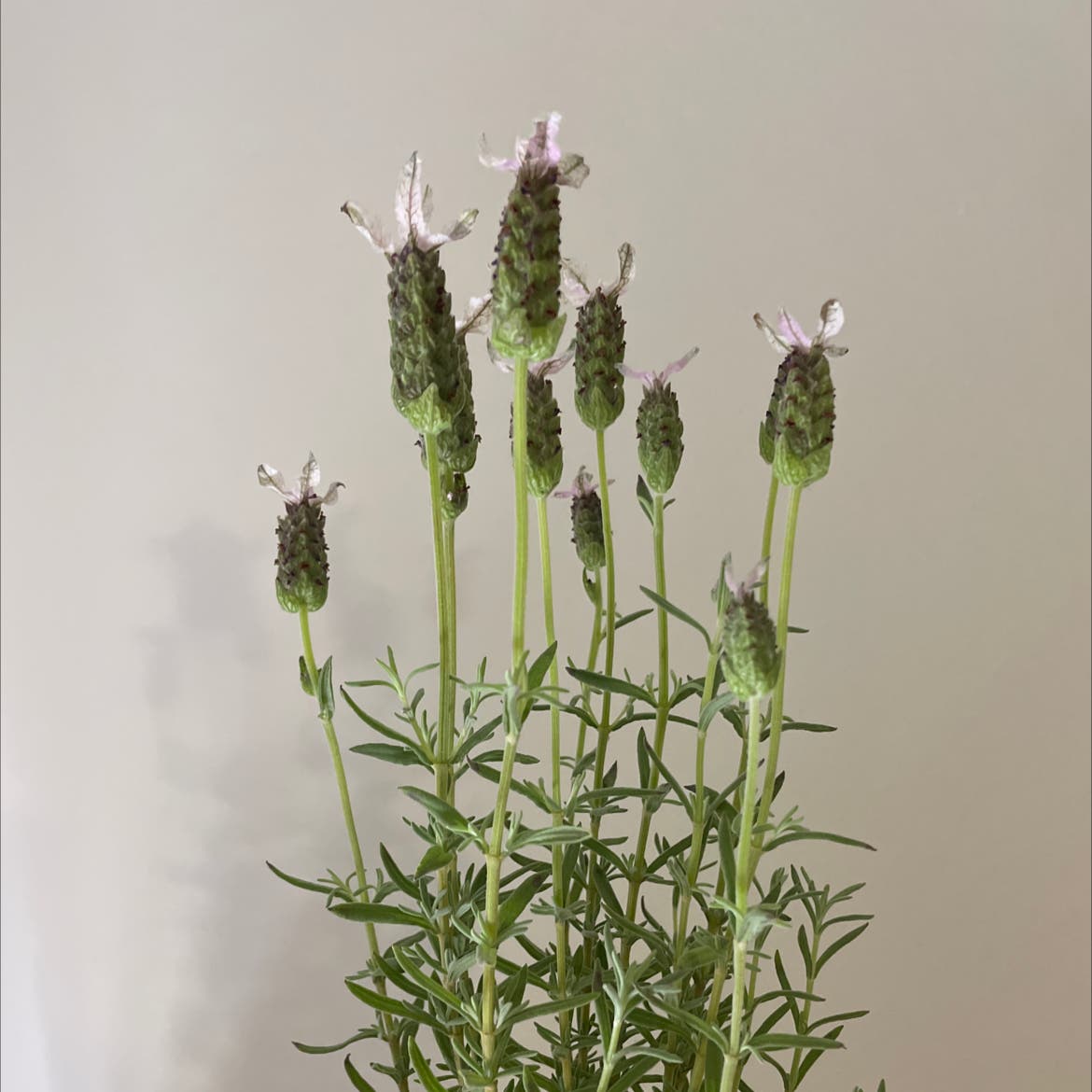
Seasonal Temperature Adjustments for French Lavender
Navigating the whims of Mother Nature, French Lavender requires some finesse when the seasons throw curveballs.
❄️ Colder Months
When winter whispers its chilly breath, French Lavender needs a cozy blanket. Below 40°F spells trouble, so if Jack Frost is nipping, it's time to act. Mulch is your friend here; pile it on after the first freeze to insulate without suffocating your plant's roots. If you're in a particularly frosty area, consider moving potted plants to a sheltered spot or indoors to a sunny window. Remember, this isn't English Lavender that scoffs at a little frost—French Lavender is more of a sun-loving diva.
☀️ Warmer Months
As the mercury climbs, French Lavender basks in the glory. It's a sun worshipper, thriving in 60-85°F. But don't let it swelter; during heatwaves, ensure it's not drying out. Water judiciously—lavender's no fan of soggy feet. If you're in a scorching zone, afternoon shade won't be snubbed. And while French Lavender can handle the heat better than a gossip in a small town, it's not invincible. Keep an eye out for wilting or sunburn.
🌍 Year-Round Vigilance
Consistency is key. Avoid drastic changes; they're as welcome as a bull in a china shop. Gradually acclimate your lavender to seasonal shifts. If you're moving it indoors or out, do it over several days. And remember, the sun's position changes, so that perfect summer spot might be a winter shadow trap. Adjust as needed to keep those 6-8 hours of sunlight shining on your lavender.
💡 Pro Tip
Keep a weather eye on the forecast. If frost or a heatwave is on the horizon, take preemptive action. Your lavender will thank you with vibrant blooms and a scent that's the envy of the plant kingdom.

Humidity Considerations for French Lavender
Humidity is the silent partner to temperature in the dance of French Lavender care. While these Mediterranean natives bask in the sun, they recoil at high humidity levels. 20-35% is their comfort zone; anything more, and you're in the danger zone of root rot.
💦 Humidity's Impact
High humidity is like that uninvited guest at a garden party—it can lead to a host of problems. Root rot is the main concern, but fungal diseases also love to crash the lavender bash. Keep the air moving; a stagnant, moist environment is about as welcome as socks in sandals.
🌬 Keeping Humidity in Check
If you're cursed with a damp climate, it's time to get crafty. Dehumidifiers or fans can help indoors, while strategic planting ensures good air circulation outdoors. And let's not forget the soil—well-drained is the way to go. Think of it as the bedrock of lavender's low-humidity love affair.
💧 Watering Wisdom
Overwatering is the fast track to humidity hell. Water your French Lavender like you're texting an ex—sparingly and with plenty of time in between. And always in the morning; evening watering is a humidity hike waiting to happen.
🌿 Lavender's Humidity Allies
Some lavender varieties have built up a tolerance to humidity like a Brit to rain. 'Phenomenal' is one such cultivar, a botanical bouncer against mugginess. Keep an eye on those plant catalogs; they're like Tinder for finding the right humidity-tolerant match for your garden.
⚠️ Safety First
This content is for general information and may contain errors, omissions, or outdated details. It is not medical, veterinary advice, or an endorsement of therapeutic claims.
Always consult a qualified healthcare professional before using any plant as food, medicine, or supplement.
Never eat any plant (or feed one to pets) without confirming its identity with at least two trusted sources.
If you suspect poisoning, call Poison Control (800) 222-1222, the Pet Poison Helpline (800) 213-6680, or your local emergency service immediately.
Spotted an error? Please report it here.
Ensure your French Lavender thrives 🌡️ with Greg's custom alerts for temperature and humidity adjustments, keeping your blooms safe from extreme weather shifts.
