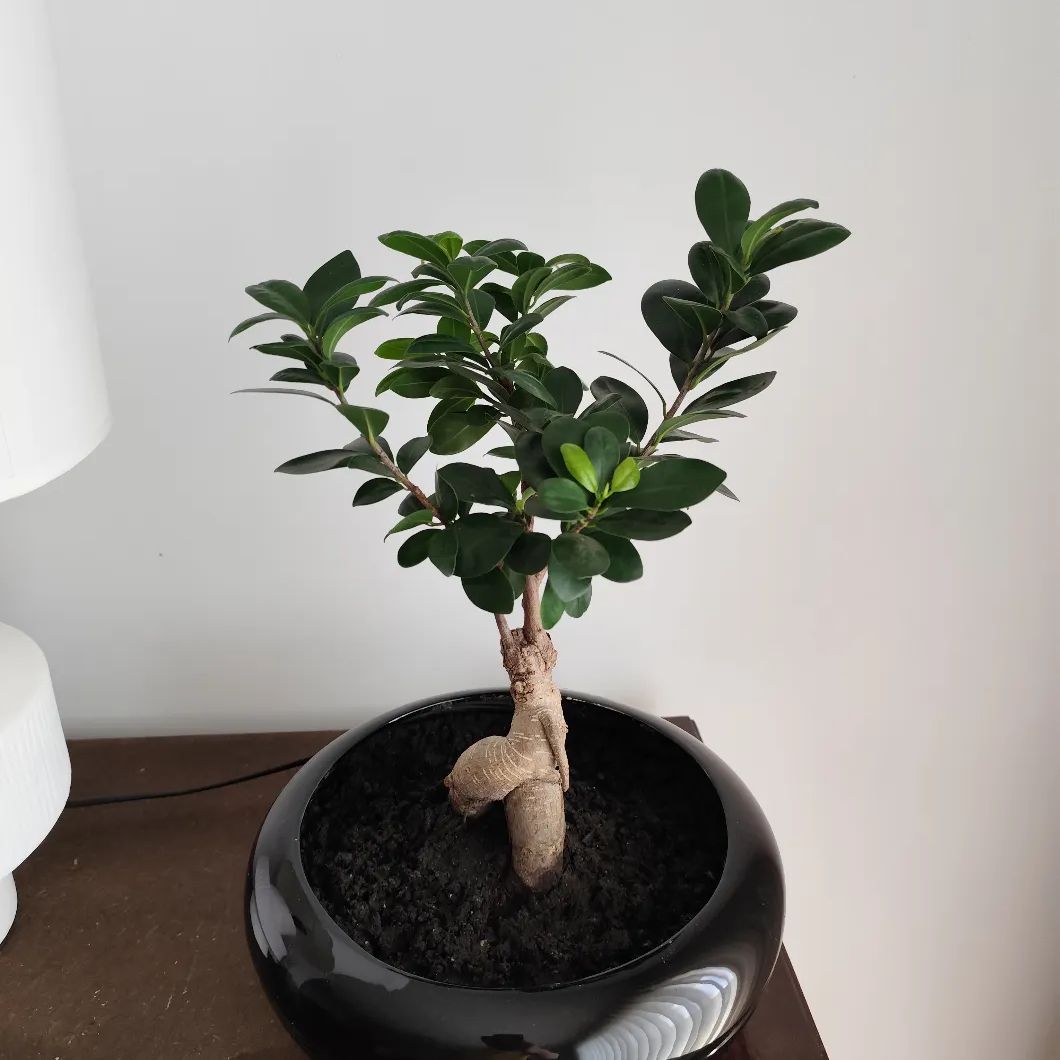
Best Soil for Ficus Ginseng
What Soil Does a Ficus Ginseng Need?
Ficus microcarpa is native to tropical and subtropical Asia, where it grows in well-draining rocky and forest soils. Its distinctive bulbous aerial roots are adapted to move air and water efficiently. As a bonsai-style container plant, it needs a fast-draining mix that prevents soggy conditions around its dense, branching root system.
Ficus Ginseng is commonly sold as an indoor bonsai, and the soil requirements reflect that presentation. Its roots are dense, fibrous, and efficient, they don't like sitting in wet conditions, but the plant also needs enough organic matter to support active growth and the impressive branching structure it's known for. Standard heavy potting mix compacts too easily and holds moisture longer than is ideal.
A quality bonsai soil mix, which typically combines akadama, pumice, and lava rock, is the gold standard for serious bonsai growers. It drains quickly, provides excellent aeration, and is designed specifically for the contained root environment of bonsai pots. However, a simpler approach that works well for most home growers is a quality potting mix blended with perlite and coarse sand to improve drainage without sacrificing all the organic matter.
Avoid cheap potting soils with a lot of peat, which compact quickly and hold water unevenly. The goal is a mix that drains fast after watering and is clearly dry an inch or two down before the next watering. In the decorative bonsai pots this plant is typically sold in, good drainage is especially important since the pots are often quite shallow.
What Soil Mix Should I Use for My Ficus Ginseng?

What pH Does My Ficus Ginseng Need?
Ficus Ginseng grows best in slightly acidic soil with a pH of 6.0–6.5. This range supports the uptake of all major nutrients and trace minerals. You can check your bonsai soil's pH with a standard soil pH meter or test strips, moistening the soil first before inserting the probe.
Like other ficus varieties, Ficus Ginseng shows signs of nutrient stress when pH drifts too high, yellowing leaves with green veins (interveinal chlorosis) often indicate iron is locked out in alkaline conditions. Extremely acidic soil below 5.5 can inhibit root function. Most bonsai soils and quality potting mixes are buffered to fall within the safe range, making active pH management unnecessary for most growers.
When Should I Replace My Ficus Ginseng's Soil?
Ficus Ginseng benefits from repotting every 2–3 years, though the timing depends on how fast the roots fill the container. A typical sign it's time is when you see roots tightly coiling the pot interior or pushing up through the surface. Repotting also gives you a chance to prune back some of the older roots, which is standard bonsai practice and encourages denser, more compact growth.
Spring, when the plant is starting its active growth phase, is the best time to repot. Trim back about one-third of the root mass, replace with fresh bonsai or gritty potting mix, and keep the plant out of strong direct sun for a couple of weeks while it recovers. This cycle keeps the soil structure fresh and the root system productive.
How Do I Amend Garden Soil for a Ficus Ginseng?
If you are planting a Ficus Ginseng outdoors in a warm climate, its thick aerial roots and broad canopy need well-drained, moderately fertile soil. This species is a vigorous grower once established in the ground.
Amend heavy clay with compost, bark, and coarse sand so water does not pool around the root base. Sandy soil benefits from added compost and organic matter to hold nutrients and support the tree's growth. Choose a spot with enough space for the canopy to spread and where the distinctive exposed roots can develop naturally.
Got More Questions?
About This Article
