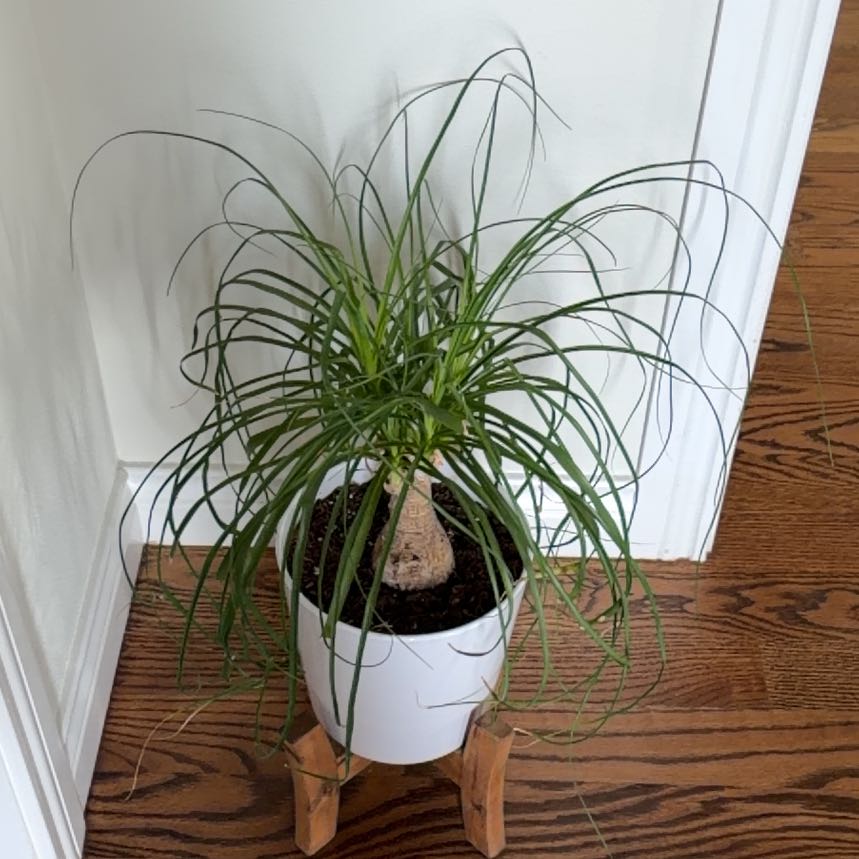
π Step-by-Step Guide to Fertilizing Your Elephant Foot Plant
Beaucarnea recurvata
By the Greg Editorial Team
Oct 12, 2024•5 min read
This article was created with the help of AI so we can cover more plants for you. May contain errors. See one? Report it here.
Transform your Elephant Foot Plant π± into a lush beauty with expert tips on choosing and applying fertilizers!
- π± Choose the right fertilizer for optimal growth of your Elephant Foot Plant.
- π§ Water before fertilizing to prevent root burn and enhance nutrient absorption.
- π Fertilize in spring and summer; adjust frequency based on plant needs.
Types of Fertilizers
Suitable Fertilizers π±
When it comes to fertilizing your Elephant Foot Plant, choosing the right type of fertilizer is crucial for its health and growth. Here are some excellent options to consider.
Organic Options
Compost: This nutrient-rich option not only feeds your plant but also improves soil structure. Itβs a fantastic way to recycle kitchen scraps and garden waste while giving your plant a natural boost.
Well-rotted Manure: This slow-release nutrient source is perfect for steady growth. It enriches the soil over time, ensuring your plant gets what it needs without the risk of over-fertilization.
Liquid Options
For a quick nutrient boost, liquid fertilizers are your go-to. Look for balanced NPK ratios, such as 10-10-10, which provide an equal mix of nitrogen, phosphorus, and potassium. This balance supports overall plant health and promotes vibrant growth.
Slow-Release Options β³
Granular slow-release fertilizers are another excellent choice. They gradually release nutrients over time, reducing the need for frequent applications. Follow the product instructions for application rates to ensure your Elephant Foot Plant thrives without the risk of nutrient overload.
By selecting the right fertilizer, you set the stage for a healthy, flourishing Elephant Foot Plant. Next, letβs explore how to apply these fertilizers effectively for the best results.
How to Apply Fertilizer Effectively
Applying fertilizer correctly is crucial for the health of your Elephant Foot Plant. Follow these simple steps to ensure your plant gets the nutrients it needs without any mishaps.
Step-by-Step Application Process π±
Water the Plant: Start by thoroughly watering your plant. This helps prevent root burn when you apply the fertilizer.
Measure Fertilizer: Check the product instructions and measure the appropriate amount of fertilizer. Precision is key for optimal results.
Distribute Evenly: Sprinkle the fertilizer evenly around the base of the plant. Be careful to avoid direct contact with the stem to prevent damage.
Mix into Soil: Gently mix the fertilizer into the top layer of soil. This helps integrate the nutrients effectively.
Water Again: Finally, water the plant again. This step dissolves the fertilizer and promotes nutrient absorption.
Best Practices for Application π‘οΈ
Using fertilizers safely is just as important as applying them correctly. Here are some best practices to keep in mind:
Protect Yourself: Always wear gloves and a mask when handling fertilizers. This protects your skin and lungs from potential irritants.
Mind the Temperature: Avoid fertilizing during extreme temperatures, whether hot or cold. This ensures your plant can absorb nutrients without stress.
Following these guidelines will help you fertilize your Elephant Foot Plant effectively, promoting healthy growth and vibrant foliage. Next, letβs explore the best timing and frequency for fertilization to maximize your plantβs health.
Timing and Frequency of Fertilization
Best Time of Year π±
Timing is crucial when it comes to fertilizing your Elephant Foot Plant.
- Spring: This is the time to kick off fertilization as new growth starts to emerge.
- Summer: Keep the nutrients flowing to support the plant's active growth phase.
- Fall: Gradually cut back on fertilization as growth begins to slow down.
It's important to avoid fertilizing during winter dormancy, as the plant isnβt actively growing and wonβt benefit from the extra nutrients.
Monthly vs. Seasonal Schedule π
When it comes to scheduling, you have two main options: monthly or seasonal.
Monthly Schedule: This is ideal during active growth periods. Adjust based on how your plant responds to the nutrients.
Seasonal Schedule: Focus on spring and summer for higher nutrient needs, while fall and winter should see minimal to no fertilization.
By tailoring your approach, you can ensure your Elephant Foot Plant thrives throughout the year.
Understanding the right timing and frequency will set you up for success, allowing your plant to flourish. Next, letβs explore how to apply fertilizer effectively for the best results.
Avoiding Over-Fertilization
Symptoms of Over-Fertilization π±
Over-fertilization can be detrimental to your Elephant Foot Plant. Watch for these common signs:
- Leaf burn: Look for brown tips and edges on the leaves, indicating nutrient overload.
- Wilting: If your plant wilts despite regular watering, it may be suffering from excess fertilizer.
- Stunted growth: A lack of new growth or leaf drop can signal that your plant is overwhelmed.
Recognizing these symptoms early can help you take corrective action before serious damage occurs.
How to Flush Out Excess Fertilizer πΏ
If you suspect over-fertilization, flushing the soil can help restore balance. Follow these steps:
- Water thoroughly: Use plain water to saturate the soil, ensuring it reaches the root zone.
- Drain completely: Allow the excess water to drain out, which will help remove accumulated salts.
- Repeat if necessary: If symptoms persist, repeat the flushing process several times.
This method can help your plant recover and thrive again.
By being vigilant and proactive, you can maintain the health of your Elephant Foot Plant and avoid the pitfalls of over-fertilization. Next, letβs explore common mistakes and solutions to ensure your plant gets the care it deserves.
Common Mistakes and Solutions
Misconceptions About Frequency π±
Many plant owners believe that more fertilizer leads to better growth. This is a myth; over-fertilizing can actually harm your Elephant Foot Plant.
It's crucial to follow a balanced fertilization schedule. Too much of a good thing can lead to nutrient imbalances and stress for your plant.
How to Correct Nutrient Deficiencies π₯¦
Identifying nutrient deficiencies is key to maintaining a healthy plant. For instance, yellow leaves often indicate a nitrogen deficiency.
If your plant is flowering poorly, it might be lacking phosphorus. Adjusting your fertilizer type and application rates can help correct these issues effectively.
By staying attentive to your plant's needs, you can ensure it thrives. Now, letβs explore how to avoid over-fertilization and its symptoms.
β οΈ Safety First
This content is for general information and may contain errors, omissions, or outdated details. It is not medical, veterinary advice, or an endorsement of therapeutic claims.
Always consult a qualified healthcare professional before using any plant as food, medicine, or supplement.
Never eat any plant (or feed one to pets) without confirming its identity with at least two trusted sources.
If you suspect poisoning, call Poison Control (800) 222-1222, the Pet Poison Helpline (800) 213-6680, or your local emergency service immediately.
Spotted an error? Please report it here.