🦟 Why Are My Citronella Grass Leaves Mushy?
Cymbopogon nardus
By the Greg Editorial Team
Mar 01, 2024•5 min read
This article was created with the help of AI so we can cover more plants for you. May contain errors. See one? Report it here.
- 🚿 Overwatering leads to mushy leaves, resembling a wet paper towel.
- 🌱 Improve soil drainage with perlite, sand, or well-draining pots.
- 🍃 Ventilation and monitoring help prevent fungal damage.
Spotting the Signs of Trouble
🟡 Yellowing Leaves: A Warning Signal
Yellow leaves are the plant's SOS. Discoloration often points to distress, whether it's overwatering, poor drainage, or nutrient deficiency. If your Citronella Grass is more yellow than green, it's time to take action.
🍲 Mushy Leaves: The Texture Test
Leaves should snap back, not squish. If your Citronella Grass has the texture of a soggy sponge, it's a clear sign of overwatering. Firm is good; mushy is trouble.
💧 Soil Dampness: Assessing Moisture Levels
Soil should feel like a wrung-out sponge, not a swamp. Excess moisture can lead to a host of problems, including root rot. If the soil clings to your fingers with the enthusiasm of a wet handshake, it's too damp.
The Root of the Problem: Causes of Mushiness
💦 Drowning in Water: The Perils of Overwatering
Overwatering is the equivalent of giving your plants an unwanted swim. Citronella Grass can't hold its breath indefinitely; too much water leads to a sad, mushy state. Look for leaves that resemble a wet paper towel, and you've found the hallmark of overindulgence.
🚰 When the Water Won't Leave: Complications from Poor Drainage
Poor drainage is a silent killer. It's the plant's version of standing in a puddle with no shoes. If the water in the pot is more persistent than a telemarketer, it's time to rethink your setup. Roots suffocate without proper drainage, leading to the dreaded mush.
👾 Invaders in the Grass: Recognizing Fungal Foes
Fungi are the uninvited guests at the party, thriving in the damp and leaving destruction in their wake. Brown spots or a general look of defeat on your plant are red flags. To fend off these foes, airflow and moisture control are your best defense.
Turning the Tide: Solutions for Soggy Situations
💧 Fine-Tuning Your Watering Ways
Balance is key when it comes to watering your Citronella Grass. The soil should feel like a well-wrung sponge—moist but not drenched. To achieve this, forget the calendar; your plant doesn't care what day it is. Use the finger test or invest in a soil moisture meter to gauge when it's time for a drink. Water thoroughly until it runs out of the drainage holes, then let the soil dry out slightly before the next watering.
🌊 The Right Amount: Balancing Soil Moisture
Too much love in the form of water can suffocate your plant's roots. Aim for soil that's damp to the touch an inch down, not a soggy mess that clings to your fingers. If the pot feels heavier than it should, hold off on the H2O.
🕰 Timing is Everything: Best Practices for Watering Intervals
Your Citronella Grass's thirst varies with the seasons. It's likely to drink less in the cooler months, so adjust your watering accordingly. A consistent, responsive approach beats a rigid schedule every time.
🚰 Engineering an Escape: Enhancing Soil Drainage
Proper drainage is non-negotiable. Your plant's roots need to breathe, not swim.
🌱 Soil Amendments for Better Flow
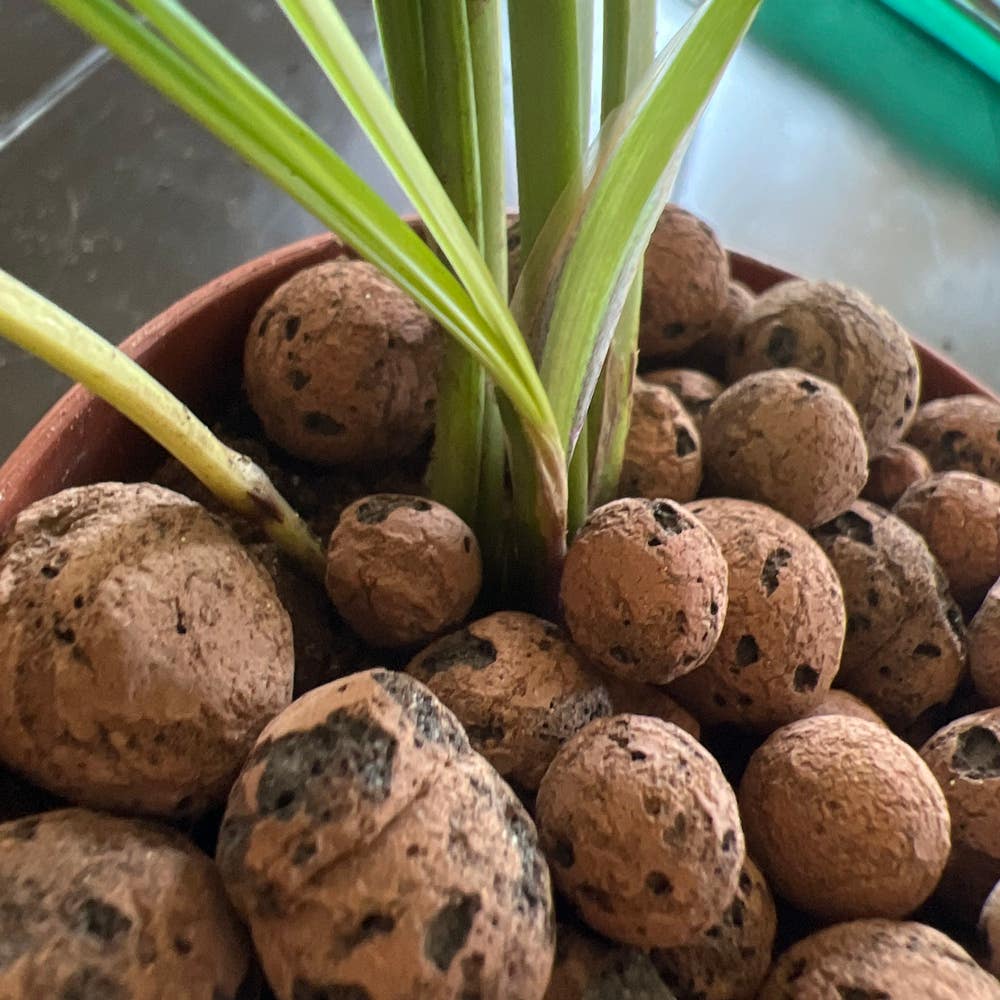
Mix in perlite or sand to create a well-draining haven for your Citronella Grass. These amendments increase the soil's porosity, allowing water to flow through more easily and preventing waterlogged conditions.
🏺 Choosing the Right Container for Drainage Success
The pot matters as much as the soil. Make sure yours has adequate drainage holes. Terracotta pots are great for their moisture-wicking properties, and always opt for a size that's just right—not too big, not too small. A snug fit means less soil to stay wet and more chance for your plant to thrive.
Fending Off Fungus: Disease Prevention and Treatment
💨 Keeping it Airy: The Role of Ventilation in Disease Prevention
Ventilation is your first line of defense against the fungal invasion. Crank up that airflow to give your Citronella Grass the personal space it craves. Think of it as the plant's immune booster; good circulation can prevent a whole host of fungal issues. Don't let your green buddy suffocate in stale air—keep it breezy.
⚔️ Allies in the Fight: Fungicides and Natural Remedies
When it comes to fungicides, precision and restraint are your watchwords. Start with the gentler stuff—neem oil and biological options are like sending in the peace corps before the cavalry. They're less harsh on the environment and your plant. If you're dealing with a full-blown fungal fiesta, though, you might need to break out the big guns. Copper-based fungicides can be effective, but use them like a sniper—carefully and only when necessary. Remember, the label is your bible here; follow it to the letter.
For those who prefer the natural route, concoctions like baking soda and soap sprays can be surprisingly effective. These are the plant care equivalent of home remedies—sometimes all you need is a little TLC and some pantry staples. But keep an eye on your plant's reaction; just like people, every plant responds differently to treatment.
In the end, prevention beats cure every time. Keep your Citronella Grass happy with plenty of space, a watchful eye, and an occasional breeze, and you'll likely avoid the worst of the fungal drama.
⚠️ Safety First
This content is for general information and may contain errors, omissions, or outdated details. It is not medical, veterinary advice, or an endorsement of therapeutic claims.
Always consult a qualified healthcare professional before using any plant as food, medicine, or supplement.
Never eat any plant (or feed one to pets) without confirming its identity with at least two trusted sources.
If you suspect poisoning, call Poison Control (800) 222-1222, the Pet Poison Helpline (800) 213-6680, or your local emergency service immediately.
Spotted an error? Please report it here.
Keep your Citronella Grass crisp and perky 🌿 by using Greg to balance moisture levels and prevent overwatering woes.