🦟 Why Are My Citronella Grass Leaves Falling Over?
Cymbopogon nardus
By the Greg Editorial Team
Mar 01, 2024•3 min read
This article was created with the help of AI so we can cover more plants for you. May contain errors. See one? Report it here.
- Overwatering? Ease up if soil's soggy or plant base is soft.
- Sunlight-starved? Citronella Grass needs 6+ hours of bright, indirect light.
- Nutrient-poor? Use balanced, water-soluble fertilizer annually.
Spotting the Signs: When Your Citronella Grass is Unhappy
💧 Recognizing Overwatering Symptoms
Yellowing leaves and a general look of sadness in your Citronella Grass could be a shout-out for overwatering. If the soil feels like a soggy sponge, it's a sign to ease up on the H2O. Root rot might be the culprit if the plant's base is as soft as a rotten peach, and a musty smell is the unwelcome scent of trouble.
☀️ Light Deprivation Indicators
Brown leaves are the plant's way of saying it's starved for sunlight. Citronella Grass craves a good six hours of sunbathing each day. If it's getting less, the droopy leaves are its way of throwing shade at the lack of light.
🌿 Telltale Signs of Nutrient Shortfalls
When Citronella Grass goes on a nutrient fast, it's not by choice. Pale leaves or those with brown tips could be crying out for a balanced meal. It's time to play detective and give your plant a nutritional boost—think of it as a health intervention for your green buddy.
Getting to the Root: Addressing Overwatering
💧 Fine-Tuning Your Watering Schedule
Citronella Grass thrives on just the right amount of water—not too much, not too little. To dial in on the perfect watering frequency, feel the soil. If the top inch is dry, it’s time to water. Indoor plants may need daily attention, while outdoor plants rely more on natural rainfall and humidity. Adjust your schedule with the seasons; plants drink less in the cooler months.
🚰 Improving Soil Drainage
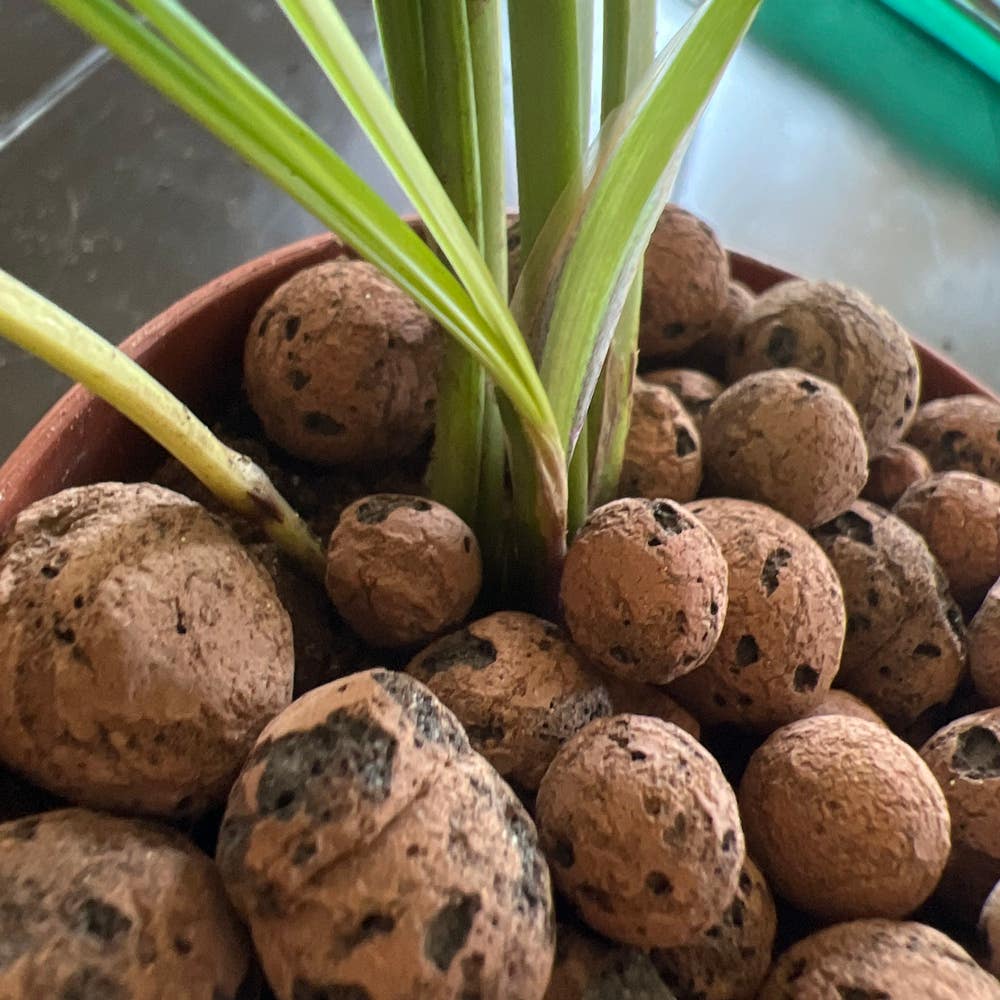
Soil drainage is key to preventing the dreaded root rot. Mix in perlite or sand to your soil to enhance its structure. Ensure your pots have drainage holes to let excess water escape. If you're dealing with a soggy situation, consider repotting with fresh, well-draining soil. Remember, waterlogged roots are a one-way ticket to droop city.
Let There Be Light: Ensuring Adequate Sunlight
🌞 Sunlight Requirements for Citronella Grass
Citronella Grass demands its daily dose of sunlight but doesn't want to get burnt to a crisp. Bright, indirect light is the sweet spot, keeping those leaves perky without the risk of sunburn. Think of it like a sunbather with a high SPF – protection is key.
💡 Solutions for Low-Light Environments
If your Citronella is stuck in a dimly lit room, it's time for an intervention. Grow lights can be a game-changer, mimicking the sun's rays and keeping your plant from becoming a wilted wallflower. Just remember, not all grow lights are created equal, so do your homework and find one that suits your green buddy's needs.
Feeding Your Citronella Grass: Nutrient Management
🌱 Identifying Essential Nutrients
Citronella Grass craves nitrogen for vigorous leaf growth. This nutrient is the powerhouse behind the lush green hue and sturdy structure of the leaves. Iron and magnesium also play pivotal roles, preventing the leaves from looking washed out or weary.
💪 Fertilizing for Strength
A springtime application of a high-nitrogen fertilizer sets the stage for a season of robust growth. But here's the kicker: Citronella Grass doesn't need a buffet of nutrients all year round. Once a year is your mantra. Overdoing it can lead to the dreaded nutrient burn—think of it as a plant's version of a bad hangover. Use a balanced, water-soluble fertilizer, but stick to the script—overfeeding is a no-go. Watch your plant's response and adjust accordingly, because every Citronella Grass has its own appetite.
⚠️ Safety First
This content is for general information and may contain errors, omissions, or outdated details. It is not medical, veterinary advice, or an endorsement of therapeutic claims.
Always consult a qualified healthcare professional before using any plant as food, medicine, or supplement.
Never eat any plant (or feed one to pets) without confirming its identity with at least two trusted sources.
If you suspect poisoning, call Poison Control (800) 222-1222, the Pet Poison Helpline (800) 213-6680, or your local emergency service immediately.
Spotted an error? Please report it here.
Ensure your Citronella Grass never suffers from overwatering or nutrient deficiencies again with custom watering plans and nutrient tracking from Greg 🌿.