💧 Why Are My Citronella Grass Leaves Droopy?
Cymbopogon nardus
By the Greg Editorial Team
Mar 01, 2024•4 min read
This article was created with the help of AI so we can cover more plants for you. May contain errors. See one? Report it here.
- Overwatering and underwatering both lead to droopiness; balance is key.
- Drainage and root health are critical for firm leaves and plant vigor.
- Protect from extreme weather with shade, frost cover, and windbreaks.
When Water Works Against You
💧 Too Much of a Good Thing: Overwatering Woes
Yellow leaves and soggy soil are your Citronella's cry for help—it's drowning in excess water. To rescue your plant, cut back on watering immediately. Let the soil dry to the touch before giving it another drink. Ensure the pot has adequate drainage; stagnant water is a root's worst nightmare.
🏜️ Thirsty Grass: The Underwatering Problem
When your Citronella's leaves droop like a teenager on Monday morning, it's parched. The soil should not feel like a stale biscuit. Water deeply, but do so infrequently, allowing the soil to dry out somewhat between waterings. This encourages roots to seek moisture and grow stronger. Remember, a thirsty plant is better off than a waterlogged one.
Soil and Roots: The Foundation of Firm Leaves
🚰 Drainage Drama: Ensuring Your Soil Isn't Choking Your Plant
Drainage holes are your plant's lifeline. Blocked? You're basically drowning your Citronella's roots. Air is as crucial as water, so keep those pathways clear.
To diagnose drainage issues, check if water sits on the surface or takes a marathon to seep through. That's a red flag.
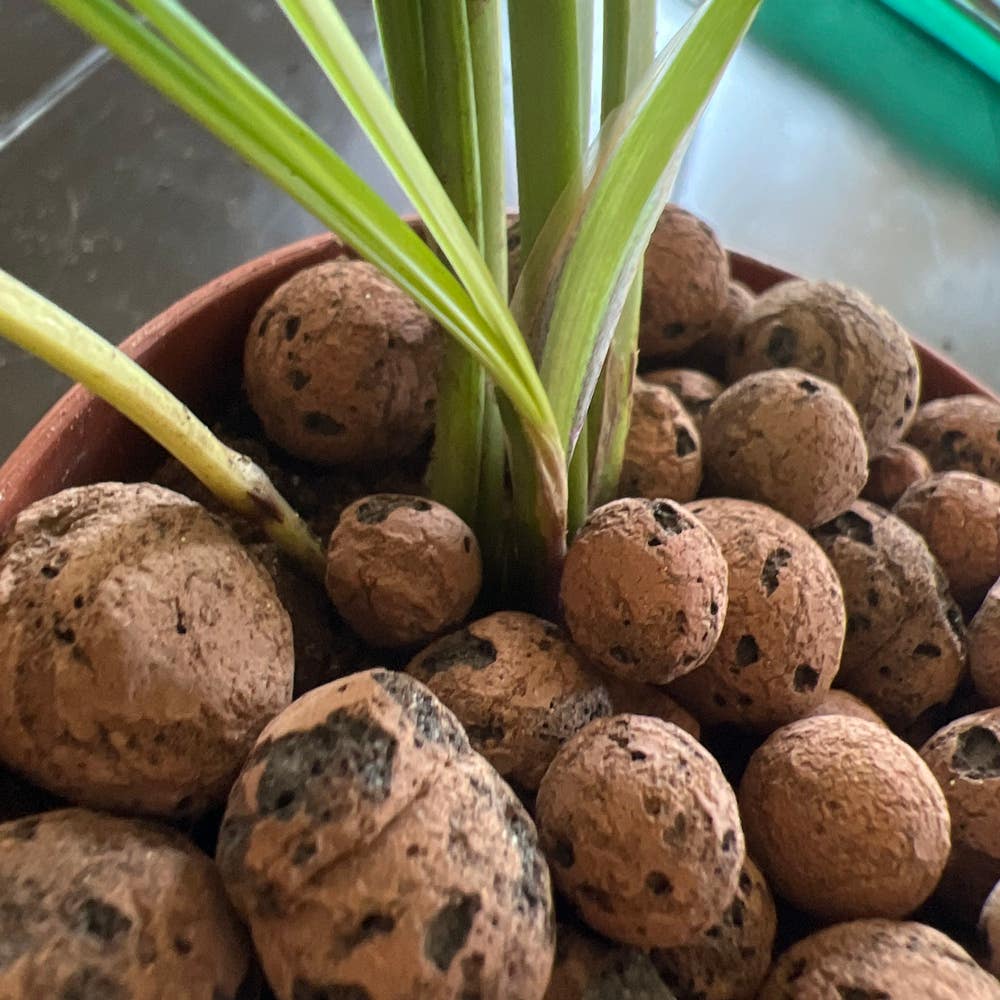
Fixing the flow means re-potting with a well-draining mix. Add perlite or sand to the party for better aeration. Think of it as giving your plant's roots room to breathe.
🩺 Root Health Check-Up
Root rot is the silent plant killer, lurking beneath the soil. Mushy, discolored roots? That's the cry for help.
Reviving the roots starts with trimming the bad, keeping the good. It's like cutting the dead weight for a fresh start.
Repot into fresh, well-draining soil and consider a pot upgrade if necessary. Your plant will show gratitude through sturdier stems.
Battling Environmental Bullies
🌞 Shielding from the Sun's Scorch and the Cold's Clutch
Citronella grass loves the sun, but too much can lead to a droopy, distressed plant. To protect your Citronella from the sun's peak intensity, provide afternoon shade. This can be achieved with a strategically placed sunshade or by relocating the plant to a spot that receives dappled light during the hottest part of the day.
When temperatures drop, Citronella grass isn't a fan of the cold. Frost protection is key, so consider using bubble wrap or plant cloches to insulate your plant. This extra layer can be the difference between a thriving Citronella and one that's struggling to stay upright.
💨 Wind Woes and Pollution Problems
Strong winds can be just as troublesome as extreme temperatures. They can cause physical damage to the leaves and dry out the soil more quickly. To combat this, set up a windbreak or move your plant to a more sheltered location. This will help prevent your Citronella from looking like it's been through a leafy tornado.
Pollution is a silent bully, often overlooked but harmful to your plant's health. If you're in an urban area, rinse the leaves occasionally to remove accumulated pollutants, ensuring your Citronella can breathe easy and stay perky.
Turning the Tide: From Droopy to Dashing
💧 Water Wisdom: Balancing Hydration
Watering your Citronella Grass should be intuitive, not just a mark on the calendar. Observe the soil before you water; if the top inch feels like a dry desert, it’s time to quench its thirst. But remember, less is often more—overwatering is a silent killer.
🌱 Soil Savvy: Crafting the Ideal Home for Your Plant's Roots
The right soil mix is your plant’s best friend. Opt for a well-draining blend, like a cactus mix jazzed up with perlite. Your container choice matters too; ensure it has drainage holes to avoid waterlogging your Citronella's roots.
🌦 Climate Control: Creating a Comfort Zone
Acclimatizing your plant is like helping a friend adjust to a new city. Gradual changes prevent shock—move your Citronella to new spots with care. Monitor temperature swings and shield it from harsh elements to keep those leaves standing tall.
⚠️ Safety First
This content is for general information and may contain errors, omissions, or outdated details. It is not medical, veterinary advice, or an endorsement of therapeutic claims.
Always consult a qualified healthcare professional before using any plant as food, medicine, or supplement.
Never eat any plant (or feed one to pets) without confirming its identity with at least two trusted sources.
If you suspect poisoning, call Poison Control (800) 222-1222, the Pet Poison Helpline (800) 213-6680, or your local emergency service immediately.
Spotted an error? Please report it here.
Revive droopy citronella with Greg's customized care alerts 🚨, ensuring perfect watering and protection from the elements for robust growth!