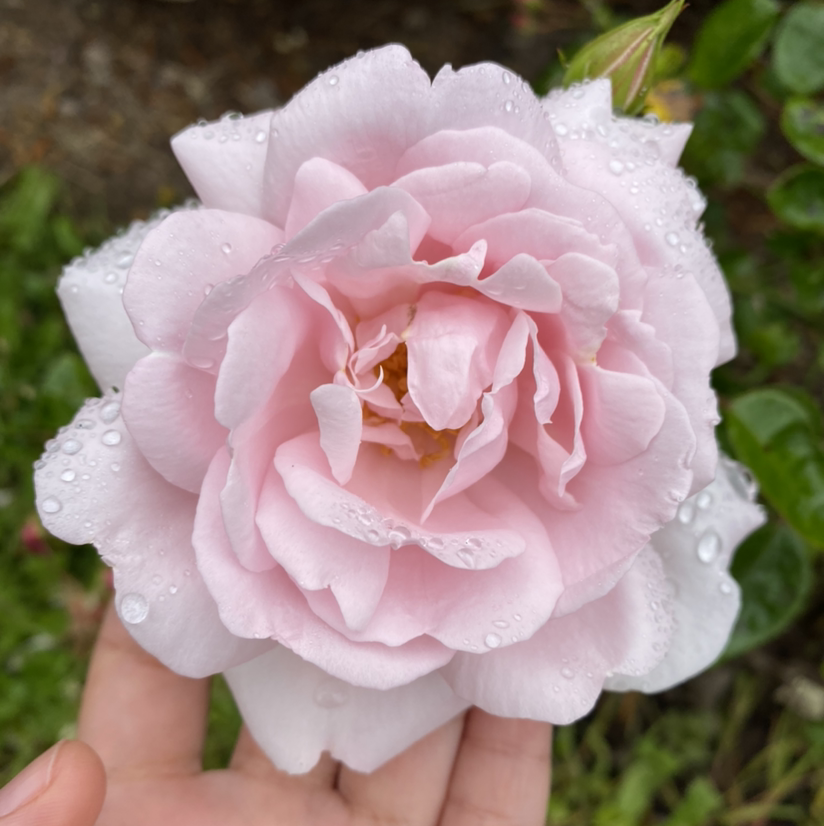
Camellia

How to Fertilize Camellia

Camellia japonica
Reviewed by Kiersten Rankel M.S.
Quick Answer
Use an acid-forming fertilizer like Holly-tone or an azalea blend. Feed just twice a year: once in early spring and once after blooming. Camellias are light feeders, so less is more.

When Should I Start Feeding My Camellia?

Begin fertilizing in early spring once the danger of hard frost has passed, adjusting by a few weeks depending on your region's last frost date.

US feeding regions map
Pacific Feb–Mar, Jun–Jul
Mountain May, Jul
Midwest Apr, Jun–Jul
Northeast Apr–May, Jul
Southeast Mar, Jun
Stay on top of plant care
Get seasonal reminders for watering and fertilizing — personalized for your plants.
Try Greg Free

How Often Should I Fertilize My Camellia?

Feed just twice a year. Apply the first dose in early spring as new growth begins, and the second dose after the blooming period ends. That is all most Camellias need.

Avoid fertilizing in late summer or fall. Feeding too late in the season stimulates tender new growth that is vulnerable to frost damage.

If your Camellia's leaves are a deep, healthy green, it may not need the second feeding at all. Yellowing leaves with green veins often signal iron deficiency from high soil pH, not a lack of fertilizer.

Feeding Calendar
Early Spring
One application of slow-release acid-forming fertilizer
Late Spring & Summer
One post-bloom application after flowers fade
Fall & Winter
No feeding, let the plant set buds and rest

What Is the Best Fertilizer for Camellia?

Camellias thrive with an acid-forming fertilizer, the same type used for azaleas and rhododendrons. Look for a formula with moderate nitrogen and higher phosphorus and potassium, such as 4-8-8 or 10-10-10 for acid-loving plants.

Granular slow-release fertilizer is the best choice for Camellias because it feeds gradually over several weeks. Liquid fertilizer can work, but the shallow root system is sensitive to sudden nutrient spikes.

Always apply at the label's recommended rate or slightly below. Camellias are easily damaged by excess fertilizer, especially nitrogen, which pushes leafy growth at the expense of flower buds.

Synthetic
Water-soluble acid-forming fertilizer. Mix at half the label rate for Camellias to avoid nitrogen burn.
Slow-release granular formulated specifically for acid-loving shrubs. Apply once in early spring.
Organic
Organic granular with beneficial microbes, designed for acid-loving plants. Apply according to label twice a year.
Organic blend with mycorrhizae and probiotics. Safe for sensitive Camellia roots when used at the recommended rate.

How Do I Fertilize My Camellia?

1
Water the root zone thoroughly
Soak the ground around your Camellia a day before fertilizing. Moist soil helps the granules break down evenly and protects the shallow roots.
2
Measure the correct amount
Follow the label rate for your acid-forming fertilizer. For a mature Camellia, this is usually about 1 tablespoon per foot of plant height. When in doubt, use less.
3
Spread under the drip line
Scatter the granules evenly under the canopy, starting a few inches from the trunk and extending to the drip line. Camellia roots spread wide and shallow, so cover the whole area.
4
Scratch into the top inch of mulch
Use a hand rake to gently work the fertilizer into the mulch or top layer of soil. Do not dig deep because Camellia roots sit very close to the surface.
5
Water in gently
Give the area a slow, deep watering to dissolve the granules and carry nutrients down to the roots. Avoid heavy blasting, which can wash granules into a concentrated pile.

Got More Questions?

Can I use coffee grounds around my Camellia?
Yes, in moderation. Coffee grounds are acidic and Camellias prefer acidic soil. Scatter a thin layer around the base and cover with mulch. They are not a substitute for a complete fertilizer, though.
What happens if I over-fertilize my Camellia?
Excess fertilizer, especially nitrogen, causes leaf tip burn and can trigger a flush of soft growth that attracts pests. In severe cases, the roots can be damaged, leading to wilting and leaf drop.
Why are my Camellia leaves turning yellow with green veins?
This is usually iron chlorosis caused by soil pH being too high, not a fertilizer shortage. Test your soil pH and amend with sulfur or an acid-forming fertilizer if it is above 6.5.
Should I fertilize a newly planted Camellia?
Wait until the plant has been in the ground for at least three months and shows signs of new growth. Fertilizing too soon can shock roots that are still establishing.
Can I use banana peels to fertilize my Camellia?
Banana peels decompose slowly and provide very little usable nutrition for a shrub this size. Stick with a proper acid-forming fertilizer for reliable results.
Stay on top of plant care
Get seasonal reminders for watering and fertilizing — personalized for your plants.
Try Greg Free

About This Article

Kiersten Rankel M.S.
Botanical Data Lead at Greg · Plant Scientist
About the Author
Kiersten Rankel holds an M.S. in Ecology & Evolutionary Biology from Tulane University. A certified Louisiana Master Naturalist, she has over a decade of experience in science communication, with research spanning corals, cypress trees, marsh grasses, and more. At Greg, she curates species data and verifies care recommendations against botanical research.
See Kiersten Rankel's full background on LinkedIn.
Editorial Process
Fertilizer recommendations verified against Camellia japonica growth data from Greg's botanical database, cross-referenced with USDA hardiness zone data and published horticultural research.
1,073+ Greg users growing this plant
USDA hardiness zones 7a–9b