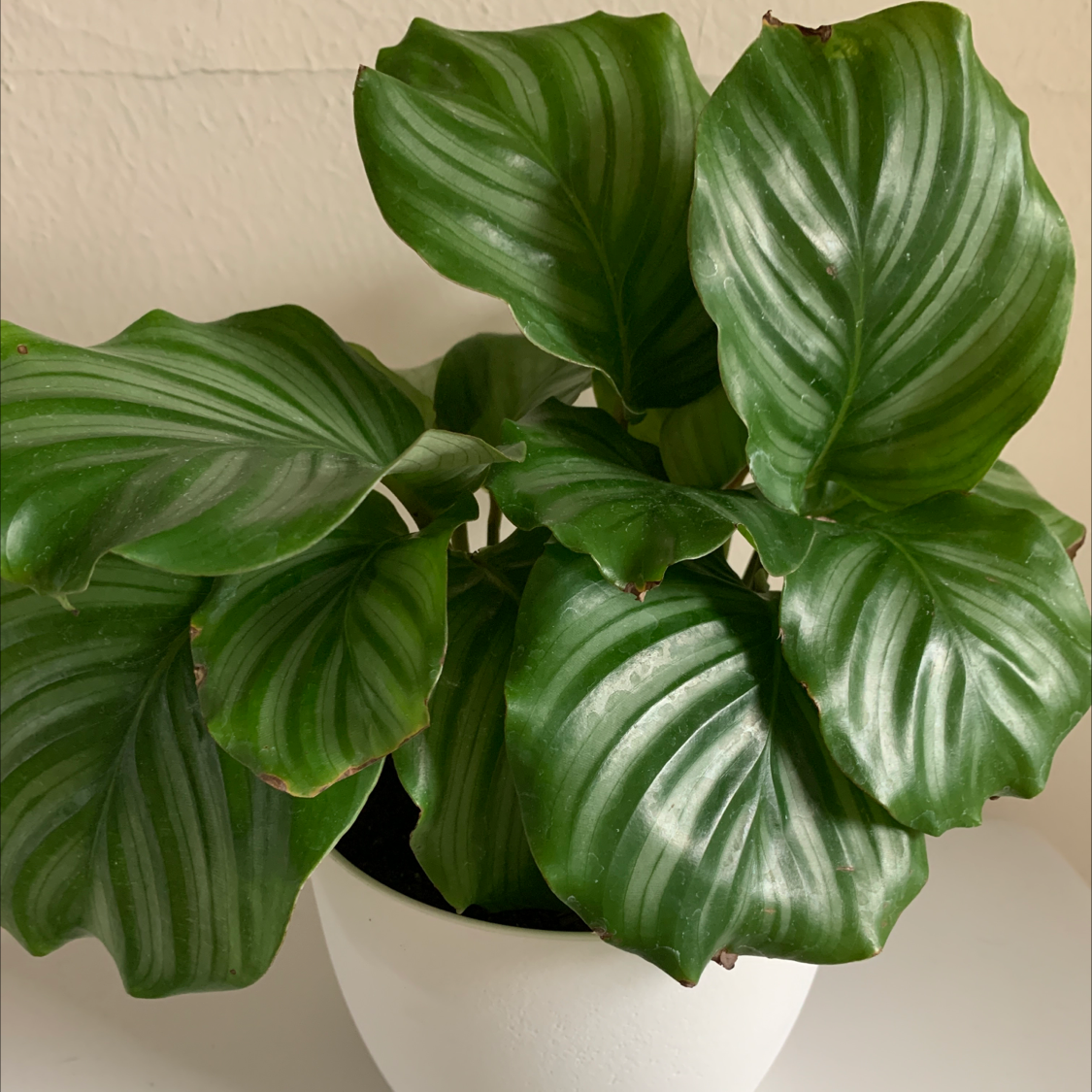
Common Calathea Orbifolia Problems

Goeppertia orbifolia

By the Greg Editorial Team

Jun 14, 202410 min read

This article was created with the help of AI so we can cover more plants for you. May contain errors. See one? Report it here.

Transform your Calathea Orbifolia from wilted to wonderful with these vital care secrets! ๐ŸŒฟ

Calathea orbifolia
  1. Wilting and yellowing signal over/underwatering or poor lighting.
  2. Curling leaves? Adjust water, humidity, and light.
  3. Brown tips and leaf spots mean check air, water, and fertilizer.

Identifying Unhealthy Signs

When your Calathea Orbifolia starts throwing a fit, it's not just being dramaticโ€”it's signaling for help. Wilting leaves are the plant's way of saying it's parched or drowning. If the leaves are turning yellow, it could be shouting about soggy feet from overwatering or a cry for more light. And when leaves curl, it's often a sign of thirst, a plea for higher humidity, or a protest against too much sun.

๐Ÿƒ Visual Cues: The Leaves Tell All

Leaf curling? Check your watering habits and consider if your plant is throwing shade for too much light. Yellowing leaves often tattle on overwatering or poor drainage, while brown tips might gossip about dry air or your heavy-handed fertilizer use. And if the leaves are more faded than your favorite jeans, it's likely getting sunburned.

๐Ÿ‘ฉโ€๐ŸŒพ Behavioral Cues: Growth and Development

Stunted growth is like your plant's silent treatmentโ€”it's not happy, but it's not telling you why. No new leaves? It's the botanical equivalent of a hunger strike, possibly due to inadequate light or nutrients. Keep an eye out for these sulky behaviors, and you'll be on your way to understanding what your Calathea Orbifolia needs to thrive.

Calathea Orbifolia plant with yellowing and browning leaves in a pot on a windowsill.

Leaf Curling

Leaf curling in Calathea Orbifolia can be a real head-scratcher. Underwatering is often the culprit, leaving your plant's leaves thirstier than a tourist in the desert. But don't go flooding your plant with love just yet; too much H2O can also cause those leaves to curl up in distress.

๐Ÿ’ง The Watering Balancing Act

Check the soil moisture before you act. If it's drier than a stand-up comedian's wit, it's time to water. But here's the kicker: only water when the top inch of soil feels like a dry handshake โ€“ not too wet, not too dry.

๐ŸŒฟ Humidity: The Unsung Hero

Low humidity can turn your Calathea Orbifolia into a crispy critter. Aim for that tropical vibe; think rainforest, not desert. A humidifier can be your best friend here, or try the old-school method of a pebble tray with water underneath the pot.

โ˜€๏ธ Light: The Goldilocks Zone

Too much light and your Calathea's leaves will curl up tighter than a roll of coins. Find that sweet spot where the light is bright but indirect, like a shady spot on a sunny day. If your plant is getting more light than a celebrity at a red carpet event, it's time to relocate.

Remember, your Calathea Orbifolia isn't just being dramatic โ€“ those curling leaves are a cry for help. Adjust your watering habits, keep the air humid, and find that perfect lighting, and you'll have your plant flaunting its foliage with pride.

Calathea Orbifolia plant with browning leaf edges in a pot.

Brown Leaf Tips

๐Ÿ‚ The Telltale Signs

Brown leaf tips on your Calathea Orbifolia can be a real mood-killer. They're like the plant's way of saying, "I'm not okay!" But fear not, this is a fixable issue.

๐Ÿ’จ Dry Air: The Silent Foliage Foe

Dry air is the nemesis of lush leaves. If your home is drier than a stand-up comedian's wit, it's time to increase humidity. Think daily misting, or relocate your plant to a bathroom where it can bask in shower steam.

๐Ÿ’ง Water Woes

Inconsistent watering can make your Calathea's leaves look like they've been through a paper shredder. Too much, too little, it's all bad news. Aim for soil moisture consistencyโ€”like Goldilocks, just right.

๐ŸŒฑ Fertilizer Faux Pas

Overzealous with the plant food? Excess fertilizer can leave the tips of your Calathea looking burnt. Ease up on the feeding frenzy and watch your plant thank you with healthy growth.

๐Ÿ’ฆ Humidity Hacks

Get creative to keep the air moist. A tray of pebbles and water beneath the pot can work wonders, or splurge on a humidifier for that tropical vibe. Your Calathea will be throwing a humidity party in no time.

๐Ÿ’ง Water Quality Query

Tap water is a cocktail of chemicals that can leave your plant's leaves looking like they've had a bad dye job. Switch to distilled or rainwater to avoid those unsightly tips.

โ˜€๏ธ The Light Limit

Too much light can scorch your Calathea's delicate leaves. Find a spot where the light is bright but indirectโ€”like a solar eclipse for your plant.

๐ŸŒฟ Final Thought

Remember, brown tips are like a bad haircut; they won't grow back. But with the right care, new leaves will be tip-top. Keep the air moist, water wisely, and your Calathea will stay as fresh as a stand-up's punchlines.

Calathea Orbifolia plant with browning leaf edges on a countertop.

Yellowing Leaves

When your Calathea Orbifolia starts to look like it's auditioning for autumn in the middle of spring with yellow leaves, it's time to play detective. Overwatering is the usual suspect, but don't rule out a root rot conspiracy or the plant's silent protest against inadequate light.

๐Ÿ’ง Overwatering: The Root of the Problem

It's a classic case of too much love. Let the soil dry out a bit between waterings. If the soil feels like a wet sponge, you've gone overboard. Ease up on the H2O and watch for recovery.

๐Ÿ•ต๏ธ Root Rot: Uncovering the Hidden Culprit

If the plant's base is as mushy as overcooked noodles, you've got root rot. Repot with fresh soil and trim any roots that look like they've seen better days. Remember, roots need to breathe too!

๐ŸŒž Light: Finding the Sweet Spot

Your plant isn't a sunbather. Too little light, and it's a one-way ticket to yellow-town. Find a bright, indirect light spot where it can bask without the burn.

๐Ÿ’ฆ The Hydrogen Peroxide Hack

If you're dealing with root rot, try the hydrogen peroxide trick. Mix it up, pour it down, and cross your fingers. Resume watering when the soil tells you it's thirsty, not before.

๐Ÿฅข The Chopstick Method

Not sure if it's time to water? Stick a chopstick in the soil. If it comes out looking like it took a dip in a pool, hold off on watering. It's simple, effective, and you'll feel like a plant ninja.

๐ŸŒฑ The Fertilizer Factor

Yellow leaves can also scream "I'm over-fertilized!" If your soil looks like it's been snowed on with fertilizer, it's time to flush it out or repot. Balance is keyโ€”your plant isn't trying to bulk up for a bodybuilding contest.

Remember, your Calathea Orbifolia isn't just being dramatic. Yellow leaves are a cry for help. Listen closely, adjust your care routine, and you'll both be happier for it.

Leaf Spotting

Leaf spotting on your Calathea Orbifolia can be a real bummer, turning your plant's lush canvas into a splotchy mess. Fungal infections, bacterial diseases, or even the quality of your water can be the culprits behind those unsightly spots.

๐Ÿ•ต๏ธ Recognizing the Problem

Look for small brown spots with yellow halosโ€”nature's way of saying, "Houston, we have a problem." These spots can vary in size and shape, but they all spell trouble for your plant's health.

๐ŸŒฑ The Root of the Issue

Often, the issue stems from too much moisture on the leaves, which is like a welcome mat for fungi and bacteria. If you're guilty of overzealous watering or leaving your plant wet and wild after a shower, you're rolling out the red carpet for leaf spot diseases.

โœ‚๏ธ Cut It Out

Literally. Snip off those affected leaves with sterilized scissors. Remember, cleanliness is next to godliness, so sterilize those shears between cuts to prevent spreading the disease.

๐Ÿ’ง Dry Humor

Keep those leaves dry to avoid fungal stand-up comedy at your plant's expense. Water your Calathea Orbifolia when the top 75% of the soil feels dry, and never let it sit in a saucer of excess water. And please, hold the mist; it's not a hair product.

๐Ÿ’จ Air It Out

Better air circulation can be a game-changer. It's like opening the window after you burn toastโ€”let that plant breathe and dry out a bit.

๐Ÿฆ  Fungicide to the Rescue

If things look dire, bring out the big guns: neem oil or a copper fungicide. But don't go rogueโ€”follow the directions on the bottle like it's a recipe for the world's best chocolate cake.

๐Ÿšซ Prevention: A Lifestyle

The best way to deal with leaf spotting is to not deal with it at all. Keep your plant's leaves as dry as the humor in this article, and quarantine any new plants that look a bit sketchy. Regular check-ups can save you a lot of headaches, so keep an eye out, and don't let those spots spread like gossip.

Wilting or Drooping

Wilting or drooping in Calathea Orbifolia can be a real mood-killer, signaling distress in your leafy friend. Let's dive into the root causes and how to turn that frown upside down.

๐Ÿœ๏ธ Underwatering: The Silent Plant Killer

Dry soil is a no-go. If the potting mix feels like a desert, it's time to quench your plant's thirst. Water evenly until moisture seeps through the drainage holes, but don't create a mini flood.

๐ŸŒŠ Overwatering: The Root of All Evil

Conversely, soggy soil is a recipe for disaster. If the soil feels like a swamp, you've overdone it. Ease up on the watering, and consider a soil switcheroo if it's retaining water like a sponge.

๐ŸŒก๏ธ Temperature Tantrums

Calathea Orbifolia can throw a fit if temperatures swing more than a politician's promises. Keep the room between 65-75ยฐF (18-24ยฐC) to avoid temperature-induced wilting.

โš–๏ธ The Balancing Act

It's all about finding that sweet spot. Check the soil before wateringโ€”if it's damp an inch below the surface, hold off. If it's dry, it's time to water. And remember, good drainage is the secret handshake to plant health.

๐Ÿ’จ A Breath of Fresh Air

Roots need oxygen too. If they're gasping for air, your plant will droop like it's had a long day. Ensure your pot has adequate drainage and the soil isn't too compact.

๐Ÿ’ฆ The Humidity Hustle

Calathea Orbifolia loves a good humidity boost. If your air is drier than a stand-up comedian, consider a humidifier or a pebble tray to up the ante on moisture in the air.

Remember, your Calathea isn't just being dramaticโ€”it's trying to tell you something. Listen up, make the right moves, and you'll have it standing tall and proud in no time.

Preventative Measures

Maintaining a Calathea Orbifolia in prime condition is akin to caring for a finicky pet โ€“ it requires attention, consistency, and a bit of know-how. Here's how to keep your leafy friend thriving and prevent common issues.

๐Ÿ’ง Consistent Watering

Overwatering and underwatering can send your Calathea Orbifolia into a tailspin. Stick to a watering schedule that keeps the soil moist but not soggy. Think of it as a sponge โ€“ it should never dry out completely, nor should it be dripping wet. Check the soil before watering; if the top inch feels dry, itโ€™s time to water.

๐ŸŒฟ Optimal Humidity Levels

These plants crave humidity like a teenager craves WiFi. To prevent brown tips and leaf curling, aim for humidity levels akin to a steamy jungle. Grouping plants together or using a humidifier can help achieve this. Misting helps too, but don't overdo it โ€“ you're going for dewy, not drenched.

โ˜€๏ธ Suitable Light Exposure

Calathea Orbifolia and direct sunlight mix about as well as oil and water. Place your plant in a spot with bright, indirect light โ€“ think a north-facing window or a shaded corner where it can bask without getting scorched. Remember, if you can read comfortably without extra light, your plant is probably happy.

๐Ÿ” Regular Inspection

Like checking your car before a road trip, regular inspections can prevent a breakdown. Look out for pests, yellowing leaves, or signs of disease. Catching issues early can mean the difference between a quick fix and a plant funeral.

๐Ÿ›ก๏ธ Proactive Care

A proactive approach is your best defense. Adjust your care with the seasons โ€“ more water and misting in the summer, less in the winter. And don't forget to dust those leaves; it's not just about aesthetics โ€“ clean leaves can absorb more light.

Remember, your Calathea Orbifolia doesn't need coddling, just a bit of regular TLC. Keep these tips in mind, and you'll be rewarded with a lush, vibrant plant that's as healthy as it is beautiful.

โš ๏ธ Safety First

This content is for general information and may contain errors, omissions, or outdated details. It is not medical, veterinary advice, or an endorsement of therapeutic claims.

Always consult a qualified healthcare professional before using any plant as food, medicine, or supplement.

Never eat any plant (or feed one to pets) without confirming its identity with at least two trusted sources.

If you suspect poisoning, call Poison Control (800) 222-1222, the Pet Poison Helpline (800) 213-6680, or your local emergency service immediately.

Spotted an error? Please report it here.

Revive your Calathea Orbifolia from the brink with tailored reminders ๐ŸŒฑ from Greg, ensuring perfect watering, humidity, and care for your green companion's comeback.


You Might Also Want to Know...

Why are the leaves of Calathea Orbifolia turning yellow?

The leaves of Calathea Orbifolia can turn yellow due to improper watering, either overwatering or underwatering.

How often should I water my Calathea Orbifolia?

Water your Calathea Orbifolia when the top half of the soil dries out, but avoid letting the soil become bone dry.

What can cause the leaves of Calathea Orbifolia to turn brown?

The leaves of Calathea Orbifolia can turn brown due to improper watering, prolonged sun exposure, or mineral buildup in the soil.

How can I prevent the loss of leaf patterns on my Calathea Orbifolia?

To prevent the loss of leaf patterns on your Calathea Orbifolia, avoid exposing it to very bright light for extended periods of time and ensure it receives adequate nutrients through proper fertilization.

Why are the leaves of my Calathea Orbifolia drooping?

The leaves of Calathea Orbifolia may droop if the plant is underwatered or if there are sudden changes in temperature. Maintaining a regular watering routine and a constant room temperature can help prevent drooping leaves.

Can I use tap water to water my Calathea Orbifolia?

Using tap water to water your Calathea Orbifolia can cause mineral salt buildup in the soil, which can lead to leaf discoloration. It is recommended to use distilled water or rainwater instead.

How can I increase the humidity for my Calathea Orbifolia?

You can increase the humidity for your Calathea Orbifolia by using a humidifier, placing a pebble tray filled with water near the plant, or keeping the plant in a room with higher moisture levels, such as a bathroom or kitchen.

Why are the leaves of my Calathea Orbifolia curling?

The leaves of Calathea Orbifolia can curl if the plant is underwatered or if the humidity levels are too low. Maintaining a regular watering routine and increasing the humidity can help prevent leaf curling.

How often should I fertilize my Calathea Orbifolia?

Fertilize your Calathea Orbifolia once a month during the spring and summer seasons with a weak dilution of a complete liquid fertilizer.

Why are the leaves of my Calathea Orbifolia losing their patterns?

The leaves of Calathea Orbifolia can lose their patterns if the plant is exposed to very bright light or kept in low light conditions for a long time. Adjusting the plant's light exposure can help preserve its patterns.