How to Fertilize Calamondin
When Should I Start Feeding My Calamondin?
Start feeding when new growth appears in spring, keeping in mind that Calamondin (zones 9a-11b) may grow nearly year-round in warm climates or bright indoor conditions.


How Often Should I Fertilize My Calamondin?
Feed every 4-6 weeks during active growth from spring through early fall. Calamondin can flower and fruit nearly year-round in warm conditions, so it has a longer feeding window than most houseplants.
If your Calamondin lives indoors year-round, you can continue light feeding through winter at about half the normal rate, roughly every 8 weeks. If it goes outdoors in summer and comes back inside for winter, stop feeding once you bring it in and resume in spring.
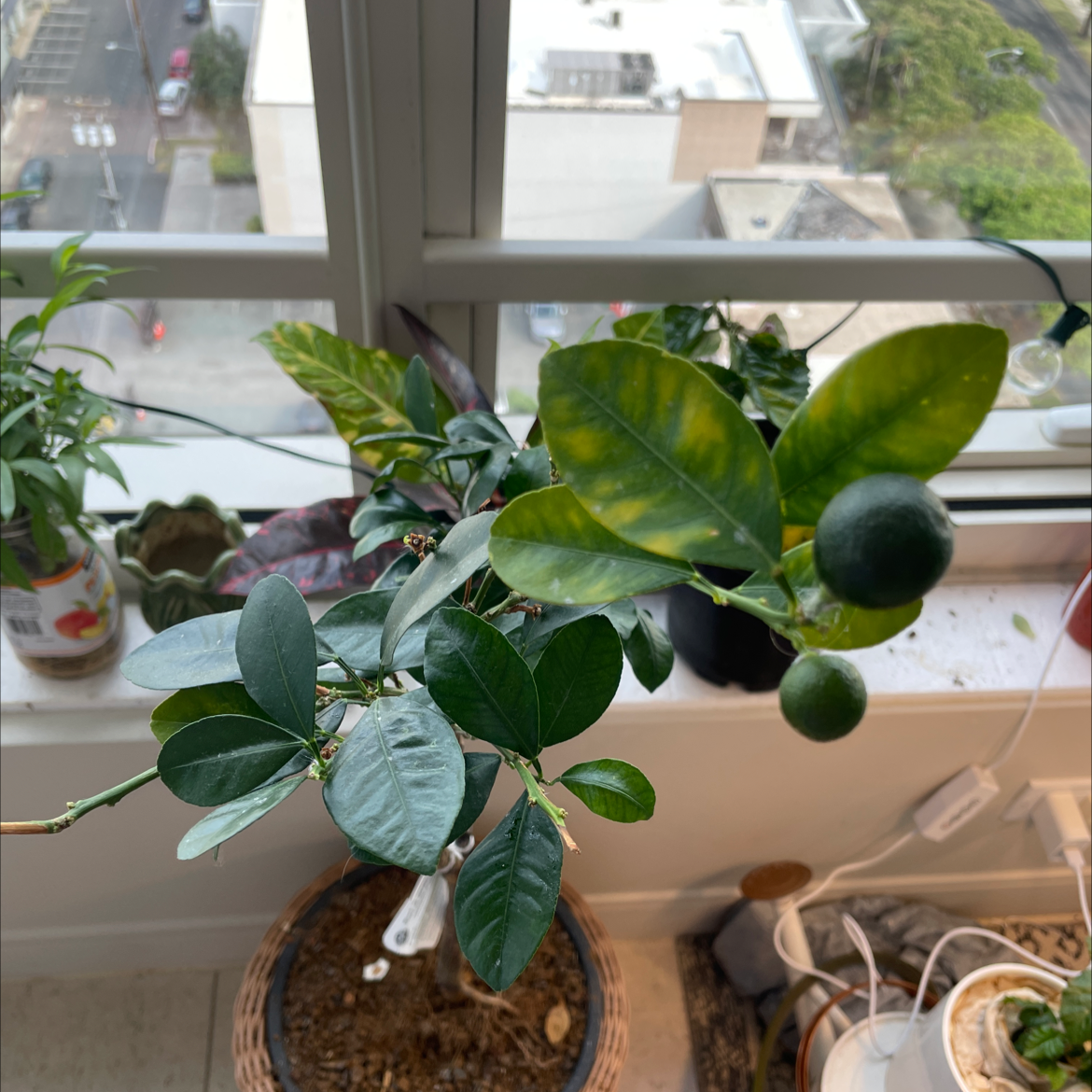
Yellowing leaves with green veins during the growing season usually mean iron deficiency, not a lack of general fertilizer. Switch to a formula with chelated iron or apply an iron supplement separately.
What Is the Best Fertilizer for Calamondin?
Calamondin does best with a citrus-specific fertilizer that includes iron, manganese, and zinc alongside the standard NPK. Citrus trees are heavy feeders that are especially prone to iron deficiency, which shows up as yellow leaves with green veins.
Look for a formula around 6-4-6 or 5-2-6. The slightly higher nitrogen supports foliage growth, while adequate potassium helps fruit development. Avoid generic flowering plant fertilizers with very high phosphorus, as citrus doesn't need it.
A slow-release granular citrus formula works well for outdoor Calamondin. For indoor plants in pots, a liquid citrus fertilizer gives you more control over the dose and lets you adjust through the seasons.
How Do I Fertilize My Calamondin?
Got More Questions?
About This Article
