π Ultimate Guide to Pests Eating Tagetes erecta
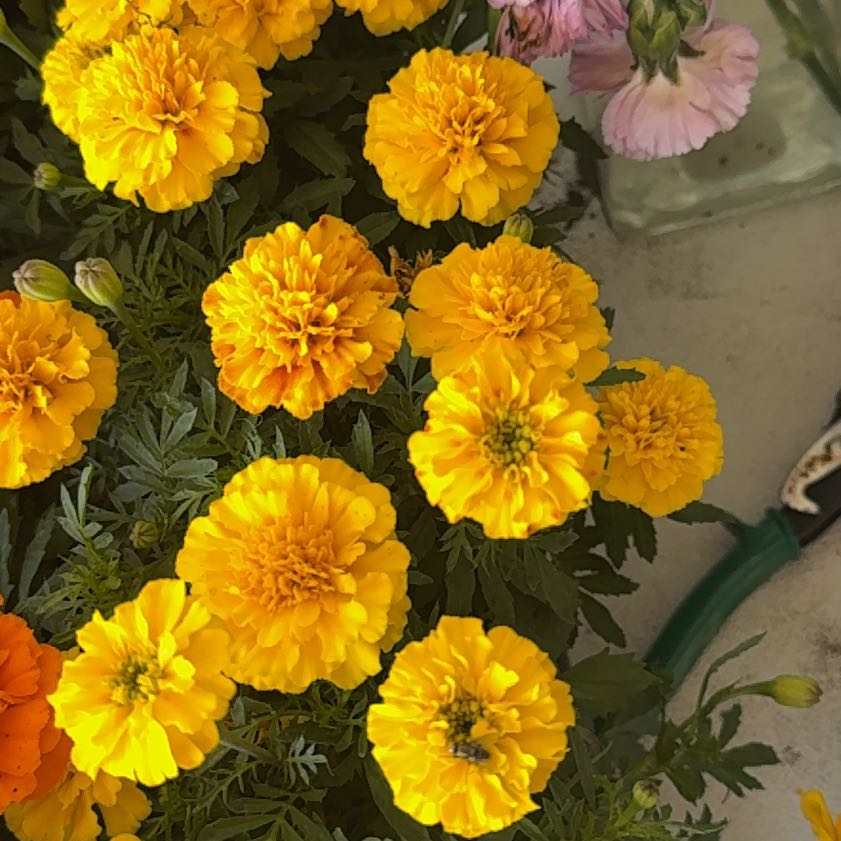
Tagetes erecta
By the Greg Editorial Team
Jul 22, 2024•5 min read
This article was created with the help of AI so we can cover more plants for you. May contain errors. See one? Report it here.
Protect your marigolds πΌ from pesky invaders with expert pest control tips that ensure thriving blooms.
- π Common pests: Spider mites, mealybugs, aphids, whiteflies, and weevils target Tagetes erecta.
- π± Use organic methods like natural predators and neem oil for eco-friendly control.
- π Early detection is key for preventing pest outbreaks and ensuring plant health.
Identifying Common Pests
π·οΈ Spider Mites
Spider mites are minuscule but mighty foes of Tagetes erecta. Look for telltale signs like fine webbing and mottled leaves. To combat them:
- Blast with water to physically remove mites.
- Apply insecticidal soap or neem oil for more severe infestations.
π Scale Insects
Scale insects masquerade as small, waxy bumps on stems and leaf undersides. They suck sap and weaken plants. To manage scale:
- Scrape off the scales gently with a soft brush.
- Use horticultural oil sprays to suffocate them.
π¦ Fungus Gnats and Fruit Flies
These pests hover around soil and are a nuisance more than a threat. To control them:
- Reduce watering to let the soil dry.
- Trap adults with yellow sticky traps.
π Mealybugs
Mealybugs look like tiny cotton clusters under leaves. They can cause stunted growth. Effective treatments include:
- Wiping them with alcohol-soaked cotton swabs.
- Spraying with insecticidal soap.
π¦ Aphids
Tiny sap-suckers, aphids often cluster under leaves and produce sticky honeydew. To manage aphids:
- Spray with a strong water jet.
- Introduce natural predators like ladybugs.
π¦ Whiteflies
Whiteflies are small, moth-like insects that scatter when disturbed. They also excrete honeydew. To treat whiteflies:
- Use yellow sticky traps.
- Apply insecticidal soap or horticultural oil.
πͺ² Weevils
Weevils chew on leaves, leaving notches on the edges. Control weevils by:
- Hand-picking them at night.
- Applying beneficial nematodes to the soil.
πΌ Tagetes-Specific Pests
Some pests have a particular taste for Tagetes erecta. Stay vigilant for unusual damage and consult local extension services for identification and control methods.
Pest Damage and Impact
π Understanding Pest Damage
Pests can wreak havoc on Tagetes erecta, compromising its health and growth. Spider mites and mealybugs, for example, drain the plant's vital sap, leading to stunted growth and increased susceptibility to diseases. The damage can be so severe that the plant's ability to photosynthesize is significantly hindered, potentially resulting in plant death.
- Pests like aphids excrete sticky honeydew, which attracts ants and fosters fungal growth, creating a cascade of issues.
- Physical damage from pests can include distorted leaves and stems, which not only affects the plant's aesthetics but also its overall vigor.
πΈ Seasonal Pest Variations
Pest populations can fluctuate with the seasons, affecting Tagetes erecta differently throughout the year.
- Warm, humid conditions often lead to increased pest activity, making vigilance during these times crucial.
- Conversely, extreme weather conditions, such as excessive rainfall, can naturally reduce pest populations by washing away eggs and larvae.
Treatment and Control
π¦ Chemical Treatments
Chemical pesticides can be a powerful ally in the fight against pests, but they should be used with caution. Here's how to do it safely:
- Always read and follow label instructions to the letter.
- Opt for the least toxic options, such as insecticidal soaps and neem oil.
- Consider the environmental impact and the safety of non-target organisms.
- Use systemic treatments like imidacloprid judiciously, as they can affect more than just the pests.
πΏ Organic Methods
Nature offers its own pest control solutions, and many are friendly to both plants and the planet. Here are some organic tactics:
- Introduce natural predators like ladybugs to manage aphids.
- Apply organic-approved pesticides, ensuring they are suitable for Tagetes erecta.
- Use companion planting and physical barriers to deter pests.
π Integrated Pest Management (IPM)
IPM is a sustainable approach to pest control that combines multiple strategies:
- Regularly inspect plants for early signs of infestation.
- Identify pests accurately to choose the most effective control methods.
- Prioritize non-chemical methods and use pesticides as a last resort.
- Monitor the effectiveness of your actions and adjust your strategy as needed.
Pest Prevention Strategies
πΏ Plant Hygiene and Care
Keeping Tagetes erecta healthy is your first line of defense against pests. Here's how to maintain plant hygiene:
- Regularly remove dead leaves and debris to eliminate pest hiding spots.
- Water appropriately to avoid stress and disease, which can attract pests.
- Ensure adequate nutrition and sunlight to bolster the plant's natural defenses.
π Environmental Controls
Modify the growing environment to make it less inviting to pests:
- Maintain optimal humidity and temperature to deter pest infestations.
- Improve air circulation around plants to prevent stagnant, pest-friendly conditions.
- Quarantine new plants to avoid introducing pests to your garden.
π Early Detection and Intervention
Vigilance is key in preventing pest outbreaks:
- Inspect your Tagetes erecta plants regularly for early signs of pests.
- Isolate affected plants immediately to stop the spread of pests.
- Keep a record of pest activity to help anticipate and prevent future issues.
Distinguishing Pests
π Similar Pests, Different Problems
Identifying pests correctly is crucial for effective treatment. Here's how to differentiate between common look-alikes:
Aphids vs. Whiteflies: Both can cause sticky leaves, but aphids are typically pear-shaped and can be various colors, while whiteflies are winged and resemble tiny moths.
Mealybugs vs. Scale Insects: Mealybugs have a distinct cottony appearance, whereas scale insects develop hard, shell-like coverings that can blend in with plant bark.
Spider Mites vs. Fungus Gnats: Spider mites create fine webbing and are often red or brown. Fungus gnats, on the other hand, are tiny black flies that hover around soil.
To ensure you're dealing with the right adversary:
- Inspect plants regularly, checking under leaves and in crevices.
- Look for specific damage patterns; chewed leaves might suggest weevils, while puckered surfaces could indicate sucking pests like spider mites.
- Use resources like close-up pests pictures to confirm your suspicions.
- When in doubt, consult with a local extension service or use online identification tools.
Remember, accurate identification is the first step to a tailored and successful pest control strategy.
β οΈ Safety First
This content is for general information and may contain errors, omissions, or outdated details. It is not medical, veterinary advice, or an endorsement of therapeutic claims.
Always consult a qualified healthcare professional before using any plant as food, medicine, or supplement.
Never eat any plant (or feed one to pets) without confirming its identity with at least two trusted sources.
If you suspect poisoning, call Poison Control (800) 222-1222, the Pet Poison Helpline (800) 213-6680, or your local emergency service immediately.
Spotted an error? Please report it here.