🍍 What To Do About Bugs on My Pineapple?

Ananas comosus

By the Greg Editorial Team

Jun 08, 20246 min read

This article was created with the help of AI so we can cover more plants for you. May contain errors. See one? Report it here.

Pineapple
  1. Spider mites and scale insects can be managed with organic soaps and oils.
  2. Fungus gnats and mealybugs threaten plants but are treatable with neem oil or traps.
  3. Regular monitoring and IPM are key to preventing and controlling pineapple plant pests.

Common Bugs Affecting Pineapple

πŸ•·οΈ Spider Mites

Tiny but mighty, spider mites wreak havoc on pineapple plants by sucking the life out of their leaves. Spot them by their signature white dots and fine webbing on the underside of leaves. Blast them off with a water spray or bring in their natural enemies like ladybugs. When push comes to shove, organic insecticidal soaps are your go-to.

🦟 Scale Insects

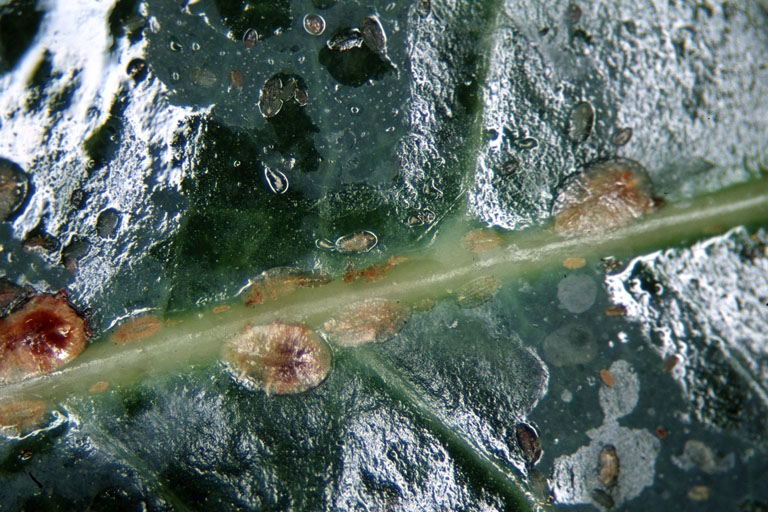
These sneaky pests camouflage as bumps on your pineapple plant, sucking sap and stunting growth. Catch them red-handed by looking for waxy deposits on stems and leaves. Show them the door with horticultural oils or insecticidal soaps, ensuring you cover all nooks and crannies.

🦟 Fungus Gnats / Fruit Flies

Drawn to moist soil, these pests are more than just a nuisance. Fungus gnats and fruit flies can be spotted hovering around your pineapple plant or in the soil. Cut their party short with soil drenches or sticky traps. Remember, they hate dry soil, so let your pineapple's bed dry out a bit between waterings.

πŸ› Mealybugs

Fluffy white mealybugs love to feast on your pineapple's foliage and fruits. Find their cottony hideouts and wipe them out with neem oil or a rubbing alcohol solution. Be thorough; these bugs are stubborn and can hide in the smallest crevices.

🐜 Other Common Pests

Aphids and thrips are also on the list of pineapple party crashers. They're small, but their impact is not. Spot them by their damage: distorted leaves and stunted growth. Each pest has its kryptoniteβ€”neem oil for aphids and reflective mulch for thrips. Stay vigilant and tailor your attack to the pest at hand.

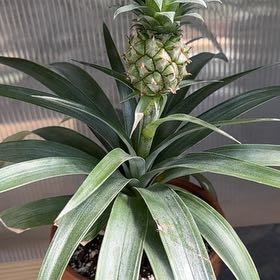
A healthy young pineapple plant with spiky green leaves, potted and growing indoors amongst other houseplants.

Potential Damage Caused by Pests

Pests are the bane of pineapple cultivation, each with a unique modus operandi for wreaking havoc on your plants. Spider mites, for instance, spin their fine webs and suck the life out of leaves, leaving them speckled and yellowed. Scale insects are no less destructive; they latch onto the plant, forming hard, shield-like bumps that drain the sap and vitality from your pineapple.

πŸ•·οΈ Spider Mites and Scale Insects

Spider mites cause discoloration and can lead to leaf loss, while scale insects excrete a sticky substance called honeydew, which encourages sooty mold growth. This not only stunts growth but can also make the fruit unsellable.

🦟 Fungus Gnats, Fruit Flies, and Mealybugs

Fungus gnats and fruit flies are attracted to moisture and organic material, which means they're not just annoyingβ€”they can spread disease. Mealybugs are like tiny white cotton squatters that colonize and damage both foliage and fruit, leading to leaf wilt and potentially fatal plant stress.

🌍 The Bigger Picture

Beyond the immediate damage, pests can have a domino effect on the ecosystem. Take the case of diazinon use in Costa Rica, which not only harms the targeted pests but also endangers bees, birds, and aquatic life. It's a stark reminder that our pest control solutions can ripple out, affecting more than just our pineapple yield.

πŸ›‘οΈ Proactive Pest Management

The key takeaway? Proactive pest management is crucial. It's not just about saving your plant; it's about preserving the balance of the environment. Regular monitoring and early intervention can prevent pests from becoming a full-blown infestation. Let's not wait until our pineapples are on life supportβ€”vigilance is our best defense.

Close-up view of a healthy pineapple plant with spiky green leaves and a small, immature pineapple fruit at the center.

Integrated Pest Management for Pineapple Plants

Integrated Pest Management (IPM) is the strategic blend of techniques to control pests on pineapple plants, emphasizing minimal pesticide use.

🌱 Cultural Control Methods

Rotate crops and choose pest-resistant varieties to outsmart the bugs. Adjust planting dates to disrupt the pest life cycle, making your pineapple plot less inviting.

🐞 Biological Control Methods

Recruit natural predators like ladybugs to take down aphids, or introduce parasitic wasps for caterpillar control. It's nature's way of keeping things balanced.

πŸ§ͺ Chemical Control Methods

When all else fails, spot-treat with insecticides, but only as a last resort. Remember, the goal is to keep chemicals to a minimum to protect the ecosystem.

πŸ”„ Combining Methods

Use these methods in concert. Monitor your plants, know your pests, and hit them where it hurts, without hurting the planet. It's about being smart, not heavy-handed.

Healthy pineapple plant with spiky green leaves growing in a pot by a window, no signs of discoloration or disease.

General Preventative Measures

🌿 Plant Hygiene

Cleanliness is your first line of defense. Remove dead foliage and debris to prevent pests from settling in. Wipe down leaves with a damp cloth to keep dust and potential pest eggs at bay.

🌞 Environmental Conditions

Ensure your pineapple plant has optimal growing conditions. Proper light, water, and temperature reduce stress, making plants less susceptible to infestations.

πŸ‘€ Regular Monitoring

Vigilance is crucial. Inspect your plant regularly for early signs of pests. Catching them early means easier control and less damage.

🚧 Quarantine New Plants

Always quarantine new additions. Keep them separate for a couple of weeks to ensure they're not harboring any unwelcome guests.

πŸ’¨ Air Circulation

Good air flow helps prevent many pests. Consider a fan if your indoor air is too stagnant.

🌱 Integrated Pest Management (IPM)

Adopt IPM practices. Combine cultural, biological, and chemical controls for a holistic approach. This minimizes pesticide use and promotes a healthier environment.

πŸ›‘οΈ Proactive Measures

Prevention beats cure. Stick to a watering schedule, ensure proper fertilization, and maintain stable environmental conditions to keep your pineapple plant thriving.

Signs of a Healthy Pineapple Plant

🍍 Characteristics of Vigor

A healthy pineapple plant boasts a crown of stiff, waxy leaves that radiate a lush green. Its leaves stand proud and upright, with a robust spine that says, "I'm not going anywhere." The skin of the fruit, if present, gleams with a golden hue that's practically begging to be picked.

🚩 Red Flags in the Greenery

Conversely, a pineapple plant in distress sends out signals like an SOS flare. Yellowing leaves hint at nutrient deficiencies or overwatering, while brown tips may whisper tales of dry spells. If the leaves droop like they've given up on life, it's a clear cry for helpβ€”possibly from root rot or a fungal invasion. And let's not forget the pests; a sticky residue or a cotton-like cluster is nature's way of saying, "You've got bugs!"

🌬️ The Subtle Signs

Sometimes, the signs are more subtleβ€”a slight lean in the stem or leaves that have lost their glossy mojo. These are the whispers before the storm, the kind that savvy gardeners pick up on to avert a full-blown plant meltdown. Keep an eye out for the unusual; it's the difference between a pineapple plant that survives and one that thrives.

⚠️ Safety First

This content is for general information and may contain errors, omissions, or outdated details. It is not medical, veterinary advice, or an endorsement of therapeutic claims.

Always consult a qualified healthcare professional before using any plant as food, medicine, or supplement.

Never eat any plant (or feed one to pets) without confirming its identity with at least two trusted sources.

If you suspect poisoning, call Poison Control (800) 222-1222, the Pet Poison Helpline (800) 213-6680, or your local emergency service immediately.

Spotted an error? Please report it here.

Prevent pests from bugging your pineapple plant by using Greg's proactive 🍍 care reminders and community insights for a thriving, bug-free garden.