π What To Do About Bugs on My Majesty Palm?
Ravenea rivularis
By the Greg Editorial Team
Jun 08, 2024•8 min read
This article was created with the help of AI so we can cover more plants for you. May contain errors. See one? Report it here.
Protect your Majesty Palm's splendor π΄ from pesky bugs with our proven, planet-friendly fixes.
- Watch for yellowing leaves and honeydew to catch early bug signs.
- Spider mites, scale, gnats, mealybugs are common Majesty Palm pests.
- Prevent bugs with proper care: water, light, air, and regular checks.
Signs of Bug Infestation and Monitoring
Detecting early signs of bug infestation on a Majesty Palm can save your green buddy from a world of hurt. Look for yellowing leaves, wilting, or a sticky substance known as honeydew. This goo is bug excrement and a clear SOS from your plant.
π¨ Early Warning Signs
- Discoloration: If your palm's leaves are throwing shade (and not the good kind), it's time to inspect.
- Webbing: Spider mites are tiny drama queens that leave silky trails on your plant.
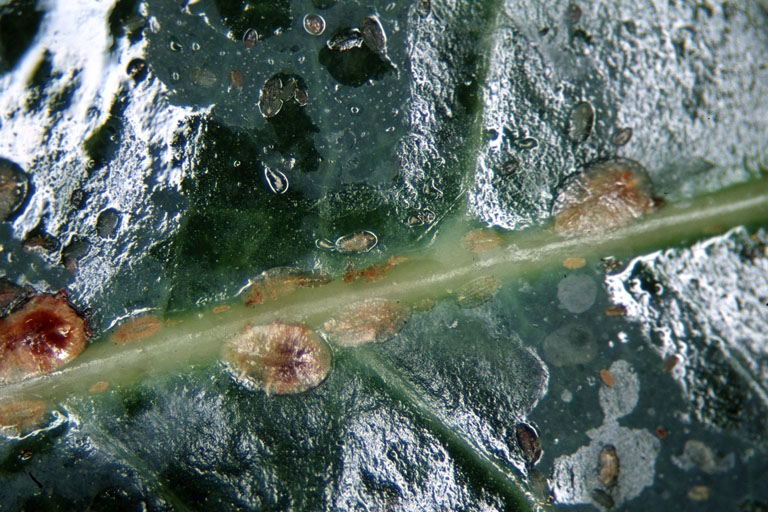
- Bumps: Scale insects are like uninvited guests that refuse to leave; they appear as bumps on stems and leaves.
- Cottony Masses: Mealybugs show up as fluffy white gatherings, like tiny insect parties on your plant.
π΅οΈββοΈ Monitoring Techniques
- Regular Check-ups: Treat your palm like a pet; give it attention and look for unwelcome visitors.
- Isolation: New plants can be Trojan horses for pests. Quarantine them before introducing them to your plant family.
- Lighting: Bugs love the dark. Ensure your palm gets its sun-kissed glow with plenty of indirect light.
- Airflow: Good circulation is the enemy of many pests. Keep the air moving to keep the bugs at bay.
Remember, if you spot one bug, there's likely a whole party you're not seeing. So, put on your detective hat and get up close and personal with your Majesty Palm.
Common Bugs Affecting Majesty Palm
π·οΈ Spider Mites
Spider mites are tiny terrorists that wreak havoc on Majesty Palms, causing yellowing and potentially killing the plant if unchecked. Webbing on leaves and fine stippling are telltale signs. Fight back with neem oil, insecticidal soap, or horticultural oil. Prevention? Mist those leaves to up the humidity and wipe them down regularly.
π Scale
Scale insects are like unwanted squatters on your Majesty Palm, showing up as bumps on leaves and stems. Kick them out by scraping them off or using neem oil and insecticidal soap. Keep these freeloaders at bay with vigilant inspections and quarantining any new plants that might bring pests.
π¦ Fungus Gnats / Fruit Flies
Fungus gnats and fruit flies are the party crashers of the plant world, swarming around the soil. Spot their larvae in the soil? It's time for sticky traps, beneficial nematodes, or a hydrogen peroxide soil drench. Prevent overpopulation by letting the soil dry out between waterings.
π Mealybugs
Mealybugs show up like white, fluffy clumps of doom on your Majesty Palm. Alcohol swabs can be your weapon of choice, or opt for neem oil and insecticidal soap. Keep these pests in check with regular inspections and immediate isolation of any infested newcomers.
π Other Common Pests
Aphids and whiteflies can also crash the Majesty Palm party. They're small but mighty, causing damage that can't be ignored. Wash them away or treat with systemic controls, but remember, gentle is keyβavoid turning your plant into a chemical war zone.
Natural Predators and Biological Control
In the battle against Majesty Palm pests, natural predators are the unsung heroes. These biological bouncers keep pest populations in check, often without a trace of their covert operations.
π Beneficial Insects
Ladybugs and lacewings are like the special forces of the garden, tackling aphids and other soft-bodied pests with gusto. Parasitic wasps are more of the sniper variety, laying eggs inside or on pests, with the emerging larvae consuming their host. It's nature's own pest control, and it's brutally effective.
Using Biological Controls
To harness these natural allies, you can introduce them to your indoor ecosystem. Purchasing predatory insects like Trichogramma wasps or predatory mites can be a game-changer. These tiny warriors seek and destroy pests like spider mites, which can wreak havoc on your Majesty Palm.
Encouraging Natural Predators
Creating an environment that's attractive to these predators is key. Avoid broad-spectrum insecticides that kill indiscriminately. Instead, focus on targeted, pest-specific interventions. Remember, a healthy plant is less appealing to pests and more appealing to their predators.
The Circle of Life
Biological control is about balance. It's not about eradicating all pests but managing them. By fostering a mini-ecosystem where natural predators can thrive, you're setting up a self-regulating pest control system. It's the circle of life, and it moves us allβespecially those pesky bugs.
Real-World Application
If you're ready to recruit some natural pest control, check with local nurseries or online for suppliers. And keep an eye out for the telltale signs of these predators at work, like the hollow shells of aphids or tiny holes in scale insects, signaling parasitic wasps have done their job. Welcome to the world of biological warfare, Majesty Palm style.
General Care Tips for Preventing Bug Infestations
Proper care is your first line of defense against pests.
π§ Watering Practices
Overwatering is a no-no; it's the fast track to root rot and a VIP invite for bugs. Water only when the top inch of soil is dry. Think of it as the plant's way of saying, "I'm thirsty," rather than "Drown me."
π Sunlight and Air Circulation
Your Majesty Palm craves sunlight like a cat craves a sunbeam. Place it in bright, indirect light to keep it basking and bug-resistant. Good air circulation is equally vital. Don't cram your palm into a corner; it's not a time-out. It needs space to breathe, reducing the risk of pest parties.
π¦ Humidity Levels
Humidity is a balancing act. Too low, and you invite spider mites; too high, and you're hosting a fungus gnat gala. Aim for that sweet spot of 40-60% humidity. If your air is drier than a stand-up comedian's wit, consider a humidifier.
π§Ή Cleanliness and Inspection
Keep it clean, folks. Wipe down leaves to prevent dust build-ups where pests plot their takeovers. Regular inspections are like neighborhood watch for your plant. Spot a bug? Show it the door before it invites friends.
πͺ Quarantine New Plants
New plants can be like sketchy roommates; they might bring unwanted guests. Quarantine them first to ensure they're not smuggling in bugs. It's not unfriendly, it's smart gardening.
Remember, a healthy plant is like a fortress. It's less likely to fall victim to pests, so keep your Majesty Palm in prime condition, and you'll spend less time playing bug bouncer.
Risks and Drawbacks of Pest Control Remedies
In the battle against bugs on your Majesty Palm, vigilance is key, but so is knowing the risks tied to your weapons of choice. Let's dive into the potential downsides of pest control remedies and how to use them without causing a plant apocalypse.
πͺοΈ Chemical Pesticides: Handle with Care
Chemical pesticides can be the nuclear option for pest control β effective but potentially hazardous. They might not discriminate between the bad bugs and the good ones, like those pollinators we all love. Plus, if you're not careful, you could end up with a toxic environment for pets, kids, and even yourself.
πΏ Natural Remedies: Not Always Gentle
Don't be fooled by the "natural" label. Products like neem oil, while less harsh than synthetic pesticides, can still cause leaf burn if applied excessively or in direct sunlight. And sure, neem oil's smell could ward off vampires, but it's not exactly a hit at plant parties either.
π· Physical Removal: Labor-Intensive and Icky
Getting up close and personal with pests by physically removing them is as fun as it sounds, which is to say, not at all. It's time-consuming and might give you the heebie-jeebies, but sometimes it's necessary to evict those freeloading insects manually.
π Environmental Impact: Think Global, Act Local
Every squirt of pesticide or dollop of insecticidal soap has a ripple effect. Overuse can lead to soil contamination and water pollution, which is like throwing a wrench into Mother Nature's workings. Always read labels and follow instructions to minimize your ecological footprint.
π± Plant Stress: No Pain, No Gain?
Even the most targeted treatments can stress your Majesty Palm, leading to leaf drop or stunted growth. It's a delicate balance between evicting pests and not sending your plant to therapy. Monitor your palm closely after treatment to ensure it's not trading bugs for bruises.
β οΈ Safety First: Gear Up
When engaging in chemical warfare, don the appropriate armorβgloves, masks, and eye protection. This isn't just for dramatic effect; it's to prevent skin irritation or other more serious health concerns.
In short, when it comes to pest control, it's all about using the right tool for the job, at the right time, and in the right amount. Go forth, plant warrior, but tread lightly and carry a big stick... or, you know, a carefully measured dose of insecticidal soap.
Remedial and Preventative Measures
π Integrated Pest Management (IPM)
Integrated Pest Management (IPM) isn't just a fancy acronym; it's your Majesty Palm's best defense against the buggy onslaught. Think of it as the Swiss Army knife of pest controlβversatile and precise. Combine cultural, biological, and chemical strategies to manage pests with minimal environmental impact.
π Regular Inspection and Early Intervention
Inspect your Majesty Palm like a hawk. Early detection is half the battle won. Find those pests before they settle in for a long, destructive vacation. Act fast with the least toxic treatment to show those bugs the door.
π« Quarantine and Treatment of New Plants
New plants can be Trojan horses for pests. Quarantine incoming greenery to prevent a full-blown bug invasion. Examine them closely and treat any freeloaders before introducing them to your plant family. Remember, it's not about being paranoid; it's about being prepared.
β οΈ Safety First
This content is for general information and may contain errors, omissions, or outdated details. It is not medical, veterinary advice, or an endorsement of therapeutic claims.
Always consult a qualified healthcare professional before using any plant as food, medicine, or supplement.
Never eat any plant (or feed one to pets) without confirming its identity with at least two trusted sources.
If you suspect poisoning, call Poison Control (800) 222-1222, the Pet Poison Helpline (800) 213-6680, or your local emergency service immediately.
Spotted an error? Please report it here.