Dealing with Bugs on Your Ginkgo biloba

Ginkgo biloba

By the Greg Editorial Team

Jul 29, 20244 min read

This article was created with the help of AI so we can cover more plants for you. May contain errors. See one? Report it here.

  1. ๐ŸŒณ Ginkgo biloba's pest resistance still needs proactive management.
  2. ๐Ÿ•ต๏ธโ€โ™‚๏ธ Early detection and monitoring are crucial for pest control.
  3. ๐Ÿ› Targeted treatments for specific pests, including Ginkgo-specific ones.

Pest Management Basics

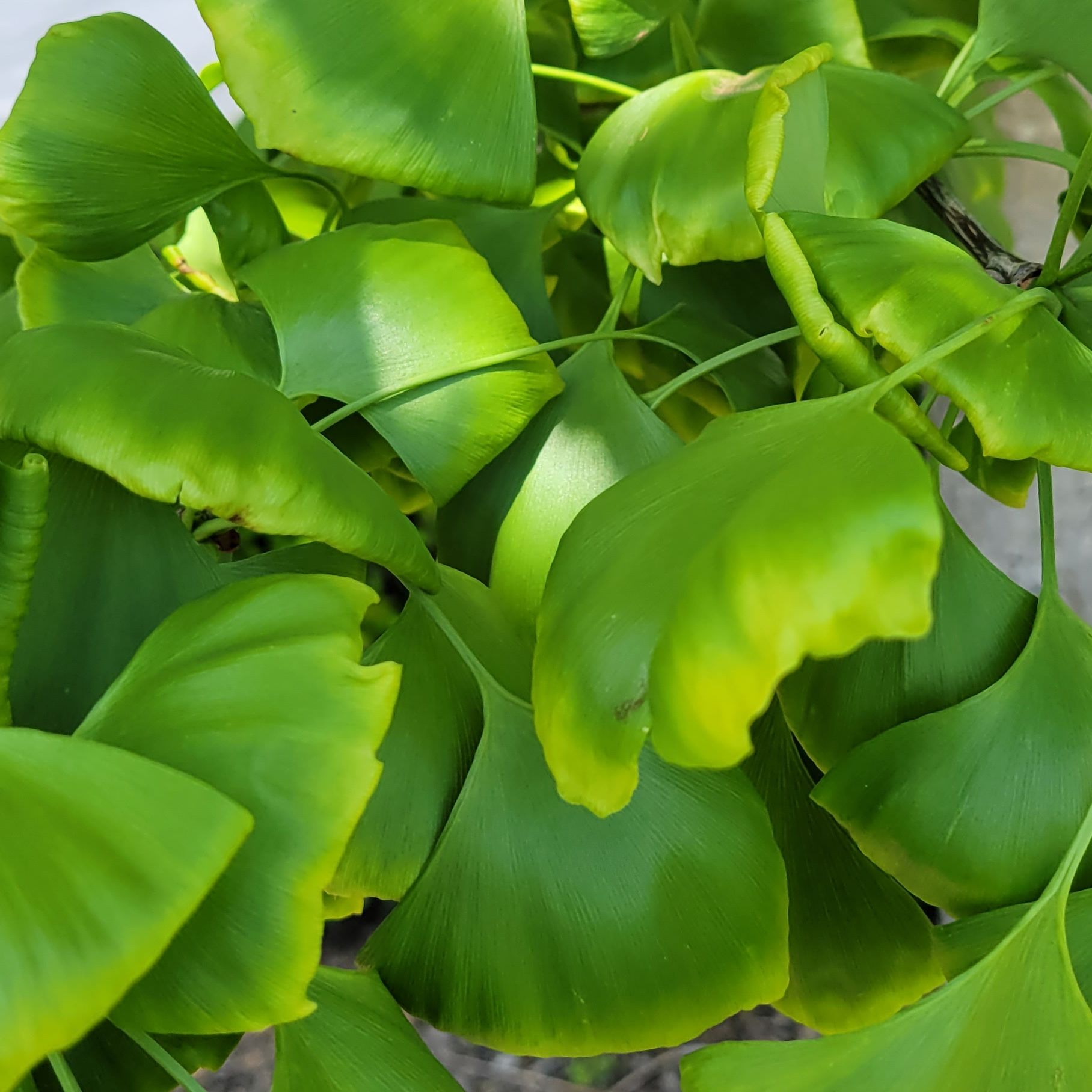
Ginkgo biloba, with its unique fan-shaped leaves, is a living fossil that generally boasts a strong resistance to pests. However, no plant is entirely immune, and understanding the basics of pest management is crucial to maintain the health of these ancient trees.

๐ŸŒฟ Embracing Integrated Pest Management (IPM) for Ginkgo biloba

Integrated Pest Management (IPM) is a holistic approach that combines various strategies for effective pest control. For Ginkgo biloba, IPM involves:

  • Regularly inspecting the trees for signs of pest activity.
  • Identifying pests accurately to ensure appropriate treatment.
  • Employing cultural practices such as proper pruning to minimize pest habitats.
  • Introducing beneficial insects that act as natural predators to pests.
  • Using chemical controls as a last resort and selecting the least harmful options.

๐Ÿ” The Importance of Early Detection and Consistent Monitoring

Early detection is key in managing pests effectively:

  • Inspect Ginkgo biloba leaves and bark regularly for any irregularities.
  • Keep a record of any findings to track pest activity and treatment efficacy.
  • Utilize tools like magnifying lenses to spot smaller pests and accurately diagnose issues.

๐Ÿฆ  Identifying Pests

Knowing what to look for helps in distinguishing between common pests:

  • Spider mites may leave fine webs and cause yellowing of leaves.
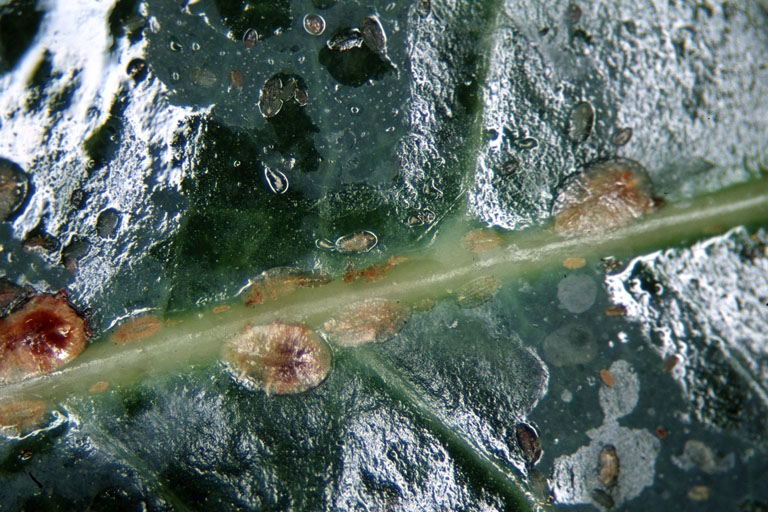
  • Scale insects appear as small bumps on stems and leaves, often accompanied by sticky residue.
  • Look for visual guides and descriptions to aid in accurate pest identification.

๐ŸŒธ Seasonal Pest Patterns

Pests can be more prevalent in certain seasons, so it's important to adjust your management strategy accordingly:

  • Monitor for increased insect activity during warmer months.
  • Be vigilant for indoor pests like fungus gnats during the winter if Ginkgo biloba is kept in a greenhouse setting.
  • Adapt your inspection and treatment schedule to match seasonal patterns.

Proactive Pest Prevention

Healthy Ginkgo biloba plants are less appealing to pests. Vigilance and plant hygiene play crucial roles in keeping bugs at bay. Here's how to fortify your Ginkgo against unwanted guests:

  • Combine resistance and prevention: Select robust plants and employ strategies that discourage pest establishment.
  • Regular inspections: Check your Ginkgo biloba frequently for early signs of infestation.
  • Cleanliness: Keep the area around your plant free of debris and fallen leaves.
  • Quarantine new plants: Isolate new additions to your garden to prevent the spread of pests.
  • Optimal growing conditions: Ensure the right soil, light, and water conditions to keep your Ginkgo robust.
  • Beneficial insects: Introduce predators like ladybugs to naturally control pest populations.

๐ŸŒฟ Environmental Considerations

Embracing eco-friendly pest control methods benefits both your Ginkgo biloba and the environment. Here's how to manage pests without harming the ecosystem:

  • Avoid chemical overuse: Use pesticides as a last resort to minimize environmental impact.
  • Biological controls: Employ natural predators and organic treatments like neem oil and insecticidal soap.
  • Cultural practices: Rotate plant locations and maintain diversity to confuse and deter pests.
  • Soil health: Use well-draining soil and organic fertilizers to promote strong plant growth without attracting pests.
  • Sanitation: Regularly clean tools and pots to prevent the spread of pests.
  • Stay informed: Keep up-to-date with sustainable pest control strategies to protect your garden and local ecosystems.

Tackling Specific Pests

๐Ÿ•ท๏ธ Spider Mites

Spider mites are tiny but mighty foes of Ginkgo biloba, weaving fine webs and causing leaf discoloration. To combat them:

  • Dislodge with a strong water spray.
  • Apply insecticidal soap or neem oil.
  • In severe cases, use miticides, following label instructions carefully.

๐Ÿ›ก๏ธ Scale Insects

Scale insects are masters of disguise, appearing as small bumps on stems and leaves. To eradicate them:

  • Use horticultural oil or organic insecticides.
  • Apply treatment precisely to protect beneficial insects.

๐ŸฆŸ Fungus Gnats and Fruit Flies

Fungus gnats and fruit flies thrive in moist soil, potentially harming young plants. For control:

  • Reduce soil moisture.
  • Use sticky traps for adults.
  • Apply Bacillus thuringiensis israelensis (BTI) for larvae.

๐Ÿ› Mealybugs

Mealybugs leave a telltale white residue and can quickly overrun a plant. To remove them:

  • Wipe with alcohol-soaked cotton swabs.
  • Spray with insecticidal soap or neem oil.
  • Introduce natural predators like ladybugs.

๐Ÿฆ— Aphids

Aphids are sap-suckers that can stunt Ginkgo biloba growth. To fend them off:

  • Blast them off with water.
  • Treat with neem oil or insecticidal soap.
  • Encourage or introduce natural aphid predators.

๐Ÿฆ‹ Whiteflies

Whiteflies, resembling tiny white moths, congregate on leaf undersides. To manage them:

  • Use yellow sticky traps.
  • Apply insecticidal soap or horticultural oil.
  • Release natural enemies like green lacewings.

๐Ÿชฒ Weevils

Weevils, particularly root weevils, can damage both foliage and roots. To combat them:

  • Pick off adults by hand.
  • Apply granular grub control for larvae.
  • Consider chemical insecticides if larvae are active.

๐ŸŒฟ Ginkgo-Specific Pests

Ginkgo biloba may attract unique pests like the Ginkgo leafminer. To handle these:

  • Monitor for unusual leaf damage.
  • Remove and destroy affected leaves.
  • Seek expert advice for specific treatment options.

โš ๏ธ Safety First

This content is for general information and may contain errors, omissions, or outdated details. It is not medical, veterinary advice, or an endorsement of therapeutic claims.

Always consult a qualified healthcare professional before using any plant as food, medicine, or supplement.

Never eat any plant (or feed one to pets) without confirming its identity with at least two trusted sources.

If you suspect poisoning, call Poison Control (800) 222-1222, the Pet Poison Helpline (800) 213-6680, or your local emergency service immediately.

Spotted an error? Please report it here.

Combat Ginkgo pests with precision ๐ŸŽฏ by using Greg's community for quick identification and custom reminders for proactive pest management!