Identifying Pests on Your Elephant Foot Plant 🐞

Beaucarnea recurvata

By the Greg Editorial Team

Oct 12, 20246 min read

This article was created with the help of AI so we can cover more plants for you. May contain errors. See one? Report it here.

Safeguard your Elephant Foot Plant from pesky invaders with expert tips for thriving health! 🌿

  1. πŸ•·οΈ Identify spider mites by fine webbing and yellowing leaves on your Elephant Foot Plant.
  2. 🐞 Regular inspections help catch pests early, preventing significant damage to your plant.
  3. 🌱 Maintain optimal conditions to keep your Elephant Foot Plant healthy and pest-resistant.

Common Pests

πŸ•·οΈ Spider Mites

Identification

Spider mites are tiny, spider-like creatures that often hide on the undersides of leaves. Look for fine webbing and stippled or yellowing leaves as telltale signs of an infestation.

Damage Caused

These pests can cause leaves to discolor and drop prematurely. If left unchecked, spider mites can lead to overall plant decline.

Treatment Options

For chemical treatment, use miticides specifically targeting spider mites. Alternatively, organic options like neem oil or insecticidal soap can be effective; increasing humidity around the plant also helps.

🐒 Scale Insects

Identification

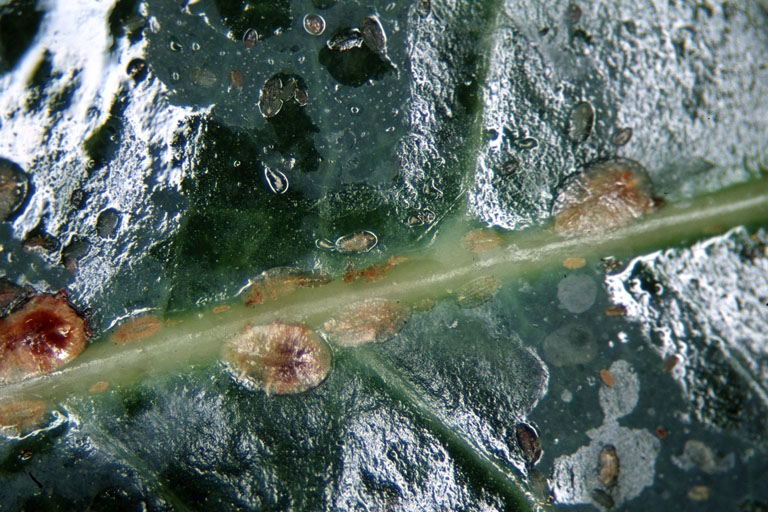
Scale insects are small, oval-shaped pests that appear as bumps on stems and leaves. Sticky leaves due to honeydew excretion are a common sign of their presence.

Damage Caused

These pests weaken the plant by sucking sap, which can stunt growth. They may also cause leaf drop and a general decline in vigor.

Treatment Options

For severe infestations, systemic insecticides are recommended. On the organic side, rubbing alcohol on a cotton swab can help remove scales, along with insecticidal soap.

πŸ› Mealybugs

Identification

Mealybugs appear as white, cottony masses often found in leaf axils and on stems. You might notice sticky residue and potential mold growth from honeydew as additional signs.

Damage Caused

Like scale insects, mealybugs sap nutrients, leading to weakened plants. This can result in leaf yellowing and eventual drop.

Treatment Options

Chemical treatments include insecticides that target soft-bodied insects. For an organic approach, neem oil or a mixture of water and dish soap can wash them off effectively.

🐜 Aphids

Identification

Aphids are small, soft-bodied insects that can be green, black, or brown. Signs include curling leaves and sticky residue, known as honeydew.

Damage Caused

These pests sap plant nutrients, leading to stunted growth and distorted leaves. They can also transmit plant viruses, making them particularly troublesome.

Treatment Options

Broad-spectrum insecticides are effective for chemical treatment. For organic solutions, consider introducing ladybugs as natural predators or using neem oil or insecticidal soap.

πŸ¦‹ Whiteflies

Identification

Whiteflies are tiny, white flying insects typically found on the undersides of leaves. Look for yellowing leaves and sticky residue as indicators of their presence.

Damage Caused

Similar to aphids, whiteflies weaken the plant and can transmit diseases. This can lead to leaf drop and reduced growth.

Treatment Options

Insecticides specifically designed for whiteflies can be effective. Alternatively, yellow sticky traps can catch adults, and insecticidal soap can help manage the infestation.

Understanding these common pests is crucial for maintaining the health of your Elephant Foot Plant. Next, we’ll explore how to enhance your plant's natural resistance to pests.

Pest Resistance

Natural Resistance 🦠

The Elephant Foot Plant boasts impressive resilience against certain pests. Its thick, waxy leaves serve as a barrier, making it harder for pests to penetrate and feed.

Additionally, the plant's robust growth habit helps it recover quickly from minor infestations. This natural toughness is a key trait that contributes to its overall health and longevity.

Less Likely Pests πŸ›

While no plant is entirely pest-proof, some common pests tend to avoid the Elephant Foot Plant. For instance, thrips and root-knot nematodes are rarely problematic for this species.

This resistance allows the plant to thrive in various conditions, making it a favorite among indoor gardeners. Understanding these less likely pests can help you focus your pest management efforts more effectively.

With this knowledge, you can appreciate the Elephant Foot Plant's unique strengths while remaining vigilant against the more common threats. Next, let’s explore effective prevention strategies to keep your plant healthy and thriving.

Prevention

πŸ›‘οΈ Preventative Measures

Keeping your Elephant Foot Plant healthy starts with regular inspections. Check for early signs of pests, as catching them early can save you a lot of trouble down the line.

Maintaining optimal growing conditions is equally crucial. A well-cared-for plant is less likely to attract pests, so ensure it has the right light, water, and nutrients.

🧼 Hygiene and Inspection Tips

Cleaning the leaves of your plant is a simple yet effective way to prevent pest infestations. Dust can harbor pests, so wipe the leaves regularly to keep them clean and healthy.

Quarantining new plants before introducing them to your collection is a smart move. This practice helps prevent any hidden pests from spreading to your established plants, keeping your garden safe.

By implementing these preventative measures, you can significantly reduce the risk of pest problems. A little diligence goes a long way in ensuring your Elephant Foot Plant thrives.

Next, let’s explore general pest management strategies that can help you tackle any issues that do arise.

General Pest Management

🌱 Integrated Pest Management (IPM)

Integrated Pest Management (IPM) is a holistic approach to pest control that combines various strategies for effective plant care. It emphasizes understanding pest life cycles and behaviors, allowing you to tackle issues before they escalate.

IPM incorporates cultural, mechanical, and biological controls. Cultural practices include maintaining optimal growing conditions, while mechanical methods might involve physical barriers or traps. Biological controls often utilize natural predators to keep pest populations in check.

πŸ” Early Detection Importance

Prompt action is crucial when you notice signs of pests on your Elephant Foot Plant. Early detection can save your plant from significant damage and decline.

To monitor effectively, regularly inspect your plant for unusual signs, such as discoloration or webbing. If you spot any pests, respond quickly by implementing your chosen treatment options. This proactive approach ensures your plant remains healthy and vibrant.

Distinguishing Similar Pests

πŸ•΅οΈβ€β™‚οΈ Visual Cues for Identification

Identifying pests accurately is crucial for effective treatment. Spider mites are tiny, often invisible to the naked eye, and typically found on the undersides of leaves. Look for fine webbing and stippled leaves as telltale signs.

In contrast, whiteflies are small, white flying insects that flutter when disturbed. They leave behind yellowing leaves and sticky residue, making them easier to spot.

πŸ” Damage Patterns

Understanding the damage patterns can also help in identification. Mealybugs create white, cottony masses, often found in leaf axils. Their sticky residue can lead to mold growth, indicating their presence.

On the other hand, aphids are soft-bodied and can be green, black, or brown. They cause curling leaves and leave a sticky honeydew, which can attract other pests.

πŸ“Š Importance of Accurate Identification

Accurate identification is essential for effective pest management. Misidentifying a pest can lead to ineffective treatments and further damage to your plant. Take the time to observe and confirm the pest type before acting.

By honing your identification skills, you empower yourself to tackle pest issues head-on. This proactive approach not only protects your elephant foot plant but also enhances your overall gardening experience.

Next, let’s explore the concept of pest resistance and how your plant naturally defends itself against certain threats.

⚠️ Safety First

This content is for general information and may contain errors, omissions, or outdated details. It is not medical, veterinary advice, or an endorsement of therapeutic claims.

Always consult a qualified healthcare professional before using any plant as food, medicine, or supplement.

Never eat any plant (or feed one to pets) without confirming its identity with at least two trusted sources.

If you suspect poisoning, call Poison Control (800) 222-1222, the Pet Poison Helpline (800) 213-6680, or your local emergency service immediately.

Spotted an error? Please report it here.

Keep your Elephant Foot Plant thriving 🌱 by using Greg's pest identification tools and timely reminders to tackle issues like spider mites and mealybugs before they take hold!