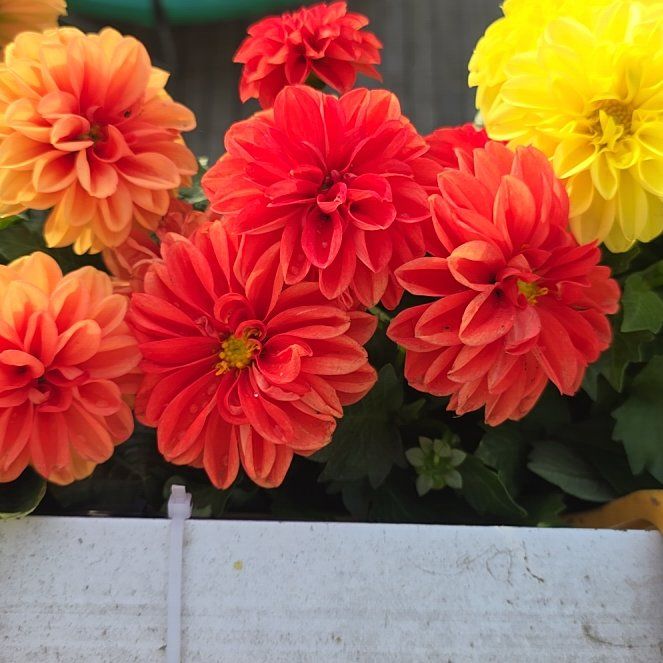
Identifying Bugs on Your Dinner Plate Dahlia 🐞

Dahlia pinnata

By the Greg Editorial Team

Oct 10, 20247 min read

This article was created with the help of AI so we can cover more plants for you. May contain errors. See one? Report it here.

  1. πŸ•·οΈ Spider mites and aphids cause yellowing leaves; early detection is crucial.
  2. 🌱 Choose pest-resistant dahlia cultivars to enhance plant health and reduce infestations.
  3. 🧼 Maintain plant hygiene and monitor growth patterns to prevent pest problems.

Common Pests

πŸ•·οΈ Spider Mites

Identification

Spider mites are tiny, spider-like creatures that often hide on the undersides of leaves. Look for fine webbing and stippled leaves as telltale signs of their presence.

Damage Caused

These pests can cause yellowing leaves and reduced plant vigor. If left untreated, they may lead to leaf drop, which can be devastating for your plants.

Treatment Options

For chemical treatment, use miticides specifically targeting spider mites. On the organic side, neem oil or insecticidal soap can be effective, and increasing humidity around your plants can help deter them.

🐞 Scale Insects

Identification

Scale insects appear as small, oval-shaped bumps on stems and leaves, often covered in a waxy coating. Their presence can be subtle, so keep an eye out for these tiny pests.

Damage Caused

They excrete honeydew, leading to sticky leaves, and weaken plants by sucking sap. This can severely impact your plant's health over time.

Treatment Options

Chemical options include systemic insecticides that penetrate the plant. For an organic approach, use rubbing alcohol on a cotton swab to remove scales or apply insecticidal soap.

🦟 Fungus Gnats / Fruit Flies

Identification

Fungus gnats are small, dark flies that hover near the soil surface. Their larvae are tiny, white, and can be found in the soil, feeding on roots.

Damage Caused

While adult flies are more of a nuisance, their larvae can lead to stunted growth by feeding on roots. This can be particularly frustrating for plant enthusiasts.

Treatment Options

For chemical control, use insecticides targeting adult flies. Alternatively, allow the soil to dry out between waterings and use yellow sticky traps to catch the adults.

❄️ Mealybugs

Identification

Mealybugs look like white, cottony masses on stems and leaves, often found in leaf axils. Their fluffy appearance can be deceiving, masking the damage they cause.

Damage Caused

They cause yellowing and wilting of leaves and can lead to sooty mold due to honeydew production. This can create an unsightly mess on your plants.

Treatment Options

Chemical treatments include systemic insecticides. For organic solutions, neem oil or insecticidal soap can work well, and manual removal with a cotton swab is effective for small infestations.

🐜 Aphids

Identification

Aphids are small, soft-bodied insects, often green or black, and are usually clustered on new growth and undersides of leaves. Their presence can be alarming if not caught early.

Damage Caused

They distort leaves and stunt growth while producing honeydew, which leads to sooty mold. This can compromise the overall health of your plants.

Treatment Options

Chemical options include insecticides specifically targeting aphids. For organic control, consider introducing ladybugs or lacewings as natural predators, or use insecticidal soap.

πŸ¦‹ Whiteflies

Identification

Whiteflies are tiny, white, moth-like insects that fly up when disturbed. They are typically found on the undersides of leaves, making them tricky to spot.

Damage Caused

These pests can cause yellowing leaves and reduced plant vigor. Like aphids, they also produce honeydew, leading to sooty mold.

Treatment Options

For chemical control, use insecticides specifically designed for whiteflies. Organic options include yellow sticky traps and insecticidal soap to manage their populations.

🐞 Weevils

Identification

Weevils are small beetles with elongated snouts, and their larvae are white and found in the soil. Their unique appearance can help in identifying them.

Damage Caused

They chew on leaves and roots, leading to significant plant stress. This can hinder growth and overall health.

Treatment Options

Chemical treatments include insecticides targeting adult weevils. For an organic approach, consider using beneficial nematodes to target larvae in the soil.

Understanding these common pests is crucial for maintaining the health of your plants. By identifying them early and employing effective treatment options, you can ensure your dinner plate dahlia thrives. Next, let’s explore pest resistance and how some cultivars can naturally fend off these invaders.

Pest Resistance

Natural Resistance 🌱

Some plant cultivars are naturally resistant to specific pests. This resilience can save you time and effort in pest management.

Strong growth habits also play a crucial role in deterring infestations. Healthy plants are less appealing to pests, making it essential to nurture your dahlia for optimal vigor.

Cultivar Selection 🌼

Choosing the right cultivars can significantly impact pest resistance. Research and select varieties known for their durability against common pests.

Consider local growing conditions and pest pressures when selecting your dahlias. This strategic choice can lead to a more robust garden.

Enhancing Plant Health πŸ’ͺ

Promoting overall plant health is vital for pest resistance. Regular watering, proper fertilization, and adequate sunlight contribute to stronger plants.

Healthy plants are not only more resistant but also more beautiful. Invest in their care to enjoy a thriving garden.

Observing Growth Patterns πŸ‘€

Keep an eye on your plants' growth patterns. Any signs of stress or decline can indicate potential pest issues.

By monitoring your dahlias closely, you can catch problems early and take action before they escalate.

Transition to Prevention πŸš€

Understanding pest resistance is just one part of the equation. Next, let’s explore effective preventative measures to keep your dahlias thriving and pest-free.

Prevention

πŸ›‘οΈ Preventative Measures

Keeping your plants healthy starts with regular inspections. Look for early signs of pests, as catching them early can save you a lot of trouble down the line.

Healthy soil and proper watering practices are crucial. They not only promote plant vigor but also create an environment less inviting to pests.

🧼 Plant Hygiene Tips

Maintaining cleanliness around your plants is essential. Remove debris and dead leaves to minimize hiding spots for pests.

Don't forget to clean the leaves regularly. Dust accumulation can attract unwanted visitors, so a quick wipe-down can make a big difference.

By staying proactive with these prevention strategies, you can enjoy a thriving garden free from pesky invaders. Next, let’s explore general pest management techniques to keep your plants flourishing.

General Pest Management

🌱 Integrated Pest Management (IPM)

Integrated Pest Management (IPM) is a holistic approach to pest control that combines cultural, biological, and chemical methods. This strategy emphasizes monitoring and identifying pests before taking action, ensuring that interventions are both effective and environmentally friendly.

πŸ” Importance of Early Detection

Regular inspections of your plants are crucial for catching infestations early. The sooner you spot a problem, the quicker you can respond, minimizing damage and preventing pests from spreading.

πŸ› οΈ Practical Steps for IPM

  1. Monitor Regularly: Check your plants weekly for any signs of pests.
  2. Identify Accurately: Use resources or apps to confirm the type of pest before treatment.
  3. Implement Control Measures: Choose the most suitable methodβ€”cultural, biological, or chemicalβ€”based on your findings.

πŸš€ Benefits of Early Detection

  • Reduced Damage: Early intervention can save your plants from severe harm.
  • Cost-Effective: Addressing issues promptly can save you money on treatments and replacements.

By adopting IPM and prioritizing early detection, you can maintain a healthy garden while minimizing the impact of pests. This proactive approach not only protects your plants but also fosters a thriving ecosystem.

Next, let’s explore how to distinguish between similar pests to ensure accurate identification and effective management.

Distinguishing Between Similar Pests

Identification Tips πŸ•΅οΈβ€β™‚οΈ

Identifying pests can be tricky, but comparing size, color, and behavior is key. Use pest pictures as a reference to ensure accurate identification.

Visual Cues πŸ”

Look for specific signs that can help you differentiate pests. For instance, sticky leaves or fine webbing indicate spider mites, while cottony masses signal mealybugs.

Scale Insects vs. Mealybugs βš–οΈ

Scale insects have a waxy coating and appear as bumps on stems, while mealybugs are fluffy and often found in leaf axils. Noticing these differences can save your plants from further damage.

Quick Reference πŸ“Š

Pest Type Key Identification Features Damage Indicators
Spider Mites Fine webbing, stippled leaves Yellowing leaves
Mealybugs Cottony masses on stems Yellowing and wilting leaves
Scale Insects Waxy bumps on stems Sticky leaves, weakened plants

By honing your observation skills, you can catch infestations early and take action. This proactive approach is essential for maintaining the health of your plants.

Transition to Next Topic πŸš€

Now that you can identify these pests, let’s explore effective pest management strategies to keep your dinner plate dahlia thriving.

⚠️ Safety First

This content is for general information and may contain errors, omissions, or outdated details. It is not medical, veterinary advice, or an endorsement of therapeutic claims.

Always consult a qualified healthcare professional before using any plant as food, medicine, or supplement.

Never eat any plant (or feed one to pets) without confirming its identity with at least two trusted sources.

If you suspect poisoning, call Poison Control (800) 222-1222, the Pet Poison Helpline (800) 213-6680, or your local emergency service immediately.

Spotted an error? Please report it here.

Keep your dinner plate dahlia thriving and pest-free 🌱 with Greg's expert pest identification and personalized care reminders that empower you to tackle any issue head-on!