What Are The Bugs on My Desert Rose Plant? ๐
Adenium obesum
By the Greg Editorial Team
Jun 14, 2024•6 min read
This article was created with the help of AI so we can cover more plants for you. May contain errors. See one? Report it here.
- Spider mites, scale, and whiteflies threaten Desert Rose plants; combat with neem oil.
- Fungus gnats and mealybugs managed with hydrogen peroxide and rubbing alcohol.
- Prevent pests with proper watering, natural predators, and regular plant inspections.
Common Bugs Affecting Desert Rose Plant
๐ท๏ธ Spider Mites
Tiny but mighty, spider mites are the ninjas of the plant pest world, often going unnoticed until their damage is done. Webbing on your Desert Rose and leaves that look like they've been in a miniature paintball war (stippling) are tell-tale signs. To send these pests packing, unleash a triple-threat of neem oil, insecticidal soap, or a good old-fashioned leaf wash. Prevention? Keep that humidity up with regular misting and give new plants a thorough once-over before they join your plant posse.
๐ก๏ธ Scale
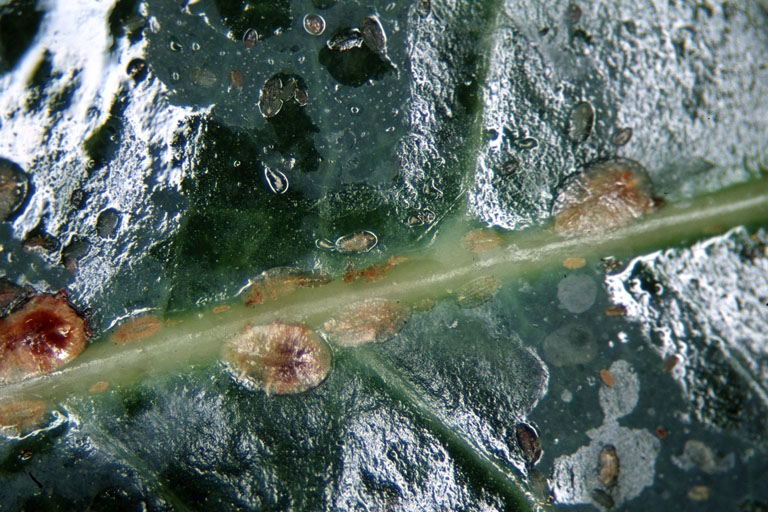
Scale insects are like the uninvited guests that stick to your Desert Rose like glueโor more accurately, like waxy bumps on its stems and leaves. If you spot these tiny squatters, it's time for an eviction notice courtesy of rubbing alcohol, horticultural oil, or by recruiting an army of ladybugs. Keep these pests at bay by playing detective with your plant and ensuring it's not stressed out (because who isn't these days?).
๐ฆ Fungus Gnats / Fruit Flies
Fungus gnats and fruit flies are the paparazzi of the plant world, buzzing around your Desert Rose like it's a celebrity. Spot their larvae in the soil or the adults flitting about? Time for a soil drench with hydrogen peroxide, sticky traps, or just cut back on the watering, will ya? Dry soil is the bane of their existenceโuse it to your advantage.
๐ Mealybugs
Mealybugs are the fluffy white nightmares giving your Desert Rose all the wrong kinds of attention. They leave cottony deposits as their calling card on stems and leaves. Fight back with rubbing alcohol, neem oil, or insecticidal soap. And remember, new plants can be Trojan horses for these pests, so keep them quarantined until you're sure they're clean.
๐ฆ Whiteflies
Whiteflies are the tiny, winged vampires of the bug world, sucking the life out of your Desert Rose. They scatter like ghosts when disturbed, but you can trap their souls with yellow sticky traps, neem oil, or by laying down some reflective mulch to mess with their navigation. And if you're feeling particularly cunning, why not recruit some parasitic wasps to do your dirty work? Just keep your growing space cleaner than a whistle.
Integrated Pest Management
Integrated Pest Management (IPM) is a holistic approach to pest control that combines cultural, biological, and chemical methods. It's about working with nature, not against it, to keep Desert Rose pests in check.
๐ฑ Cultural Practices
Sanitation is key. Keep the area around your Desert Rose free of debris and fallen leaves to prevent pests from taking up residence. Ensure the plant receives proper sunlight, water, and drainage as stressed plants are more susceptible to infestations.
๐ Biological Controls
Introduce natural predators like ladybugs or parasitic wasps to your garden to keep pest populations down. These little warriors can be your best friends in the fight against pests.
๐งช Chemical Controls
When all else fails, go for the gentle stuff. Neem oil and insecticidal soaps are your go-to options. They're effective without being nasty to the environment or your plant. Remember, use chemicals as a last resort and follow the instructions to the letter.
๐ The IPM Mantra
Prevention, observation, and intervention. Prevent issues with good practices, keep an eye out for trouble, and intervene with the least invasive methods first. It's about being proactive, not reactive.
Preventive Measures
๐ฐ Watering Discipline
Overwatering is the cardinal sin for Desert Rose care. Stick to a schedule that lets the soil dry out completely between waterings. This not only prevents root rot but also deters fungus gnats, who love dampness.
๐ Light and Temperature
These plants demand bright, indirect light and thrive in temperatures between 75 and 95 degrees Fahrenheit. Anything less is an open invitation for pests and diseases.
๐ก๏ธ Quarantine New Plants
Always quarantine new additions to your plant family. This simple step can save you from a full-blown infestation.
๐งน Cleanliness is Key
Use clean pots and fresh, well-draining soil. A cactus or succulent mix does the trick. Remember, pests and diseases are like bad roommates; they love a messy space.
๐ Inspect and Groom
Regularly inspect your Desert Rose for unwelcome guests. Pruning isn't just about aesthetics; it's about removing potential pest hideouts. And yes, sterilize those pruning toolsโthink surgeon clean.
๐ Environmental Stability
Avoid shocking your plant with sudden environmental changes. Stability is the name of the game for keeping your Desert Rose stress-free and less susceptible to bugs.
๐จ Humidity and Airflow
While Desert Roses don't require high humidity, ensure there's good air circulation. Stagnant air is a breeding ground for trouble.
๐ฝ๏ธ Go Easy on the Fertilizer
Too much love can be a bad thing. Over-fertilizing can attract pests like aphids and mealybugs. Feed your Desert Rose sparingly.
๐ฑ Reflective Mulch and Sticky Traps
For those persistent pests like whiteflies, reflective mulch can disorient them, and sticky traps will stop them in their tracks.
๐ Embrace the Predators
Introduce natural predators like ladybugs and parasitic wasps. They're the bouncers at the club, keeping the riff-raff out.
By adhering to these measures, you'll not only prevent bug infestations but also promote a thriving Desert Rose that's as tough as nails.
Potential Damage Caused by Bugs
In the battle for Desert Rose supremacy, bugs are the silent saboteurs. These tiny critters can unleash chaos on your plant, from the sap-sucking antics of aphids to the leaf-chomping gusto of caterpillars. ๐ท๏ธ Spider mites weave their demise with fine webbing, while scale insects armor up, clinging to stems and leaves like miniature, waxy invaders.
๐ฆ The Sap-Sucking Brigade
Aphids, mealybugs, and scale insects are the vampires of the plant world, draining the life forceโsapโfrom your Desert Rose. This theft of vital fluids can lead to stunted growth, yellowing leaves, and a general decline in plant vigor. If you're not vigilant, honeydew, the sticky byproduct of their feasting, can also encourage sooty mold growth, further compromising the plant's health.
๐ Leaf and Stem Damage
Caterpillars and beetles don't just nibbleโthey can decimate foliage, turning lush leaves into lacework. The damage isn't just cosmetic; it impairs photosynthesis, the plant's energy-making process, and can eventually lead to its demise.
๐ Fungal and Bacterial Gateways
Every tiny bite or puncture is an open door for fungal and bacterial infections. Overwatering may already have your Desert Rose on the back foot, but add pests to the mix, and you've got a recipe for rot and disease.
๐ฏ The Domino Effect
Unchecked bug populations don't just affect one plant; they're on a conquest. They'll migrate to your other indoor greenery, spreading damage and disease. It's not just about saving one Desert Rose; it's about protecting your indoor oasis.
๐ก The Bottom Line
Effective pest management isn't just about preserving the aesthetics of your Desert Rose; it's about safeguarding its very existence. Regular inspections and prompt treatment can mean the difference between a thriving plant and a botanical casualty.
โ ๏ธ Safety First
This content is for general information and may contain errors, omissions, or outdated details. It is not medical, veterinary advice, or an endorsement of therapeutic claims.
Always consult a qualified healthcare professional before using any plant as food, medicine, or supplement.
Never eat any plant (or feed one to pets) without confirming its identity with at least two trusted sources.
If you suspect poisoning, call Poison Control (800) 222-1222, the Pet Poison Helpline (800) 213-6680, or your local emergency service immediately.
Spotted an error? Please report it here.