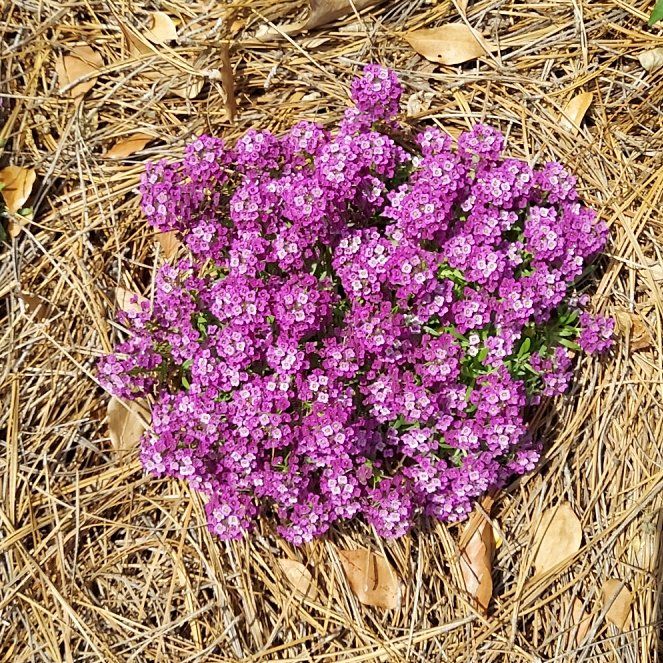
Best Tips for Handling Pests on Creeping Red Thyme πŸ›

Thymus serpyllum 'Coccineus'

By the Greg Editorial Team

Jan 08, 20256 min read

This article was created with the help of AI so we can cover more plants for you. May contain errors. See one? Report it here.

  1. 🐜 Common pests like spider mites and aphids threaten Creeping Red Thyme; identify them early!
  2. 🌱 Healthy plants resist pests better; ensure proper care with water, light, and nutrients.
  3. πŸ§ͺ Organic treatments like neem oil effectively manage pests without harsh chemicals.

Common Pests

πŸ•·οΈ Spider Mites

Identification

Spider mites are tiny, spider-like creatures that can be red or green. Look for fine webbing on leaves and stippled or yellowing foliage as signs of their presence.

Damage Caused

These pests feed on plant sap, leading to weakened plants and reduced growth. If left untreated, they can severely impact the health of your Creeping Red Thyme.

Treatment Options

For chemical control, use miticides specifically targeting spider mites. Organic options include neem oil, insecticidal soap, and increasing humidity around your plants to deter these pests.

🐜 Aphids

Identification

Aphids are small, soft-bodied insects that are typically green or black. They leave sticky leaves (honeydew) and cause curled or distorted new growth.

Damage Caused

These sap-sucking pests can stunt growth and potentially transmit diseases to your plants. Their presence can quickly lead to a decline in plant health.

Treatment Options

For severe infestations, systemic insecticides are effective. Alternatively, you can introduce ladybugs, use neem oil, or apply insecticidal soap for a more organic approach.

πŸ¦‹ Whiteflies

Identification

Whiteflies are tiny, white, moth-like insects found on the undersides of leaves. Look for yellowing leaves, honeydew deposits, and sooty mold as indicators of their activity.

Damage Caused

These pests feed on sap, causing leaf drop and weakening your plants. Their feeding habits can lead to significant stress on your Creeping Red Thyme.

Treatment Options

Chemical insecticides specifically targeting whiteflies can be effective. For organic control, consider using yellow sticky traps, insecticidal soap, or introducing natural predators like parasitic wasps.

❄️ Mealybugs

Identification

Mealybugs appear as white, cottony masses on stems and leaves. They can cause sticky leaves, wilting, and even promote sooty mold growth.

Damage Caused

These pests extract sap, leading to weakened plants and reduced vigor. If not managed, they can significantly impact the overall health of your Creeping Red Thyme.

Treatment Options

For severe infestations, systemic insecticides are recommended. Alternatively, you can apply rubbing alcohol, neem oil, or insecticidal soap for organic control.

🐞 Scale Insects

Identification

Scale insects are characterized by small, hard, shell-like bumps on stems and leaves. You may also notice yellowing leaves, sticky residue, and sooty mold.

Damage Caused

These pests suck sap from your plants, leading to stress and potential death if left untreated. Their presence can be detrimental to the health of your Creeping Red Thyme.

Treatment Options

Chemical treatments include horticultural oils and systemic insecticides. For organic methods, consider manual removal, neem oil, or insecticidal soap.

πŸ› Weevils

Identification

Weevils are small beetles with elongated snouts. They leave holes in leaves and can cause potential root damage.

Damage Caused

These pests feed on both leaves and roots, leading to plant decline. Their feeding habits can severely affect the vitality of your Creeping Red Thyme.

Treatment Options

Insecticides targeting adult weevils are effective for chemical control. For organic solutions, beneficial nematodes can help control larvae, along with manual removal of adult weevils.

With a solid understanding of these common pests, you can take proactive steps to protect your Creeping Red Thyme. Next, let’s explore how to enhance your plants' natural resistance to pests.

Pest Resistance

🌱 Natural Resistance

Creeping Red Thyme is a resilient plant, thanks in part to its natural oils and robust growth. These oils not only give the plant its aromatic fragrance but also serve as a deterrent to many pests.

Certain pests tend to shy away from Creeping Red Thyme due to its unique properties. For instance, spider mites and aphids are less likely to infest this hardy herb, making it a great choice for gardeners looking to minimize pest problems.

By choosing Creeping Red Thyme, you’re not just adding flavor to your dishes; you’re also selecting a plant that naturally resists some common garden nuisances. This resilience can save you time and effort in pest management, allowing you to enjoy your gardening experience more fully.

In the next section, we’ll explore effective prevention strategies to keep your Creeping Red Thyme thriving and pest-free.

Prevention

πŸ›‘οΈ Preventative Measures

Keeping an eye on your Creeping Red Thyme is crucial for preventing pest infestations. Regular monitoring allows you to catch any issues early, ensuring your plants remain healthy and vibrant.

Healthy plants are less susceptible to pests, so invest time in proper care. This includes providing adequate water, sunlight, and nutrients to promote robust growth.

🧼 Plant Hygiene Tips

Maintaining cleanliness is key to pest prevention. Always clean your gardening tools and pots to avoid transferring pests from one plant to another.

Additionally, make it a habit to inspect your plants regularly for early signs of infestation. Catching pests before they establish themselves can save you a lot of trouble down the line.

By implementing these preventive measures, you can enjoy a thriving Creeping Red Thyme garden, free from unwanted pests. Up next, we’ll explore the concept of pest resistance and how it plays a role in keeping your plants healthy.

General Pest Management

🌱 Integrated Pest Management (IPM)

Integrated Pest Management (IPM) is a holistic approach that combines cultural, biological, and chemical practices to manage pests effectively. By understanding the life cycles and behaviors of pests, you can make informed decisions that minimize damage while promoting a healthy garden.

IPM emphasizes prevention and monitoring, allowing you to address pest issues before they escalate. This strategy not only protects your Creeping Red Thyme but also supports the ecosystem by reducing reliance on harsh chemicals.

πŸ‘€ Early Detection

Timely intervention is crucial in pest management. Implementing regular monitoring strategies can help you catch infestations early, preventing widespread damage.

Keep a record of pest activity to identify patterns and trends. This proactive approach empowers you to act swiftly, ensuring your plants remain healthy and vibrant.

Distinguishing Between Similar Pests

Visual Characteristics 🌿

Identifying pests accurately is crucial for effective treatment. For instance, aphids are small, soft-bodied insects that can be green or black, often found clustered on new growth. They leave behind a sticky residue known as honeydew, which can attract other pests.

In contrast, mealybugs are recognized by their white, cottony masses on stems and leaves. They also produce honeydew but are more likely to cause wilting and sooty mold growth due to their sap-sucking habits.

Importance of Accurate Identification πŸ”

Understanding the differences between these pests can save your Creeping Red Thyme from unnecessary damage. Accurate identification ensures that you choose the right treatment method, whether chemical or organic.

Misidentifying a pest can lead to ineffective treatments, wasting time and resources. So, take a moment to observe your plants closely; it can make all the difference in maintaining their health and vigor.

With this knowledge, you're better equipped to tackle any pest issues that arise, keeping your Creeping Red Thyme thriving. Next, let’s explore some effective prevention strategies to keep these pests at bay.

⚠️ Safety First

This content is for general information and may contain errors, omissions, or outdated details. It is not medical, veterinary advice, or an endorsement of therapeutic claims.

Always consult a qualified healthcare professional before using any plant as food, medicine, or supplement.

Never eat any plant (or feed one to pets) without confirming its identity with at least two trusted sources.

If you suspect poisoning, call Poison Control (800) 222-1222, the Pet Poison Helpline (800) 213-6680, or your local emergency service immediately.

Spotted an error? Please report it here.

Keep your Creeping Red Thyme thriving and pest-free 🌱 with Greg's personalized care reminders and pest identification features that empower you to tackle infestations early!


#Thymus

5 posts on Greg
Browse #Thymus