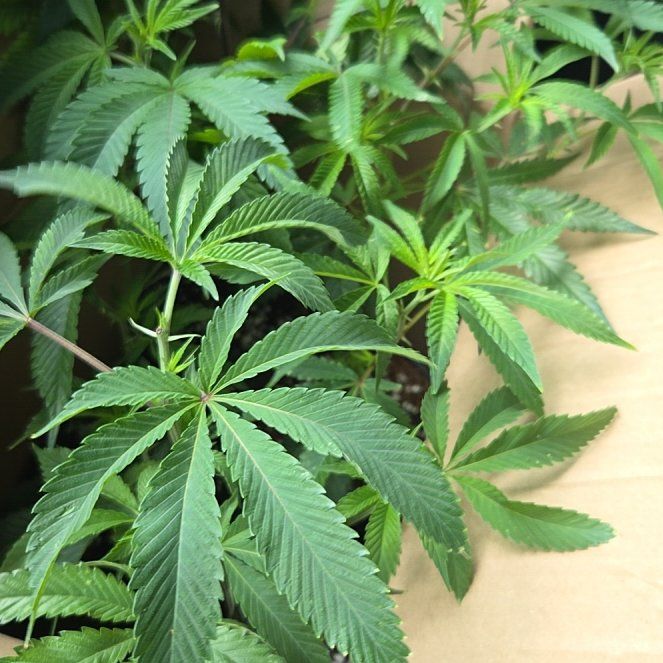
Dealing with Bugs on Your Cannabis 🐞

Cannabis sativa

By the Greg Editorial Team

Oct 17, 20247 min read

This article was created with the help of AI so we can cover more plants for you. May contain errors. See one? Report it here.

  1. πŸ› Identify common pests like spider mites and aphids for effective cannabis care.
  2. 🌱 Regular inspections help catch infestations early, preventing major damage.
  3. 🌿 Use integrated pest management for a holistic approach to pest control.

Common Pests

πŸ•·οΈ Spider Mites

Identification

Spider mites are tiny, often red or green, and can be spotted as small dots on your cannabis leaves. Look for fine webbing on the undersides of leaves and stippling on the leaf surfaces as key signs of their presence.

Damage Caused

These pests can cause significant damage, leading to yellowing leaves and reduced vigor. In severe cases, you might even see leaf drop, which can be alarming for any grower.

Treatment Options

For chemical solutions, consider using miticides specifically designed to target spider mites. If you prefer organic methods, neem oil, insecticidal soap, and introducing predatory mites can be effective alternatives.

🐜 Aphids

Identification

Aphids are small, pear-shaped insects that can be green or black. You’ll often find them in clusters on new growth, and their presence can lead to sticky leaves due to honeydew secretion.

Damage Caused

These pests can cause curling leaves and stunted growth. They also pose a risk of transmitting plant viruses, which can complicate your cultivation efforts.

Treatment Options

Systemic insecticides are a chemical option for tackling aphids. For an organic approach, insecticidal soap, neem oil, and introducing ladybugs can help keep their numbers in check.

πŸ¦‹ Whiteflies

Identification

Whiteflies are tiny, moth-like insects that appear white and take flight when disturbed. Look for yellowing leaves and honeydew accumulation as signs of an infestation.

Damage Caused

These pests weaken plants and reduce photosynthesis, which can stunt growth. They may also spread diseases, making them a serious concern for growers.

Treatment Options

Insecticides specifically targeting whiteflies are available for chemical control. Organic methods include using yellow sticky traps, insecticidal soap, and introducing parasitoids to manage their population.

πŸ› Mealybugs

Identification

Mealybugs are recognizable by their white, cottony masses found on stems and leaf joints. Sticky leaves and potential sooty mold growth are also indicators of their presence.

Damage Caused

These pests can cause wilting and yellowing leaves, leading to stunted growth. Their feeding habits can severely impact the health of your plants.

Treatment Options

For chemical control, systemic insecticides can be effective against mealybugs. Alternatively, rubbing alcohol application, neem oil, and introducing beneficial insects can provide organic solutions.

🐒 Scale Insects

Identification

Scale insects appear as small, hard, shell-like bumps on stems and leaves. You may notice honeydew and sooty mold on affected areas as well.

Damage Caused

These pests weaken the plant, leading to leaf drop and reduced growth. Their feeding can significantly impact your cannabis plants' overall health.

Treatment Options

Horticultural oils and systemic insecticides are chemical options for managing scale insects. Organic methods include manual removal, insecticidal soap, and introducing natural predators.

🦟 Fungus Gnats

Identification

Fungus gnats are small, dark flies that hover near the soil. Their larvae can be seen in the soil, causing root damage.

Damage Caused

These pests can lead to wilting plants, yellowing leaves, and even root rot. Their presence can be particularly concerning for young plants.

Treatment Options

Insecticides targeting larvae can help control fungus gnats chemically. For organic solutions, allowing the soil to dry out, using beneficial nematodes, and employing sticky traps can be effective.

🐞 Weevils

Identification

Weevils are small beetles characterized by their elongated snouts. Look for holes in leaves and potential larvae in the soil as signs of infestation.

Damage Caused

These pests can cause significant leaf damage, stunted growth, and root damage. Their feeding habits can compromise the health of your cannabis plants.

Treatment Options

Chemical control involves using insecticides targeting adult weevils. For an organic approach, handpicking, beneficial nematodes, and diatomaceous earth can help manage their population.

Understanding these common pests is crucial for maintaining healthy cannabis plants. By identifying them early and employing effective treatment options, you can protect your plants and ensure a thriving garden. Next, let’s explore pest resistance and how cannabis naturally defends itself against certain pests.

Pest Resistance

🌿 Natural Resistance

Cannabis plants have a unique ability to resist certain pests, primarily due to their resin production. This sticky substance not only enhances flavor and potency but also acts as a natural deterrent against pests like spider mites and aphids.

The resin contains compounds that can repel or even harm these unwanted visitors. This natural defense mechanism is a great asset for growers looking to minimize chemical interventions while still maintaining healthy plants.

🦠 Less Likely Pests

While cannabis can attract a variety of pests, some are less likely to cause significant problems. For instance, pests like lacewings and certain beetles tend to avoid cannabis due to its resinous nature.

Additionally, pests such as thrips and certain types of caterpillars are not commonly found on cannabis plants. Understanding which pests are less likely to invade can help growers focus their efforts on more pressing threats, ensuring a healthier garden overall.

With this knowledge, you can cultivate a more resilient cannabis garden, setting the stage for effective pest management strategies. Next, let’s explore some preventative measures to keep your plants thriving.

Prevention

πŸ›‘οΈ Preventative Measures

Maintaining healthy plants is your first line of defense against pests. Strong, vigorous plants are less attractive to insects, so focus on providing optimal growing conditions.

Companion planting can also play a crucial role. By strategically placing certain plants together, you can naturally deter pests and attract beneficial insects that help keep your cannabis safe.

🧼 Plant Hygiene Tips

Regular cleaning of your growing area is essential. Wipe down tools and surfaces to eliminate any lingering pests or diseases.

Don't forget to remove dead plant material and debris. This not only reduces hiding spots for pests but also promotes better air circulation around your plants.

πŸ” Regular Inspection Routines

Inspect your plants weekly for any signs of trouble. Early detection can save you a lot of headaches down the line.

Key areas to check include the undersides of leaves and the soil surface. These spots are often where pests like to hide, so stay vigilant!

By implementing these preventative measures, you can create a healthier environment for your cannabis plants and significantly reduce the risk of pest infestations. Next, let’s explore general pest management strategies to keep your plants thriving.

General Pest Management

🌱 Integrated Pest Management (IPM)

Integrated Pest Management (IPM) is a holistic approach to pest control that’s especially relevant for cannabis cultivation. It combines various strategiesβ€”cultural, mechanical, biological, and chemicalβ€”to create a balanced ecosystem that minimizes pest issues.

Cultural controls involve practices like crop rotation and selecting pest-resistant strains. Mechanical methods include traps and barriers, while biological controls utilize natural predators to keep pest populations in check. Chemical controls should be a last resort, used judiciously to avoid harming beneficial insects.

πŸ” Early Detection and Intervention

Monitoring your plants regularly is key to effective pest management. Establish a routine inspection schedule, ideally weekly, to catch any signs of trouble early.

Look for unusual spots, discoloration, or webbing on leaves. Addressing pest issues promptly can prevent small infestations from escalating into major problems, saving you time and resources in the long run.

By staying vigilant and proactive, you can maintain a healthy cannabis garden that thrives despite potential pest challenges. This approach not only protects your plants but also enhances your overall cultivation experience.

Distinguishing Between Similar Pests

πŸ•΅οΈβ€β™‚οΈ Identification Tips

Identifying pests accurately is crucial for effective management. For instance, aphids are small, pear-shaped insects, often green or black, while mealybugs present as white, cottony masses on stems and leaf joints.

Look closely at their behavior too. Aphids tend to cluster on new growth, whereas mealybugs are more solitary, often hiding in crevices.

πŸ‘€ Visual Cues

Visual signs can be your best allies in pest identification. Aphids leave behind sticky leaves due to honeydew, while mealybugs can cause sooty mold growth on affected areas.

Pay attention to the overall plant health. Curling leaves often signal aphid infestations, while wilting and yellowing may indicate mealybug damage.

Understanding these differences not only helps in pest control but also enhances your overall cannabis cultivation experience. With this knowledge, you can act swiftly and effectively, ensuring your plants thrive.

⚠️ Safety First

This content is for general information and may contain errors, omissions, or outdated details. It is not medical, veterinary advice, or an endorsement of therapeutic claims.

Always consult a qualified healthcare professional before using any plant as food, medicine, or supplement.

Never eat any plant (or feed one to pets) without confirming its identity with at least two trusted sources.

If you suspect poisoning, call Poison Control (800) 222-1222, the Pet Poison Helpline (800) 213-6680, or your local emergency service immediately.

Spotted an error? Please report it here.

Keep your cannabis plants pest-free 🌿 with Greg's tailored tips and pest identification tools that empower you to tackle any unwanted visitors effectively!