πŸ› What To Do About Bugs on My Calla Lily?

Zantedeschia aethiopica

By the Greg Editorial Team

Jun 08, 20246 min read

This article was created with the help of AI so we can cover more plants for you. May contain errors. See one? Report it here.

Calla lily
  1. Spider mites and scale threaten Calla Lilies; combat with neem oil or soap.
  2. Fungus gnats, fruit flies, mealybugs: Use traps, alcohol, or hydrogen peroxide.
  3. Prevent pests with regular maintenance, proper watering, and beneficial predators.

Common Bugs Affecting Calla Lily

πŸ•·οΈ Spider Mites

Tiny but mighty, spider mites wreak havoc on Calla Lilies, leaving behind a telltale sign: webbing. These pests cause stippling on leaves, a clear distress signal from your plant. Combat them with neem oil or insecticidal soap, and keep the air moist. Prevention? Regular misting and a thorough inspection of any new plants can save you a headache.

🦟 Scale

Scale insects are masters of disguise, appearing as small, waxy bumps on your Calla Lily. They're immobile but their damage isn't. If you spot these pests, it's manual removal time. Horticultural oil can help, and ladybugs are nature's pest control. Keep pests at bay by inspecting plants before purchase and keeping your plant's living area clean.

🦟 Fungus Gnats / Fruit Flies

Fungus gnats and fruit flies are the uninvited guests of the plant world, signaling their presence with tiny, dark bodies. They love moist soil a bit too much. Sticky traps, beneficial nematodes, or a hydrogen peroxide soil drench can show them the door. Overwatering is their welcome mat; remove it by using well-draining soil.

πŸ› Mealybugs

Mealybugs look like someone dropped tiny pieces of cotton on your plant. They're not just an eyesore; they're harmful. Spot them? Reach for the rubbing alcohol or insecticidal soap. Neem oil is also effective. Keep these pests from spreading their cottony chaos by isolating new plants and keeping a vigilant eye during regular inspections.

πŸ¦— Additional Common Pests

Aphids and thrips are like the annoying neighbors of the bug world, always popping up where they're not wanted. They'll typically crash on the undersides of leaves or stems. Show them the door with targeted remedies and preventative measures, ensuring your Calla Lily remains the serene sanctuary it's meant to be.

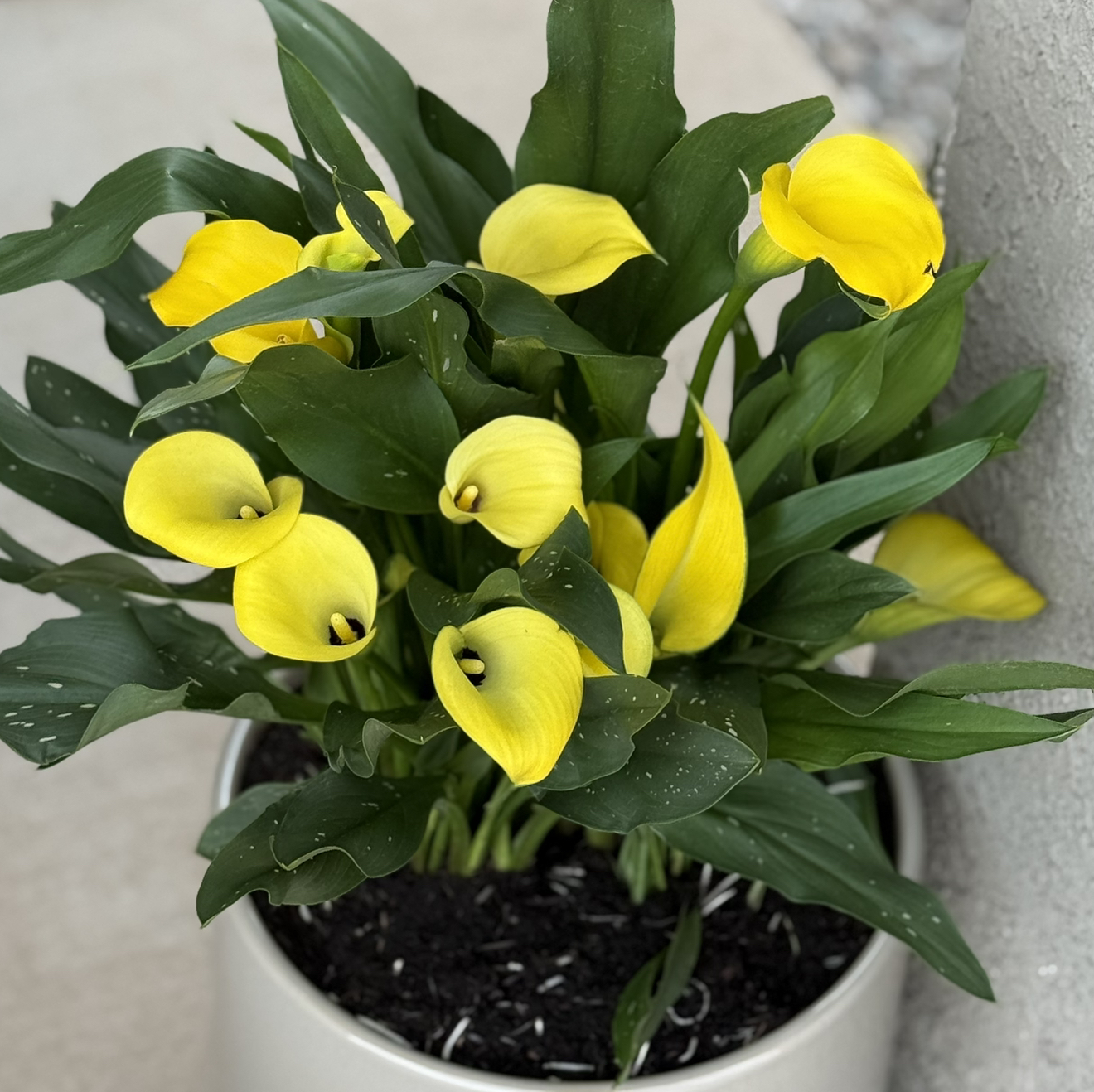
Close-up view of a vibrant, healthy Calla Lily plant with glossy green arrow-shaped leaves and no visible signs of discoloration or damage.

Potential Damage Caused by Pests

Pests can wreak havoc on Calla Lilies, from unsightly marks to severe plant decline. Let's dive into the gritty details.

πŸ•·οΈ Spider Mites

These tiny critters can cause stippling on leaves, leaving your Calla Lilies looking like they've been part of a miniature paintball war. If left unchecked, they can severely weaken the plant.

🦟 Scale Insects

Scale can be stealthy, but their damage isn't. They suck the life out of stems and leaves, causing yellowing and leaf drop. It's like they're throwing a party on your plant, and the Calla Lily definitely isn't invited.

🦟 Fungus Gnats / Fruit Flies

Fungus gnats are more than just annoying. Their larvae feast on roots, leading to stunted growth and a plant that's more drama queen than queen of the garden.

🐞 Mealybugs

Mealybugs are the uninvited guests that leave a mess behind, in the form of cottony masses. They can quickly turn your plant from fab to drab, sapping its vigor.

πŸ¦— Aphids and Thrips

These pests are like the gossipers of the bug world, spreading disease as they flit from plant to plant. They can cause distortion and discoloration, ruining the Calla Lily's aesthetic.

Effective pest management is crucial, not just for the plant's looks but for its very survival. It's about being a plant warrior, not just a plant worrier.

Healthy Calla Lily plant with lush green spotted leaves and a single pink flower blooming from the center, in a blue ceramic pot.

Integrated Pest Management

Integrated Pest Management (IPM) is the strategic blend of techniques to tackle pests on your Calla Lily without going overboard on the chemicals. It's about being smart and sustainableβ€”a bit like a chess game with bugs.

🌱 Cultural Control

Keep it clean, folks. Regular maintenance is your first line of defense. This means removing dead leaves, avoiding waterlogged soil, and ensuring your plants aren't packed together like sardinesβ€”airflow is your friend.

🐞 Biological Control

Introduce some natural predators to the mix. Ladybugs aren't just cute; they're aphid-eating machines. Lacewings and parasitic wasps also get a thumbs-up for keeping the pest population in check.

πŸ§ͺ Chemical Control

When you've got to bring out the big guns, opt for the least toxic options first. Neem oil and insecticidal soaps are like bouncers at the clubβ€”they're tough on pests but gentle on your plants. And remember, timing is everything. Don't just spray willy-nilly; know your enemy and strike when they're most vulnerable.

🌿 Environmental Modification

Modify the environment to deter pests. Overcrowding is a no-go. Improve air circulation and keep those leaves dry. Think of it as setting up a less inviting party for pests.

πŸ› οΈ Mechanical and Physical Controls

Get hands-on and pick off those pesky bugs when you see them. Sticky traps are like flypaper for fungus gnatsβ€”simple but effective.

πŸ‘€ Regular Monitoring

Keep a watchful eye. Regular inspections are non-negotiable. Catching an infestation early can mean the difference between a minor annoyance and a full-blown bug apocalypse.

πŸ’£ Chemicals as a Last Resort

If all else fails and you're reaching for chemicals, remember: they're not just bad for bugs, they're bad for us too. Use them sparingly, and only after you've tried everything else. It's about being a responsible plant parentβ€”not a trigger-happy exterminator.

Healthy calla lily plant with large, glossy green leaves growing in a pot. No signs of discoloration or disease.

Preventative Measures

In the battle against bug infestations on Calla Lily plants, the best offense is a good defense. Here's how to fortify your floral bastions.

🌿 Plant Hygiene

Keep it clean, folks. Dirt isn't just a country songβ€”it's a breeding ground for pests. Regularly remove dead leaves and debris, and clean your tools after each use. It's like washing your hands but for plants.

πŸ’§ Watering Wisdom

Overwatering is the root of all evilβ€”or at least root rot and pests. Check the soil's moisture before giving your Calla Lily a drink. If it's damp, hold off on the H2O. Remember, thirsty plants are better than drowned ones.

πŸ•΅οΈ Inspection Intuition

New plants can be Trojan horses for pests. Quarantine them for a couple of weeks and play detective. Look for any signs of infestation before introducing them to your plant family.

🌬️ Environment Engineering

Create a utopia for your Calla Lilies and a dystopia for pests. Ensure proper air circulation and avoid late-night water parties that leave the foliage wet and vulnerable. A happy plant is a healthy plant.

🌱 Soil Selection

Don't skimp on the dirt. Use a sterile potting mix to avoid unwanted guests. Think of it as a gated community for your Calla Lily's roots.

🐞 Natural Allies

Embrace the circle of life. Introduce beneficial predators like ladybugs to keep the aphids in check. It's like having your own garden bouncers.

🌿 Repellent Regimen

Neem oil isn't just a trendβ€”it's a plant's BFF. A weekly spritz can deter a whole host of pests. Plus, it's like giving your plant a spa day.

Remember, vigilance is key. Keep an eye out for trouble, and your Calla Lilies will thank you with their stunning blooms and pest-free existence.

⚠️ Safety First

This content is for general information and may contain errors, omissions, or outdated details. It is not medical, veterinary advice, or an endorsement of therapeutic claims.

Always consult a qualified healthcare professional before using any plant as food, medicine, or supplement.

Never eat any plant (or feed one to pets) without confirming its identity with at least two trusted sources.

If you suspect poisoning, call Poison Control (800) 222-1222, the Pet Poison Helpline (800) 213-6680, or your local emergency service immediately.

Spotted an error? Please report it here.

Keep your Calla Lilies blooming 🌸 and bug-free with Greg's custom care reminders and expert community tips for early pest detection and prevention.