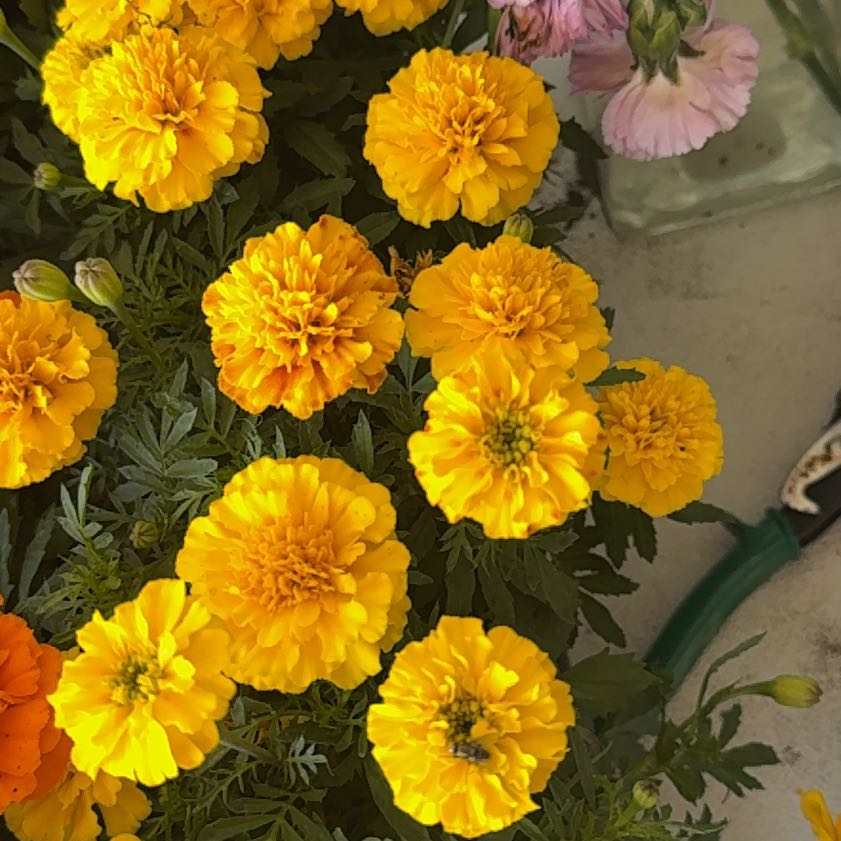
๐ What Are The Bugs on My African Marigold?
Tagetes erecta
By the Greg Editorial Team
Jun 14, 2024•10 min read
This article was created with the help of AI so we can cover more plants for you. May contain errors. See one? Report it here.
Safeguard your African Marigolds ๐ผ from pests and ensure a thriving garden with these expert tips!
- Identify pests early to effectively manage African Marigold health.
- Natural controls preferred for spider mites, scale, and mealybugs.
- Preventive practices like proper watering and sanitation are key.
Identifying Common Pests on African Marigold
๐ท๏ธ Spider Mites
Tiny but mighty, spider mites are a gardener's nemesis. Check for fine webbing on leaves, a telltale sign. If you spot minuscule dots beneath the foliage, you've got company.
๐ก๏ธ Scale Insects
Scale insects are masters of disguise, masquerading as harmless bumps on stems and leaves. Their presence can be confirmed by the sticky honeydew they leave behind.
๐ฆ Fungus Gnats and Fruit Flies
If you're overzealous with the watering can, you might see fungus gnats or fruit flies. These pests love moist soil, so keep an eye on your watering habits.
๐ Mealybugs
Mealybugs look like tiny cotton swabs but are far from harmless. They cluster in crevices and under leaves, sapping the life out of your marigolds.
๐ฆ Aphids
Aphids are the clingy friends of the insect world, latching onto the undersides of leaves and stems. They're small, greenish, and always overstaying their welcome.
๐ Additional Culprits
Don't overlook Japanese beetles and slugs, which leave behind chewed leaves, making your marigolds look like Swiss cheese.
Remember, the first step in pest control is knowing your enemy. Keep your eyes peeled and your marigolds will thank you.
Battling Spider Mites
Spider mites are tiny terrorists that can wreak havoc on your African Marigold. Here's how to show them who's boss.
๐ Spot the Enemy
First, know your adversary. Spider mites are minuscule, but the damage they cause is anything but. Look for telltale signs like webbing, yellowing, or browning leaves.
๐ฟ Go Natural or Go Home
Insecticidal soaps and neem oil are your green ammo against these pests. They're effective and less harsh on your plants. Spray liberally, and don't forget the underside of leaves where these critters love to hide.
๐ฟ Shower Power
Give your plants a regular shower with room temperature water to knock the mites off their feet. It's like a spa day for your Marigold, but a nightmare for mites.
๐งช DIY Warfare
Mix up a homemade miticide. Ground cinnamon, cloves, garlic, and a dash of dish soap in water can create a concoction that mites can't stand. Apply every three days for two weeks and watch them perish.
๐ฆ Bring in the Reinforcements
Sometimes you need to call in the cavalry. Predatory mites like Phytoseiulus persimilis are natural predators that can help you in the battle. Just make sure you're not simultaneously using other treatments that could harm these allies.
โฃ๏ธ Chemical Strike
If you're dealing with a full-blown invasion, it might be time for the big guns. Products like Captain Jack's Dead Bug Brew or Dr Doom can be effective, but use them as a last resort. Remember, with great power comes great responsibilityโfollow the instructions to the letter.
๐งน Keep It Clean
Prevention is better than cure. Regularly clean your plant area to avoid giving these pests a place to settle. And if you're cutting your losses, clean thoroughly before bringing in new plants to avoid a sequel.
๐ Stay Vigilant
Keep an eye out for those pesky mites. Regular checks and prompt action can save your African Marigold from becoming a mite metropolis. Stay sharp, stay prepared, and may the odds be ever in your favor.
Controlling Scale Insects
๐ Understanding the Enemy
Scale insects are sneaky critters, with a knack for setting up shop on your African Marigold's foliage and stems. These pests come in two main varieties: the soft scale, which exudes a sticky honeydew, and the hard scale, which is covered by a protective shell.
๐ฟ Non-Pesticide Control
Encourage predators like ladybirds and parasitoid wasps; these natural allies love to feast on scale insects. If you spot scale, you can physically remove them with a gentle scrape of the fingernail or a soft brush. For a more hands-off approach, consider applying double-sided tape around stems to catch the young crawlers.
๐ Pesticide Use
When the going gets tough, the tough get spraying. But remember, timing is everything. Target the newly hatched nymphs in July for the best results. Opt for organic sprays like pyrethrum or plant oils, which are less harmful to your garden's good guys. And for the love of bees, don't spray flowering plants.
๐ฑ Horticultural Oils
Horticultural oils are the ninjas of pest controlโsilent and deadly, at least to scale insects. They work by suffocating the pests under a thin film. Apply as needed, but always check the label for safety precautions and application rates.
๐ธ Alcohol Treatment
If you're feeling hands-on, a dab of isopropyl alcohol on a cotton swab can dispatch scales with a quickness. Just be sure to treat the plant for ants too, as they're often scale's partners in crime.
๐ต๏ธ Preventive Measures
Keep an eye out for scale with regular inspections. A magnifying glass can help spot these tiny pests before they become a big problem. And remember, a healthy African Marigold is your best defense against these and other garden villains.
Eradicating Fungus Gnats and Fruit Flies
Fungus gnats and fruit flies can turn your African Marigold haven into a buzzing nuisance. Here's how to send these pests packing.
๐ซ Immediate Actions
Yellow sticky traps are your first line of defense. They're like flypaper for the Instagram eraโgnats can't resist the color. Place them around your marigolds to catch the adults and reduce breeding.
๐ฑ Soil Treatment
Sand isn't just for beaches. A layer on your potting soil blocks gnats from laying eggs. It's a waiting game, but in about a month, your gnat woes should subside.
๐ฆ Biological Warfare
Unleash Bacillus thuringiensis (Bti) on those larvae. It's the microbial equivalent of a Trojan horse, decimating gnat populations from within. Add Mosquito Dunks crumbled on the soil and watch the larvae count drop.
๐ง Dry Them Out
Let the soil dry between waterings. Gnats love moisture like cats love cardboard boxesโeliminate it, and they'll move on. Just don't let your marigolds wilt.
๐ฟ Hydrogen Peroxide: The Fizz that Whizzes
Mix one part hydrogen peroxide with four parts water. It's like a science fair volcano for gnatsโfizzy and lethal to larvae.
๐ Diatomaceous Earth: The Tiny Tumbler
Sprinkle diatomaceous earth on the soil. It's the microscopic equivalent of rolling in glass for gnats. It's effective but can be a bit messy, so handle with care.
๐ Vinegar Traps: The DIY Classic
A concoction of apple cider vinegar and dish soap in a jar is the old-school way to trap fruit flies. It's like a wine tasting gone wrong for them.
๐งน Keep It Clean
Finally, cleanliness is next to gnatlessness. Remove dead leaves and debris to avoid attracting these uninvited guests.
Remember, it's about being proactive and persistent. Show those gnats and fruit flies that your African Marigolds are a no-fly zone.
Managing Mealybug Infestations
๐ Spotting the Culprits
Mealybugs are the bane of African Marigold enthusiasts. Look for the telltale white, cottony masses on the undersides of leaves and stems. These pests suck the life out of your plants, leaving behind yellowed foliage and stunted growth.
๐จ Immediate Action
Upon discovery, isolate the affected plant. This prevents the mealybugs from throwing a party on your other green friends. Swipe them off with a damp cloth or a cotton swab dipped in alcohol. It's like hand-to-hand combat, but you're fighting for your plant's life.
๐ Natural Predators
Release beneficial insects, such as ladybugs or lacewings, into your garden. They're like the special ops of the insect world, taking down mealybugs with precision.
๐งผ Insecticidal Soap
Apply insecticidal soap with a vengeance, ensuring you coat those pests thoroughly. It's like sending a wrecking ball through their fluffy white homes.
๐ก๏ธ Persistent Measures
If the infestation is more stubborn than a mule, consider using neem oil or a systemic insecticide. Follow the label instructions like a treasure map that leads to a mealybug-free Xanadu.
๐ฟ Prevention
Prevention is key. Keep your African Marigolds healthy with proper watering and fertilization, because a strong plant is like a fortress against pests. Regularly inspect your plants, as vigilance is the shield that guards the realm of marigolds.
Preventing Aphid Attacks
Aphids can turn your African Marigold's summer into a real bummer. Prevention is your first line of defense. Regularly inspect your plants for the early signs of aphid colonizationโdistorted growth, sticky residue, or a battalion of ants marching up and down the stems.
๐ฑ Cultural Practices
Keep your marigolds vigorous; stressed plants attract these sap-sucking pests. Ensure optimal watering, avoid nitrogen-heavy fertilizers, and prune any yellowing leaves to deter aphids. Companion planting with calendula, also known as pot marigold, can act as a natural insecticide, potentially keeping aphids at bay.
๐ฟ Physical Removal
If you spot aphids, sometimes a strong blast from your garden hose can knock the invaders off their feetโliterally. For a more hands-on approach, don a pair of gloves and wipe them off the leaves.
๐ฟ Natural and Chemical Controls
When it comes to sprays, you've got options. Neem oil and insecticidal soaps are the go-to for many gardeners, effective yet gentle on your marigolds. For a DIY solution, mix water with a few drops of dish soap and neem oil. Spray in the cooler parts of the day to avoid leaf burn.
For those who prefer a set-it-and-forget-it method, systemic products like Bayer Rose & Flower can be applied to the soil, providing protection for up to three months. Remember, though, always read the labelโyour marigolds will thank you.
๐ Biological Warfare
Nature has its own pest control squad. Introduce beneficial insects like ladybugs or lacewings to your garden, and they'll munch on aphids like candy. Just don't expect them to stick around without a steady food source.
๐ Regular Monitoring
Stay vigilant. Regular checks and prompt action can prevent a full-scale aphid invasion. After all, it's easier to deal with a few stragglers than a full-blown occupation. Keep your eyes peeled and your marigolds will continue to be the showstoppers of your garden.
Tailored Preventative Strategies for African Marigold
๐ง Cultural Practices
Proper watering is crucial. Water your African marigolds early in the day to avoid fungal nightmares. Ground-level soaking trumps overhead sprinkling, keeping those leaves dry and disease-free.
๐ Sunlight and Fertilization
Sun worship is in for marigolds; they need a full day's bask to keep pests at bay. Less is more when it comes to fertilizerโoverfeeding leads to lush leaves but shy blooms.
๐ฟ Container Gardening
For potted marigolds, pick a hefty container to anchor their lofty ambitions. Mix in granular fertilizer for a nutrient boost without going overboard.
โ๏ธ Pruning and Deadheading
Get snippy with your marigolds. Pinch back for bushier growth and deadhead to encourage blooming. It's a flower's version of a haircut, and they love it.
๐ชฐ Pest-Specific Strategies
Deploy yellow sticky traps to snag adult fungus gnats. For slugs and snails, crushed eggshells around the plant base are your DIY barrier.
๐ Crop Rotation and Planting
Mix it up! Crop rotation and planting marigolds away from previous infestations can reduce pest interest. Think of it as giving pests the slip.
๐งน Sanitation
Keep it clean. Remove plant debris and maintain a tidy garden to deter pests. It's like housekeeping, but for plants.
๐ผ Natural Insecticides
Embrace calendula, the marigold's cousin, as a natural pest deterrent. It's like having a bodyguard that also beautifies your garden.
Remember, vigilance is key. Keep an eye out for pests and act swiftly. Your marigolds will thank you with vibrant blooms.
โ ๏ธ Safety First
This content is for general information and may contain errors, omissions, or outdated details. It is not medical, veterinary advice, or an endorsement of therapeutic claims.
Always consult a qualified healthcare professional before using any plant as food, medicine, or supplement.
Never eat any plant (or feed one to pets) without confirming its identity with at least two trusted sources.
If you suspect poisoning, call Poison Control (800) 222-1222, the Pet Poison Helpline (800) 213-6680, or your local emergency service immediately.
Spotted an error? Please report it here.