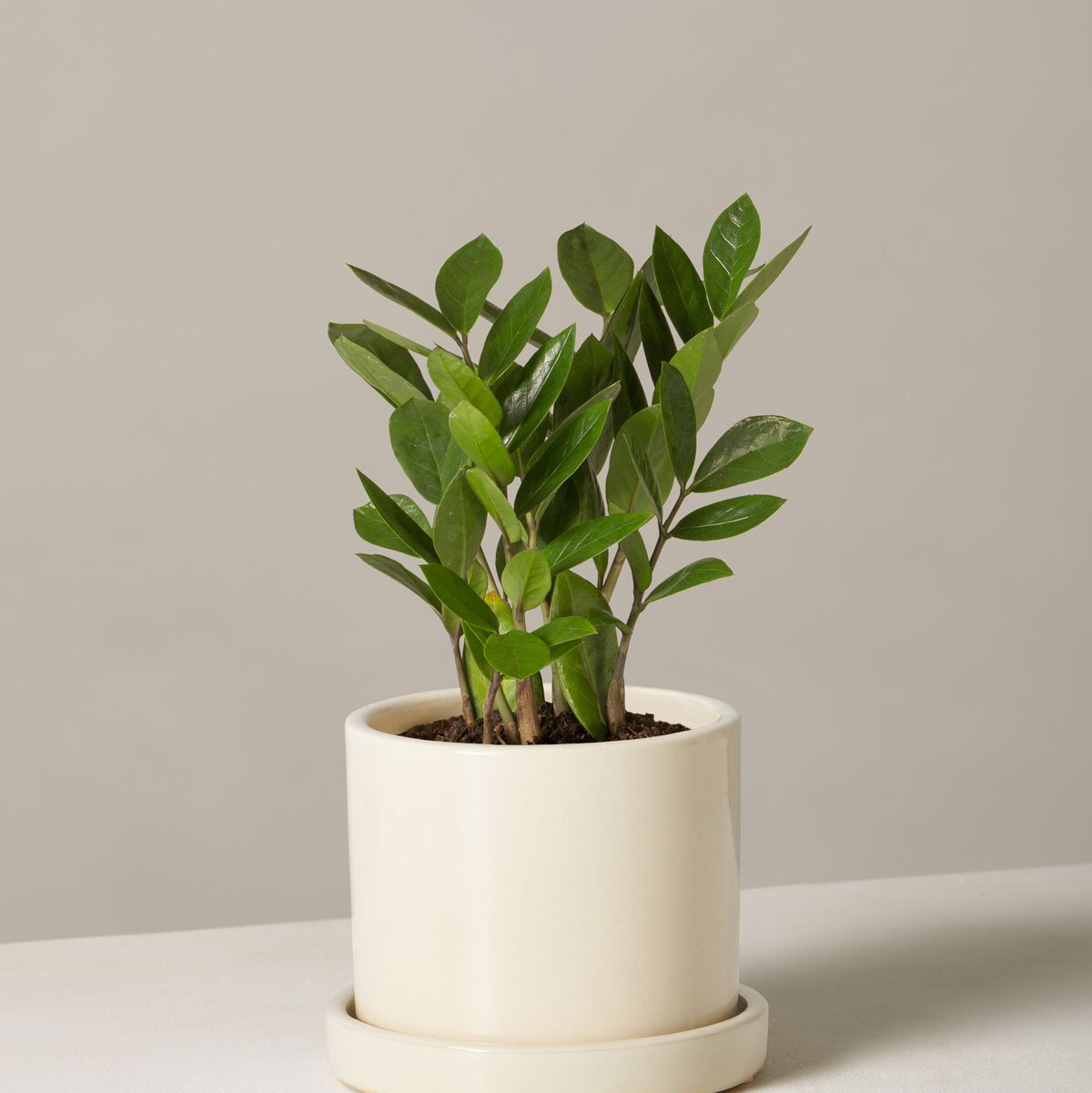
Best Pot for ZZ Plant
What Size Pot Does a ZZ Plant Need?
ZZ Plant grows from chunky underground rhizomes that store water like a battery. These rhizomes take up significant space in the pot, so when sizing up you need room for both the rhizomes and the roots beneath them.
Because the rhizomes hold so much water, a pot that's too large is risky. Extra soil stays wet long after you water, and the rhizomes sitting in that moisture will rot. Aim for a pot just 1–2 inches wider than the spread of the rhizome cluster.
At mature size (up to 100 cm tall by 90 cm wide), a ZZ Plant will be comfortable in a 12–14 inch pot. Slow growers like this one don't need frequent repotting, so don't rush to size up.
What Material Pot Is Best for ZZ Plant?
ZZ Plant grows from plump underground rhizomes that already hold a reserve of water, making it one of the most drought-tolerant houseplants you can own. The roots are highly sensitive to overwatering, so the container needs to drain completely and allow the soil to dry out thoroughly between waterings.
Because excess moisture around the rhizomes leads to rot quickly, this plant benefits most from a pot that releases water fast and does not trap humidity near the root zone. Erring toward a smaller container rather than a larger one helps keep the soil from staying wet too long.
ZZ plants store water in their thick, potato-like roots, so they actually prefer drying out completely between waterings. That means every pot material on the spectrum works, from fast-drying fabric to slow-drying metal.
Faster-drying materials like fabric and unglazed ceramic are forgiving if you tend to overwater. Slower materials like plastic and glazed ceramic work just as well, but you will want to wait longer between waterings to let the soil dry through.
Since ZZ plants are almost always grown indoors, metal pots are perfectly fine. There is no direct sun to heat them up, so root temperature stays comfortable.

Does My ZZ Plant Need Drainage Holes?
Yes, drainage holes are essential for ZZ Plant. The rhizomes are extremely susceptible to rot when they sit in standing water. Even a small amount of water pooling at the bottom of a pot can cause the rhizomes to soften and decay within a few weeks.
If you want to use a decorative pot without holes, place the nursery pot inside it and always remove and empty the decorative pot after each watering. Never let the inner pot sit in collected water.
When Should I Repot My ZZ Plant?
ZZ Plant is a slow grower, so you won't need to repot often. Most established plants are happy in the same container for 2–3 years. Spring is the best time to repot because the plant is starting its active growing season and will recover from root disturbance quickly.
When you do repot, the clearest sign is rhizomes visibly pushing up out of the soil or pressing against the sides of the pot. You may also notice the pot cracking or becoming misshapen as the rhizomes expand outward.
Handle the rhizomes carefully when repotting. They're firm and healthy when light tan to white, and soft and discolored when rotting. Remove any mushy rhizomes before replanting in fresh, well-draining potting mix.
When Can I Plant My ZZ Plant in the Ground?
ZZ Plant can grow in the ground in USDA zones 9b through 13b, where temperatures rarely drop below 25–30°F. In frost-free climates, it makes an attractive, low-maintenance landscape plant in part shade.
For most of the US, ZZ Plant should stay in a pot year-round as a houseplant. It has no cold tolerance and even a light frost will damage or kill the above-ground stems. The rhizomes may survive a mild frost underground, but it's not worth the risk.
Got More Questions?
About This Article
