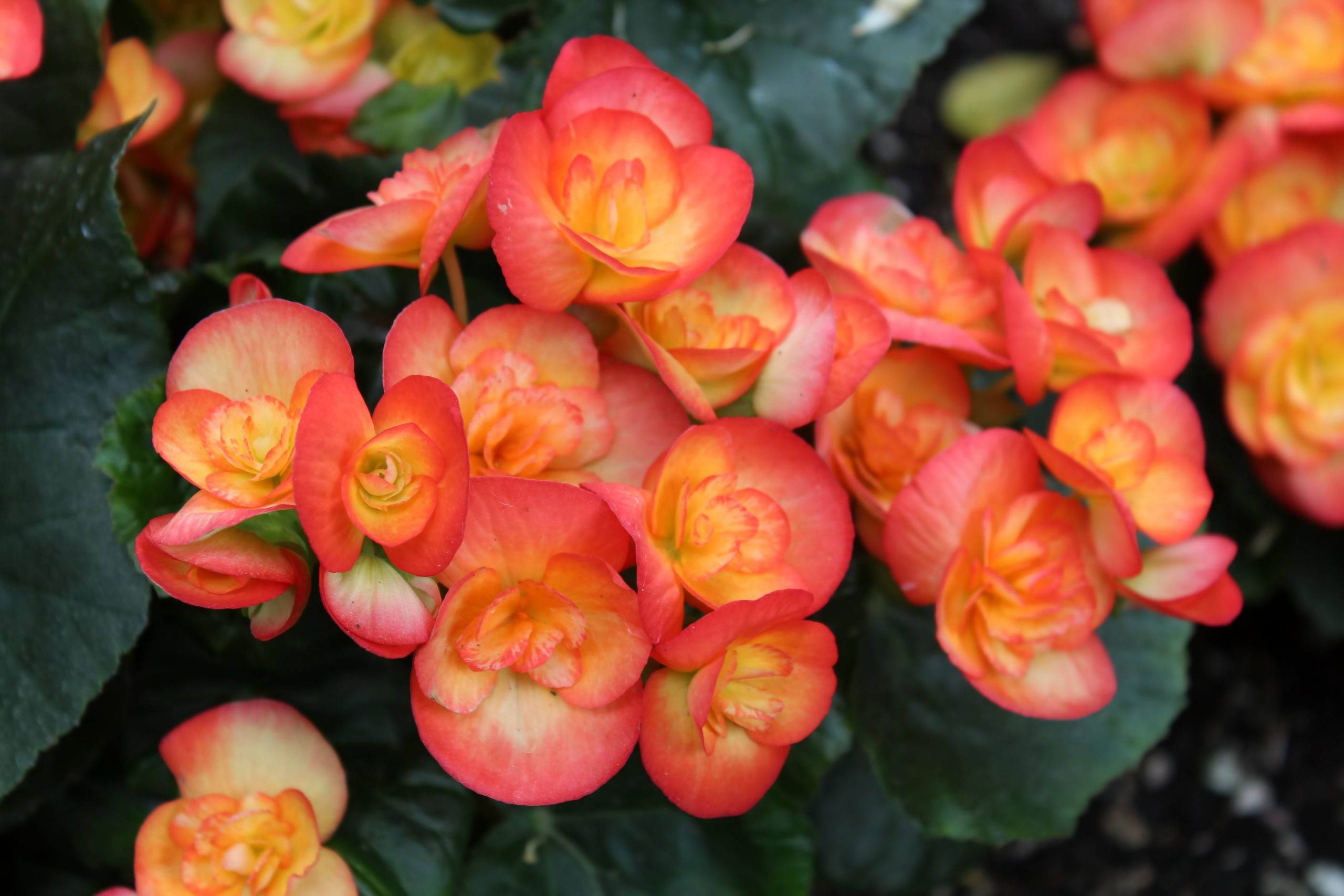
Best Pot for Tuberous Begonia
What Size Pot Does a Tuberous Begonia Need?
Tuberous Begonia has a compact, shallow root system anchored by its tuber. The roots spread outward rather than downward, so a wide, relatively shallow container suits them better than a tall, narrow pot.
For a single tuber, start with a pot 2 inches wider than the tuber diameter. For trailing varieties in hanging baskets, a 10–12 inch basket gives enough room for a full display without excess soil. Avoid overcrowding multiple tubers in one small pot, as poor airflow around the foliage encourages fungal diseases.
Go up in pot size as the plant fills in, but there's no need for anything larger than 12 inches for most container-grown tuberous begonias.
What Material Pot Is Best for Tuberous Begonia?
Tuberous Begonias grow from tubers that hold energy reserves, but unlike true bulbs they do not store much water, so the shallow root system still depends on consistent soil moisture. The roots prefer a container that keeps the soil evenly damp without allowing water to pool, especially around the tuber itself.
Because the roots stay close to the surface, a pot that does not hold excessive heat or dry out too rapidly gives them the stable, moist environment they need. Good drainage prevents the tuber from rotting while keeping the fine feeder roots adequately hydrated.
Tuberous begonias store energy in their underground tubers, and those tubers need consistent moisture to stay plump and healthy. That rules out fabric pots, which dry out too fast and can leave the tubers shriveled between waterings.
Glazed ceramic, plastic, and even metal all work well here. Since begonias prefer shade, overheating is rarely a problem, so metal is safe. Unglazed ceramic and wood are solid middle-ground choices that breathe a little while still holding enough water.

Does My Tuberous Begonia Need Drainage Holes?
Yes, always. The tuber is highly prone to rot, and even a brief period of waterlogged conditions can cause it to soften and collapse. Drainage holes let you water freely without worrying about pooling.
For hanging baskets, choose a basket liner that drains freely and never hang it in a spot where the basket can accumulate rainwater without draining. When overwintering the tuber, it should be stored completely dry in a cool place, out of any soil.
When Should I Repot My Tuberous Begonia?
Tuberous Begonias go dormant in winter, which is the natural time to lift the tubers, clean them off, and store them dry before replanting in fresh mix in spring. This annual cycle means you're essentially repotting every year when you start them back up in late winter or early spring.
Set the tuber hollow-side up in fresh, moist potting mix in late winter, about 8–12 weeks before your last frost date. Use a well-draining mix and resist watering heavily until you see new growth emerging from the top of the tuber.
If you keep begonias as year-round houseplants without dormancy (possible in heated indoor settings), watch for the roots filling the container and move up one size in spring.
When Can I Plant My Tuberous Begonia in the Ground?
Tuberous Begonias can be planted in the ground after all frost has passed in USDA zones 9a through 11b, where winters are mild enough for the tubers to survive year-round. In those areas they can be left in the ground but benefit from being lifted and stored in exceptionally wet winters.
In zones 8 and cooler, plant them outdoors after your last frost date and treat them as seasonal annuals. Lift the tubers before the first fall frost, let them dry, and store them in a cool, dry place over winter for replanting next spring.
Got More Questions?
About This Article
