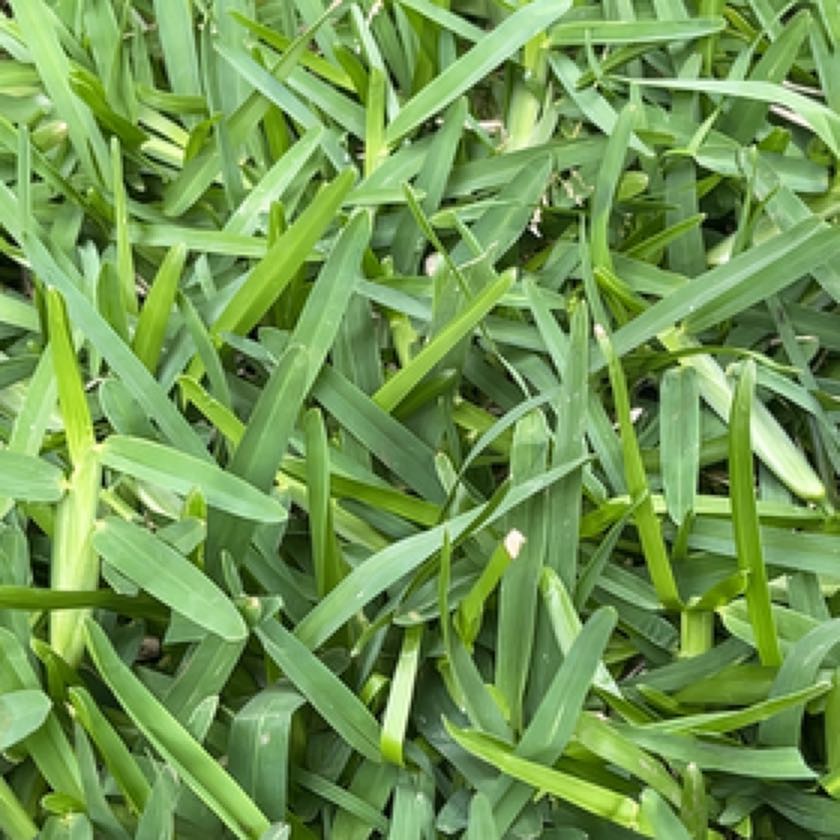
St. Augustine Grass is best grown in a wide, shallow pot or trough with generous drainage. Choose a container at least 12 inches wide and 6 inches deep, using a breathable material like fabric or unglazed ceramic. This grass spreads by stolons, so width matters more than depth.
What Size Pot Does St. Augustine Grass Need?
St. Augustine Grass spreads horizontally through stolons, so a wide, shallow container works best. A trough, window box, or broad bowl shape gives the runners room to creep. Depth only needs to be about 6-8 inches since the roots are relatively shallow.
For a small ornamental display, start with a pot at least 12 inches wide. For a more substantial patch, a long planter or raised bed is a better fit. The grass will fill any container it is given, so choose the size based on how much coverage you want.
Avoid tall, narrow pots. The deep soil at the bottom will stay wet while the shallow root zone at the top dries out, creating an uneven moisture profile that invites fungal problems.
Starter plug or sod piece12–16" wide, 6" deep trough
Small ornamental patch18–24" wide planter
Patio lawn or border36"+ long trough or raised bed
What Material Pot Is Best for St. Augustine Grass?
St. Augustine Grass roots need even moisture and good airflow to stay healthy. The shallow root system sits close to the surface, so the soil dries from the top first. A breathable pot material helps the whole root zone dry evenly rather than staying wet at the bottom.
Since this grass lives outdoors in full sun, the pot also needs to handle heat without cooking the shallow roots near the walls.
Dries fastest → Slowest
Best for St. Augustine Grass
Fabric
Excellent airflow and even drying for shallow roots. Great for raised bed style planters.
Unglazed Ceramic
Breathes well and keeps roots cool. A wide terracotta trough is a solid choice.
Wood
Natural insulation and breathability. Raised wood planters are a popular way to grow grass on patios.
Glazed Ceramic
Holds moisture a bit longer, which can help on hot days. Make sure drainage is generous.
Plastic
Lightweight and affordable for long troughs. Can overheat in direct sun, so lighter colors are better.
MetalOVERHEATS
Gets dangerously hot in the full sun this grass needs, and the shallow roots have nowhere to escape the heat.
St. Augustine Grass has shallow, spreading roots that do best in wide, breathable containers. Fabric and wood raised planters are popular choices for growing grass on patios and balconies. Unglazed ceramic troughs also work well, keeping roots cool while allowing good airflow.
Avoid metal containers. This grass needs full sun, and metal heats up quickly in direct light. Those shallow roots have nowhere to escape the heat, which can scorch them on hot summer days.
Stay on top of plant care
Get seasonal reminders for watering and fertilizing — personalized for your plants.
Yes. St. Augustine Grass needs consistent moisture but its shallow roots are vulnerable to fungal disease if they sit in water. Good drainage lets you water freely without worrying about waterlogging the root zone.
If using a trough or raised bed, make sure the bottom has multiple drainage holes spaced every 6-8 inches. In containers without holes, drill your own before planting.
When Should I Repot My St. Augustine Grass?
St. Augustine Grass is not typically repotted the way houseplants are. Instead, you refresh the planting by dividing and replanting every one to two years when the stolons become matted and the soil compacted.
Do this in late spring or early summer when the grass is growing most actively. Pull out the grass, break up the old soil, refill with fresh potting mix, and replant healthy sections of stolon. Discard any brown or mushy patches.
Use a well-draining potting mix blended with some sand. The grass needs a loose, airy root zone that does not compact over time.
Signs It's Time to Repot
Grass looks thin and patchy despite good sun and water
Stolons are matted and layered on top of each other
Soil is hard and compacted, water pools on the surface
Brown patches appear that do not respond to watering
When Can I Plant My St. Augustine Grass in the Ground?
St. Augustine Grass thrives in the ground in zones 8a through 11b and is one of the most common warm-season lawn grasses in the southern United States. Plant sod or plugs in late spring through summer when soil temperatures are consistently above 65 degrees F.
Outside these zones, St. Augustine Grass cannot survive winter freezes and is not practical as a permanent lawn. Container growing is really only useful for small ornamental displays or patio greenery in warm climates. In cold climates, consider it a seasonal annual or look for a cold-hardy grass instead.
Got More Questions?
Can I grow St. Augustine Grass in a pot without drainage holes?
No. Without drainage, the shallow root zone stays waterlogged and fungal diseases will take hold quickly. Always use a container with holes or drill your own.
How do I know if my container is too big for St. Augustine Grass?
Bigger is generally better for this grass since it spreads by runners. The main concern is depth. If the container is deeper than 8-10 inches, fill the bottom with gravel to reduce the soil column and prevent waterlogging below the roots.
Can I grow St. Augustine Grass indoors?
No. This grass needs full sun and outdoor conditions to thrive. It will thin out and die without at least 6-8 hours of direct sunlight per day. Keep it outside on a patio, balcony, or deck.
Why is my container St. Augustine Grass turning brown?
In a pot, the most common causes are underwatering (the shallow roots dry out fast in summer), compacted soil, or not enough sunlight. Check that water penetrates the root zone and that the pot gets full sun.
How often should I water St. Augustine Grass in a pot?
More often than in the ground. Container soil dries out faster, especially in sun. Water when the top inch of soil feels dry, which may be daily in hot weather. Do not let the soil dry out completely.
Stay on top of plant care
Get seasonal reminders for watering and fertilizing — personalized for your plants.
Kiersten Rankel holds an M.S. in Ecology & Evolutionary Biology from Tulane University. A certified Louisiana Master Naturalist, she has over a decade of experience in science communication, with research spanning corals, cypress trees, marsh grasses, and more. At Greg, she curates species data and verifies care recommendations against botanical research.
See Kiersten Rankel's full background on LinkedIn.
Editorial Process
Container guidance verified against Stenotaphrum secundatum growth data from Greg's botanical database, cross-referenced with USDA hardiness zone data and published horticultural research.