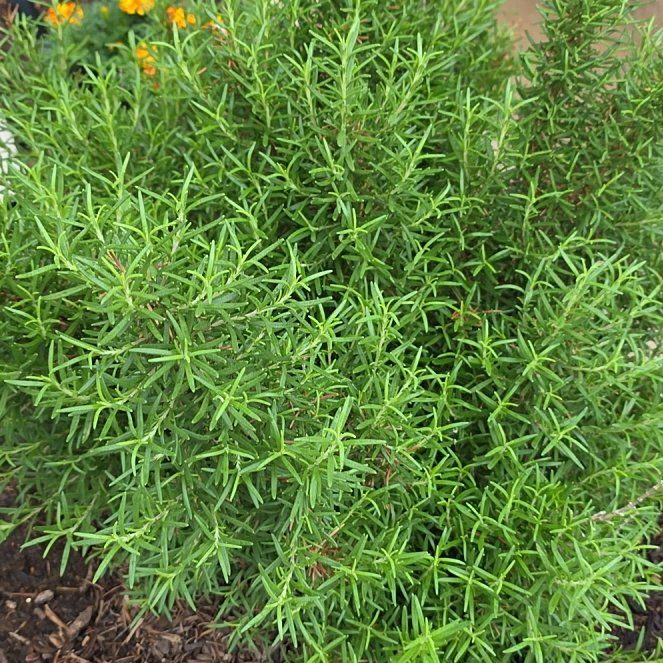
Rosemary does best in an unglazed ceramic or fabric pot that dries out quickly between waterings. Pick a container about 2 inches wider than the root ball with generous drainage holes. This Mediterranean herb hates wet feet more than almost anything else.
What Size Pot Does a Rosemary Plant Need?
Rosemary has a deep, woody root system that needs a pot with real depth. Start with a container about 2 inches wider than the nursery pot, and make sure it's at least as tall as it is wide. Shallow pots cramp the taproot and stunt growth.
As the plant matures, it can reach 4 to 5 feet tall and wide, so plan for a generous final container. A 14 to 18 inch pot is typical for a mature rosemary shrub.
Don't jump to a huge pot right away, though. Oversized containers hold moisture around the roots longer than rosemary can tolerate.
Young herb (under 6 inches)4–6" pot
Established plant (6–18 inches)8–10" pot
Mature shrub (18–36 inches)12–14" pot
Large shrub (3–5 ft)16–18" pot
What Material Pot Is Best for Rosemary?
Rosemary is a Mediterranean native adapted to rocky, fast-draining soil that dries quickly between rains. Its roots are extremely sensitive to prolonged moisture and will rot in soggy conditions. Airflow through the pot walls helps keep the root zone dry between waterings.
Weight matters too. A mature rosemary shrub is top-heavy with woody stems and dense foliage, so a heavier pot prevents tipping in wind.
Dries fastest → Slowest
Best for Rosemary
Fabric
Dries fast and provides excellent airflow. Ideal for rosemary's need to dry out between waterings.
Unglazed Ceramic
Porous walls pull moisture away from roots and add stabilizing weight. A top choice.
Wood
Good drainage and breathability. Line the inside to prevent the wood from rotting before the rosemary does.
Glazed Ceramic
Less breathable, so use a very gritty soil mix and water less frequently.
PlasticTOO SLOW
Holds moisture too long for rosemary's rot-prone roots, especially in cooler weather.
MetalOVERHEATS
Overheats in direct sun and can cook roots. Rosemary lives in full sun, so metal is a poor match.
Rosemary is a Mediterranean herb that thrives in dry, well-drained conditions. Fabric and unglazed ceramic are the best matches because their porous walls pull moisture away from the roots, mimicking the rocky hillsides where rosemary grows wild.
Avoid plastic and metal. Plastic holds moisture too long for rosemary's rot-prone roots, especially in cooler weather. Metal overheats in the full sun rosemary needs, which can damage roots quickly. If you use glazed ceramic or wood, mix in plenty of grit and water less often.
Stay on top of plant care
Get seasonal reminders for watering and fertilizing — personalized for your plants.
Yes, without exception. Rosemary is one of the most rot-prone herbs you can grow. Even a day or two of standing water can trigger root rot, especially in cooler months when the plant isn't actively growing.
Use a pot with at least one large drainage hole. Elevate the pot on feet or a tray with pebbles so water flows freely. Never let a saucer hold standing water under a rosemary plant.
When Should I Repot My Rosemary?
Rosemary is a moderate grower, so expect to repot every 1 to 2 years while it's young. Once it's in a 12 inch or larger container, you can slow to every 2 to 3 years and simply refresh the top layer of soil each spring.
Repot in early spring before the main flush of new growth. Avoid disturbing the roots during fall or winter, when the plant is less able to recover.
Use a fast-draining mix. A blend of potting soil, coarse sand, and perlite in roughly equal parts mimics the rocky Mediterranean soil rosemary evolved in.
Signs It's Time to Repot
Roots are circling the bottom of the pot
Plant wilts quickly even after watering
Growth has slowed and stems look leggy
Water pools on the soil surface before draining
The woody base is pressing against the pot rim
When Can I Plant My Rosemary in the Ground?
Rosemary is hardy in USDA zones 8a through 11b. In these climates, plant it in the ground in spring in full sun with sharply drained soil. It becomes a tough, drought-tolerant shrub once established and needs very little attention.
In zones 7 and below, container growing is the better option. Bring the pot indoors or into an unheated garage when temperatures regularly drop below 20 degrees F. Rosemary survives light frost but prolonged cold and wet soil in winter are a deadly combination.
Got More Questions?
Can I use a pot without drainage holes for my Rosemary?
No. Rosemary is extremely sensitive to wet roots. Without drainage, root rot is almost certain. Always use a pot with holes and never let water collect in a saucer.
How do I know if my pot is too big?
If the soil stays damp for more than 3 to 4 days after watering, the pot is too large. Rosemary needs the soil to dry out between waterings, and excess soil holds moisture the roots can't use.
Can I grow rosemary in the same pot as other herbs?
Pair it with herbs that share similar water needs, like lavender, thyme, or sage. Don't combine it with moisture-loving herbs like basil or parsley, which need more frequent watering.
Should I use a saucer under the pot?
Only if you empty it after watering. Standing water in a saucer is one of the fastest ways to kill rosemary. Pot feet or a pebble tray that keeps the base above water level is a safer option.
Why is my potted rosemary turning brown at the base?
Brown, mushy stems at the base usually mean root rot from too much moisture. Check drainage, reduce watering, and consider moving to a more breathable pot like unglazed ceramic.
Stay on top of plant care
Get seasonal reminders for watering and fertilizing — personalized for your plants.
Kiersten Rankel holds an M.S. in Ecology & Evolutionary Biology from Tulane University. A certified Louisiana Master Naturalist, she has over a decade of experience in science communication, with research spanning corals, cypress trees, marsh grasses, and more. At Greg, she curates species data and verifies care recommendations against botanical research.
See Kiersten Rankel's full background on LinkedIn.
Editorial Process
Container guidance verified against Salvia rosmarinus growth data from Greg's botanical database, cross-referenced with USDA hardiness zone data and published horticultural research.