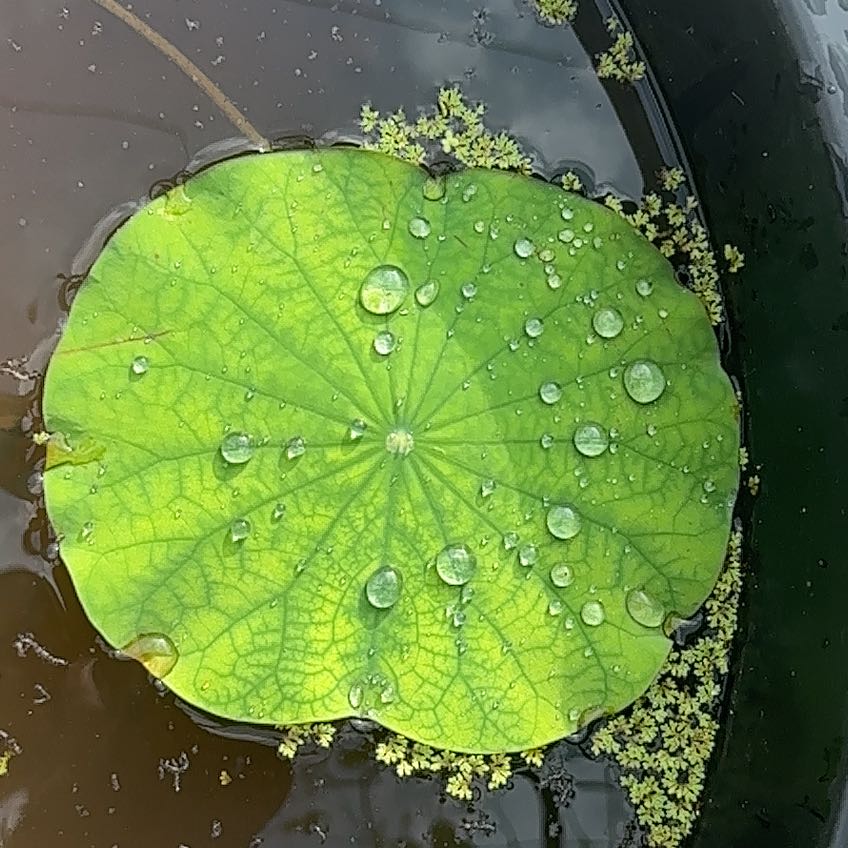
Sacred Lotus

Best Pot for Sacred Lotus

Nelumbo nucifera
Reviewed by Kiersten Rankel M.S.
Quick Answer
Sacred Lotus needs a wide, shallow container without drainage holes, filled with heavy clay soil and topped with several inches of standing water. A plastic tub or glazed ceramic bowl at least 18 inches across works well. This is one of the rare plants that must stay waterlogged at all times.

What Size Pot Does a Sacred Lotus Need?

Lotus grows from thick, spreading rhizomes that creep horizontally, so width matters more than depth. A container that is at least 18 inches across and 10 inches deep gives the rhizomes room to run and lets you maintain a few inches of water above the soil surface.

When your lotus fills its container and new growth starts climbing over the rim, it is time to move up. Choose a pot 4 to 6 inches wider to give the rhizomes another season or two of room.

A container that is too small causes the rhizomes to circle and crowd, which weakens flowering. One that is far too large can delay blooming because the plant puts all its energy into spreading before it flowers.

Single tuber or small division 18โ€“24" tub
Established plant (year 2โ€“3) 24โ€“36" tub
Mature clump 36โ€“48" tub or half-barrel

What Material Pot Is Best for Sacred Lotus?

Lotus roots sit in dense, waterlogged clay soil beneath several inches of standing water. The container must hold water without draining, so anything porous is a poor fit. You need a material that is watertight, sturdy enough to hold heavy wet soil, and won't degrade from constant moisture.

Weight is also worth thinking about. A large lotus container full of wet soil and water can weigh over 100 pounds, so choose a material you can move if needed or place it in its permanent spot before filling.

Dries fastest → Slowest
Fabric TOO FAST
Fabric pots drain freely and cannot hold the standing water lotus requires.
Unglazed Ceramic TOO FAST
Unglazed terra cotta wicks water through its walls and can crack from constant moisture exposure.
Best for Sacred Lotus
Wood
A sealed half-barrel or lined wooden tub works well and looks beautiful on a patio.
Glazed Ceramic
A large glazed bowl without a drainage hole holds water perfectly for lotus.
Plastic
Affordable, lightweight, and completely watertight, plastic tubs are the most popular choice for lotus growers.
Metal
A galvanized tub works, but metal can heat up in direct sun and warm the water more than lotus prefers.

Sacred Lotus is an aquatic plant that grows in standing water, so the pot needs to hold water in, not drain it out. That rules out anything porous. Fabric drains freely and unglazed ceramic wicks moisture through its walls, so neither will work.

Plastic tubs are the most popular choice among lotus growers because they are cheap, watertight, and come in large sizes. Glazed ceramic bowls without drainage holes are another beautiful option. Sealed wooden tubs and metal containers both work, though metal can warm the water more than lotus prefers on hot days.

Stay on top of plant care
Get seasonal reminders for watering and fertilizing โ€” personalized for your plants.
Try Greg Free

Does My Sacred Lotus Need Drainage Holes?

No. Sacred Lotus is one of the few plants that should not have drainage holes. The container needs to hold several inches of standing water above the soil at all times, which is impossible with a draining pot.

If your only container has holes, plug them with silicone caulk or a rubber stopper. Make sure the seal is watertight before adding soil and water.

When Should I Repot My Sacred Lotus?

Repot your lotus every one to two years in early spring, just as new shoots begin to emerge from the tuber. The rhizomes spread quickly and will fill a container in a single growing season.

To repot, gently lift the entire root mass and trim back old, mushy sections of rhizome. Keep firm, healthy tubers with visible growth tips. Replant in fresh heavy clay soil with the growing tips pointing toward the center of the new container.

After repotting, add water slowly over a few days. Start with just an inch or two above the soil, then raise the water level as new leaves appear.

Signs It's Time to Repot
Rhizomes climbing over the container rim
Fewer or smaller blooms than the previous year
Leaves emerging crowded and stunted
Water level dropping unusually fast as roots displace volume

Can I Plant My Sacred Lotus in the Ground?

Sacred Lotus is hardy in zones 4a through 10b, which covers most of the continental US. In-ground planting means putting the lotus in a natural or man-made pond where the rhizomes sit in soil at the bottom and leaves float or stand above the surface.

In zones 4a through 6, make sure the pond is deep enough that the rhizomes sit below the ice line in winter. If your pond is shallow, move the container to a frost-free garage or basement for the winter. In zones 7 and warmer, lotus can stay in outdoor ponds year-round with no protection.


Got More Questions?

Can I grow Sacred Lotus in a pot without drainage holes?
Yes, and you should. Lotus is an aquatic plant that requires standing water above the soil at all times. A pot without drainage holes is exactly what you need.
How do I know if my lotus pot is too big?
If your lotus has plenty of leaf growth but refuses to bloom after its first full season, the container may be too large. Lotus often flowers better when slightly root-bound, so try a smaller tub.
Can I grow lotus indoors?
It is very difficult. Lotus needs full sun for at least 6 hours a day and warm water temperatures. Most indoor settings cannot provide enough light for flowering, though a sunny south-facing window or grow lights may sustain the foliage.
Do I need soil in my lotus container or just water?
You need heavy clay or loam soil at the bottom. The rhizomes anchor into it and draw nutrients from it. Do not use potting mix, which floats. Top the soil with a layer of gravel to keep it from clouding the water.
Should I fertilize my lotus in its container?
Yes, but use aquatic plant fertilizer tablets pushed into the soil. Liquid fertilizer will feed algae instead of the lotus. Start fertilizing once the first floating leaves appear in spring.
Stay on top of plant care
Get seasonal reminders for watering and fertilizing โ€” personalized for your plants.
Try Greg Free

About This Article

Kiersten Rankel M.S.
Botanical Data Lead at Greg ยท Plant Scientist
About the Author
Kiersten Rankel holds an M.S. in Ecology & Evolutionary Biology from Tulane University. A certified Louisiana Master Naturalist, she has over a decade of experience in science communication, with research spanning corals, cypress trees, marsh grasses, and more. At Greg, she curates species data and verifies care recommendations against botanical research.
See Kiersten Rankel's full background on LinkedIn.
Editorial Process
Container guidance verified against Nelumbo nucifera growth data from Greg's botanical database, cross-referenced with USDA hardiness zone data and published horticultural research.
132+ Greg users growing this plant
USDA hardiness zones 4aโ€“10b