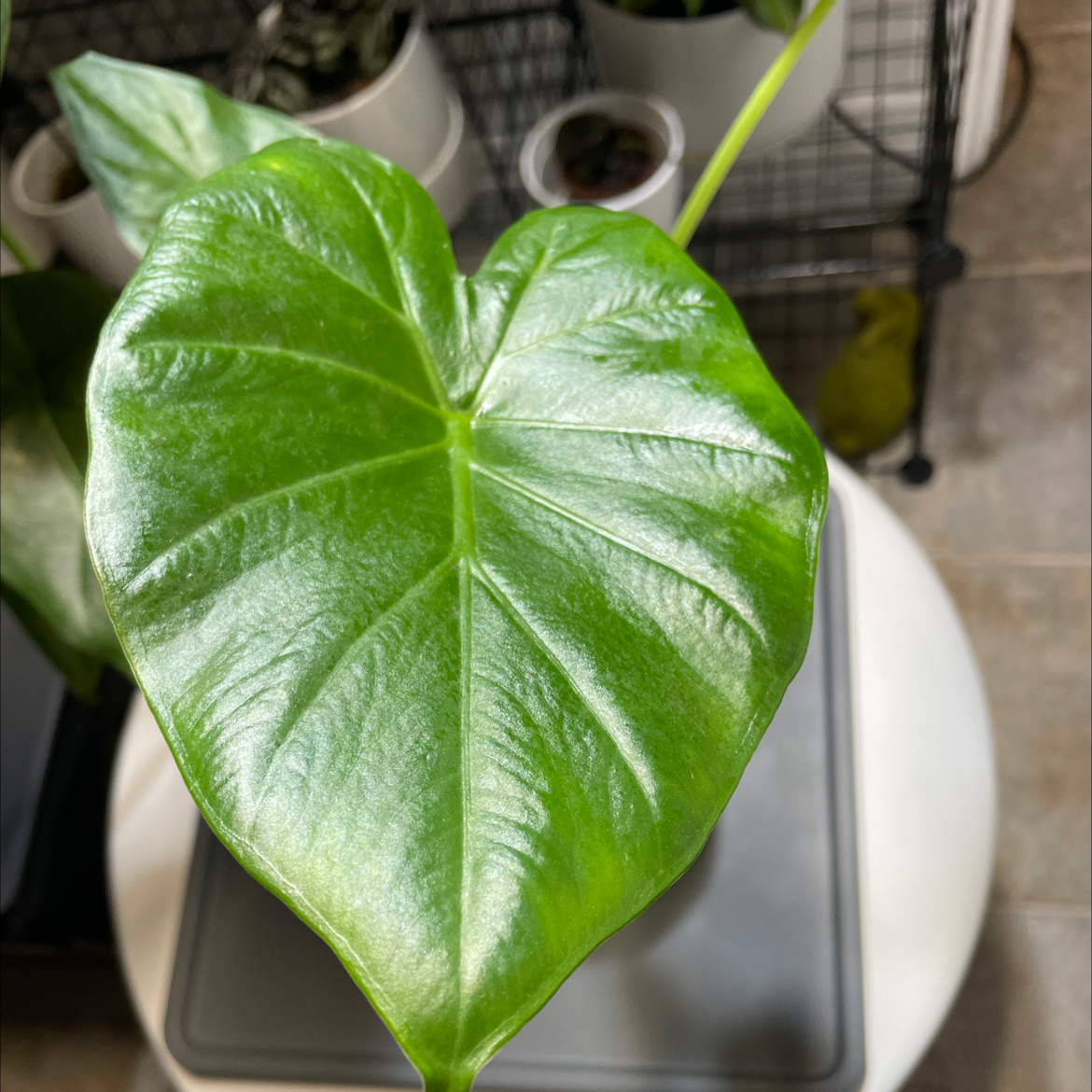
Best Pot for Chinese Taro
What Size Pot Does a Chinese Taro Need?
Chinese Taro grows upright and can reach about 3 feet tall with a 2.5-foot spread. Its tuberous root system is surprisingly compact for the size of the plant, so you don't need an enormous pot. Choose one that's 1-2 inches wider than the root ball.
A pot that's too big keeps excess soil wet for too long, which is a fast track to root rot for Alocasia. These plants grow at a moderate pace, so they'll fill a well-fitted pot within a season or two.
Because the large, upright leaves make this plant top-heavy, a pot with some weight helps prevent tipping. A sturdy ceramic pot is a good match.
What Material Pot Is Best for Chinese Taro?
Chinese Taro has a tuberous root system that stores water, making it somewhat tolerant of brief dry spells but very sensitive to prolonged soggy conditions. The roots need consistent, moderate moisture, not extremes in either direction.
A pot that holds moisture evenly while still allowing some airflow gives Alocasia roots the best environment. Avoid materials that either dry out too fast or trap water without any evaporation.
Chinese Taro is a tropical Alocasia that likes evenly moist soil but hates sitting in water. Glazed ceramic is an ideal match because it holds moisture without letting the soil get soggy, and its weight keeps this top-heavy plant from tipping.
Fabric pots dry out too quickly for this species, especially in the lower humidity of most homes. Unglazed ceramic, wood, plastic, and metal all work well, so pick whichever suits your space.

Does My Chinese Taro Need Drainage Holes?
Yes, drainage holes are essential. Alocasia cucullata has tuberous roots that are prone to rot when sitting in waterlogged soil. Good drainage lets you water generously while ensuring excess moisture drains away.
If your pot doesn't have holes, use it as a decorative outer sleeve. Keep the plant in a nursery pot with drainage inside, and empty any standing water from the outer pot after watering.
When Should I Repot My Chinese Taro?
Repot your Chinese Taro every 1-2 years in spring, when the plant is entering its active growing season. Alocasia is a moderate grower, so it won't need annual repotting unless it's outgrowing its space quickly.
When you repot, handle the tubers and roots gently. Shake off old soil and inspect for any soft, mushy spots that indicate rot. Trim away damaged sections with a clean blade and let cuts dry briefly before replanting.
Use a well-draining, airy mix with perlite or bark. Set the tuber at the same depth it was growing before. Water lightly for the first week to let disturbed roots recover.
Can I Plant My Chinese Taro in the Ground?
Chinese Taro is hardy in USDA zones 10a through 11b. In these warm, frost-free climates, you can plant it in the ground in a shaded or partially shaded spot with rich, well-draining soil. It looks stunning planted near water features or in tropical garden beds.
Outside these zones, keep your Alocasia in a pot. It can go outside on a shaded patio during warm summer months, but must come back inside before temperatures drop below 55F. Even a light frost will damage the foliage.
Got More Questions?
About This Article

Royal Horticultural Society