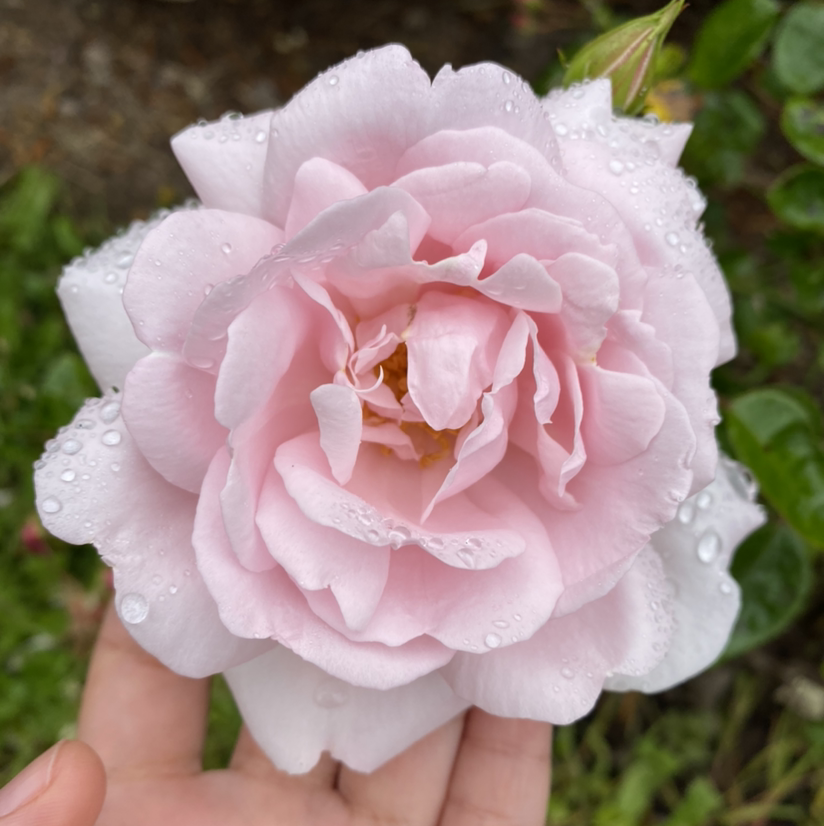
Camellias thrive in large unglazed ceramic or wood pots that provide good airflow to their fine, fibrous roots. Choose a pot 2-4 inches wider than the root ball, with drainage holes. Use acidic potting mix, as camellias are acid-loving plants.
What Size Pot Does a Camellia Need?
Camellias are upright shrubs that develop a dense, fibrous root system. Start with a pot 2-4 inches wider than the nursery container. These plants grow slowly, so they won't need frequent upsizing.
Avoid pots that are dramatically larger than the root ball. Excess soil stays wet for too long and can lead to root rot. A snug fit with a little room to grow is the sweet spot.
Camellias are top-heavy when mature, so choose a pot with some weight to it. A sturdy ceramic or stone container helps prevent tipping in wind.
Young plant (1–2 ft)10–12" pot
Established shrub (2–4 ft)14–18" pot
Mature shrub (4–6 ft)18–24" pot
Large specimen (6+ ft)24–30" pot
What Material Pot Is Best for Camellia?
Camellias have a fine, fibrous root system that needs both steady moisture and excellent aeration. Their roots are sensitive to heat and sitting in waterlogged soil, so the pot needs to breathe while still holding some moisture.
Because camellias are typically grown outdoors, the pot material also needs to handle sun exposure and seasonal temperature changes. A breathable material keeps roots cooler in summer heat.
Dries fastest → Slowest
Best for Camellia
Fabric
Excellent root aeration and prevents circling. Water more often in hot weather since fabric dries fast.
Unglazed Ceramic
The classic choice for camellias. Breathable walls and enough weight to keep a tall shrub stable.
Wood
A great natural option that insulates roots from temperature extremes. Use a rot-resistant wood like cedar.
Glazed Ceramic
Works well with a quality potting mix. Provides weight and stability for tall plants.
Plastic
Lightweight and affordable. Can overheat in direct sun, so place in a spot with afternoon shade.
MetalOVERHEATS
Metal pots absorb and radiate heat, which can cook camellia roots in direct summer sun.
Camellias are woodland shrubs from East Asia that like moist, well-drained soil and protection from intense afternoon heat. Unglazed ceramic is the classic choice because it breathes well and adds enough weight to keep a tall plant stable in wind.
Fabric, wood, and glazed ceramic all work nicely too. Wood planters made from cedar insulate roots from temperature swings, which camellias appreciate in cooler zones.
Avoid metal pots outdoors. Metal absorbs and radiates heat in direct sun, and camellia roots are sensitive to overheating.
Stay on top of plant care
Get seasonal reminders for watering and fertilizing — personalized for your plants.
Yes, without question. Camellias are extremely sensitive to waterlogged soil. Their fine roots suffocate quickly when oxygen is cut off by standing water. Every pot you use for a camellia must have drainage holes.
Elevate the pot slightly on pot feet or a plant stand to ensure water flows freely from the bottom. This also improves air circulation around the root zone.
When Should I Repot My Camellia?
Repot your Camellia every 2-3 years in early spring, after blooming finishes but before new growth starts. Camellias are slow growers, so they don't need frequent repotting.
When you do repot, use an acidic potting mix formulated for azaleas or camellias. Gently tease out circling roots and set the plant at the same depth it was growing before. Planting too deep can smother the root crown.
Go up only one pot size at a time. A camellia that's been in the same pot for years may just need fresh soil rather than a bigger container.
Signs It's Time to Repot
Roots circling densely at the pot's edge
Water sits on the surface before soaking in
Yellowing leaves despite proper feeding and watering
Stunted new growth or fewer flower buds
Soil has broken down and compacted
When Can I Plant My Camellia in the Ground?
Camellias are hardy in USDA zones 7a through 9b. If you're in this range, plant in fall or early spring in a spot with dappled shade and acidic, well-draining soil. Avoid south-facing walls where reflected heat and winter sun can damage flower buds.
In zones colder than 7a, keep your camellia in a pot so you can move it to a protected area during winter. A cold frame or unheated garage that stays above freezing works well for overwintering.
Got More Questions?
Can I use a pot without drainage holes for my Camellia?
No. Camellias are highly sensitive to wet feet. Without drainage, water pools around the roots and causes rot very quickly. Always use a pot with drainage holes.
How do I know if my Camellia's pot is too big?
If the soil stays wet for more than 5-7 days after watering, the pot is probably too large. Excess damp soil around the roots leads to rot, especially in cooler weather when evaporation slows.
What kind of soil should I use in my Camellia's pot?
Use an acidic potting mix designed for camellias, azaleas, or rhododendrons. A pH between 5.5 and 6.5 is ideal. Regular potting soil is usually too alkaline for camellias.
Can I leave my potted Camellia outside in winter?
In zones 7a-9b, yes. In colder areas, move the pot to a sheltered spot like an unheated garage or cold frame before hard freezes. The roots in a pot are more exposed to cold than in-ground roots.
Should I use a saucer under my Camellia's pot?
Only if you empty it after every watering. A saucer full of standing water defeats the purpose of drainage holes and puts your camellia at risk for root rot.
Stay on top of plant care
Get seasonal reminders for watering and fertilizing — personalized for your plants.
Kiersten Rankel holds an M.S. in Ecology & Evolutionary Biology from Tulane University. A certified Louisiana Master Naturalist, she has over a decade of experience in science communication, with research spanning corals, cypress trees, marsh grasses, and more. At Greg, she curates species data and verifies care recommendations against botanical research.
See Kiersten Rankel's full background on LinkedIn.
Editorial Process
Container guidance verified against Camellia japonica growth data from Greg's botanical database, cross-referenced with USDA hardiness zone data and published horticultural research.