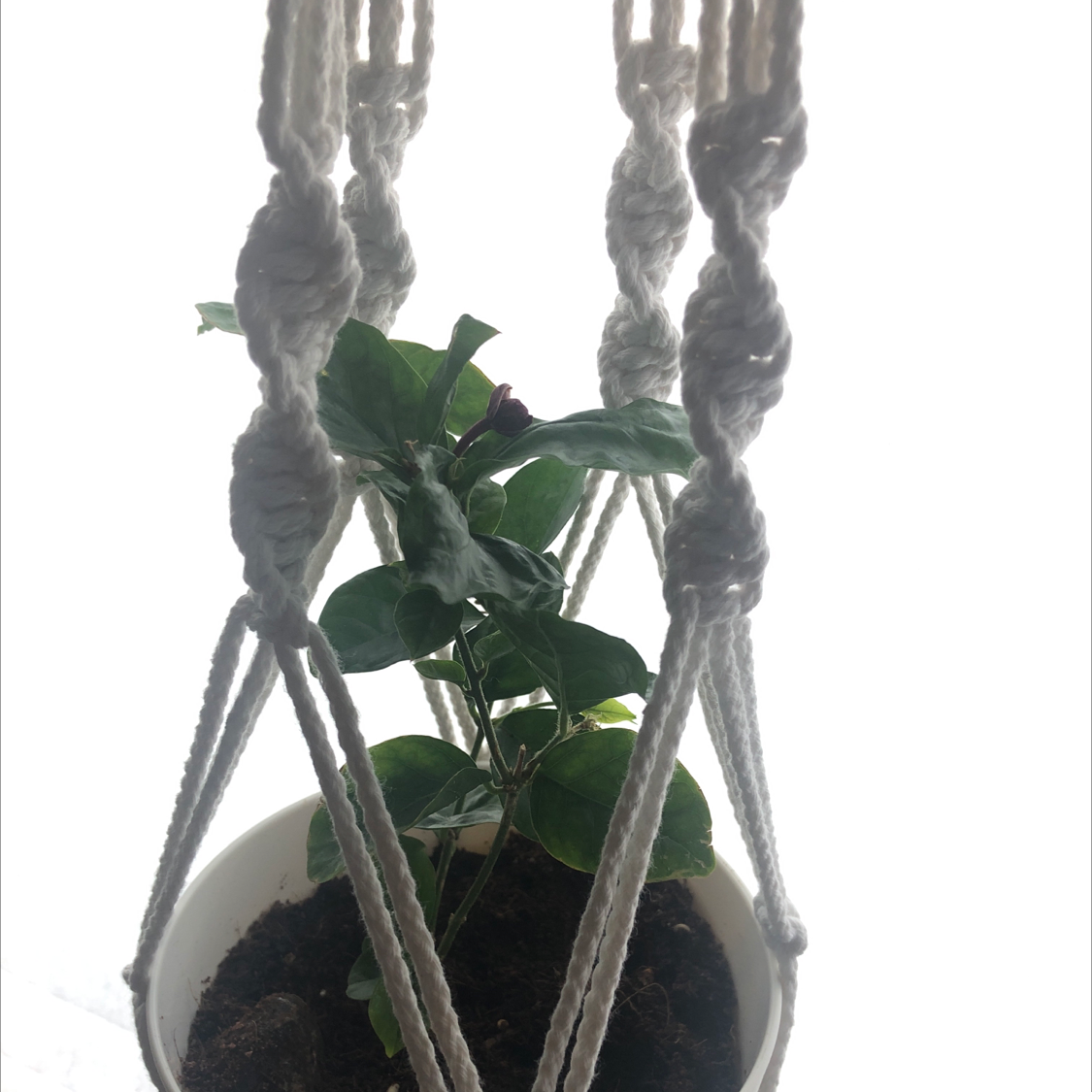
Best Pot for Arabian Jasmine
What Size Pot Does an Arabian Jasmine Need?
Arabian Jasmine is a vigorous, branching tropical vine that can grow several feet in a single season under warm conditions. Despite its exuberant top growth, it has a moderately dense, fibrous root system that benefits from regular repotting to keep up with its pace. A pot that gives the roots about 1–2 inches of growing room on all sides is the right fit, not so tight that it becomes rootbound quickly, not so large that soil stays wet between waterings.
When you're ready to size up, move one pot size at a time, typically 1–2 inches wider in diameter. Jumping from a small to a large pot means the outer soil stays wet long after the plant drinks its fill, which invites root rot. You'll know it's time to repot when roots start circling the pot or pushing out the drainage holes, or when watering seems to run straight through without the soil holding any moisture.
For a jasmine used as a trained climber or standard, a heavier pot material (unglazed ceramic, glazed ceramic) helps prevent tipping as the plant grows taller and its stems become more substantial.
What Material Pot Is Best for Arabian Jasmine?
Arabian jasmine is a vigorous grower with a fibrous root system that expands readily when given space and consistent moisture. During active growth and blooming, roots benefit from a pot that holds moisture without becoming stagnant -- they want water available, not standing.
Because jasmine grows quickly and blooms best with warmth, a container that moderates temperature and doesn't shed moisture too fast between waterings helps the plant stay in active flower mode. Good drainage at the bottom is still essential to prevent waterlogging at the root level.
Arabian Jasmine is a tropical plant that likes steady moisture and good airflow at the roots. Most pot materials work well, with the one exception being metal in outdoor or sunny spots where it can overheat.
Fabric and unglazed ceramic are great if you water regularly. They keep roots well-aerated and help prevent the soggy conditions that lead to root problems. Wood is a natural-looking option that pairs nicely with jasmine's trailing habit.
Glazed ceramic and plastic hold moisture longer, which is handy if you tend to forget a watering day. If you move your jasmine indoors for winter, lightweight plastic makes that transition easier.

Does My Arabian Jasmine Need Drainage Holes?
Yes, without exception. Arabian Jasmine has active, fibrous roots that need air as much as water, and in a pot without drainage those roots at the base stay in permanently wet soil and rot. Signs of root rot like yellowing leaves, sudden wilting, and a musty smell from the soil can appear quickly and are difficult to reverse.
If you want to use a decorative pot that lacks drainage, treat it as a cachepot: set a plain nursery pot with holes inside it, water into the inner pot, and pour out or absorb any water that collects in the outer container after a few minutes. Never let jasmine sit in standing water.
When Should I Repot My Arabian Jasmine?
Arabian Jasmine is a fast, enthusiastic grower when given warmth and light, so plan to repot every 1–2 years, sometimes annually in good conditions. Spring is the ideal time, right as growth resumes after a slower winter period.
When repotting, gently untangle any circling roots and spread them outward before setting the plant in a well-draining tropical potting mix, moving up just one pot size (1–2 inches wider). If you don't want to do a full repot but notice growth slowing, a fresh layer of compost mixed into the top of the soil is a nice boost.
After repotting, keep the plant in bright indirect light for a week or two before moving it back to full sun. Hold off on fertilizing for 3–4 weeks to avoid stressing the newly settling roots.
When Can I Plant My Arabian Jasmine in the Ground?
Arabian Jasmine can grow in the ground in USDA hardiness zones 9a–11b. In those climates, coastal California, the Gulf Coast, Florida, Hawaii, it thrives as a sprawling evergreen shrub or climber, producing its intensely fragrant white flowers most of the year. Plant it in spring after the last chance of cold snaps has passed, in a spot that gets full sun to part shade.
In zones 8 and colder, Arabian Jasmine is not reliably frost-hardy and even a light freeze can damage or kill the plant, so keep it in a container you can bring indoors before temperatures drop. If you move it outside for summer, bring it back in before nights fall below 50°F (10°C).
Got More Questions?
About This Article
