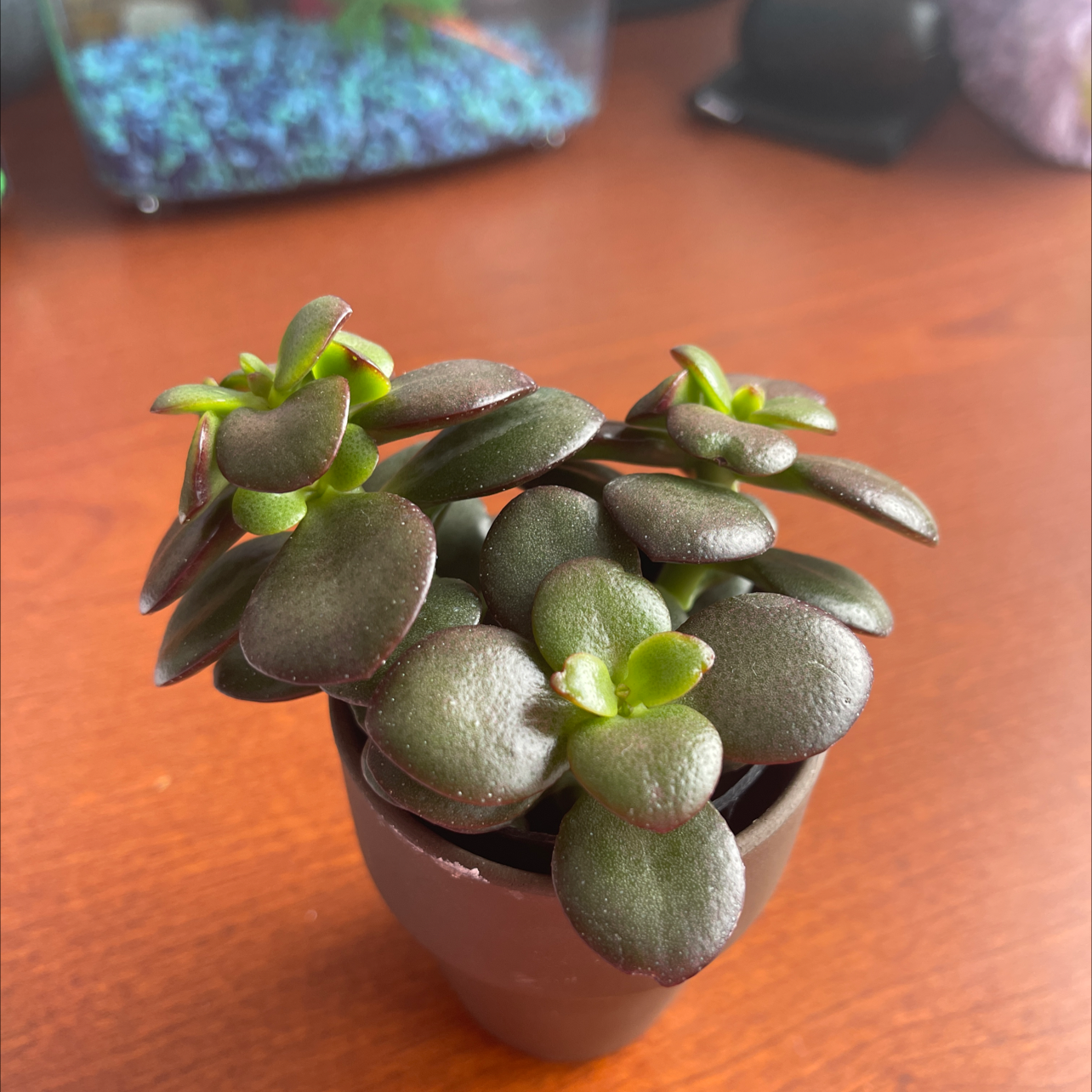
Best Soil for Miniature Jade Plant
What Soil Does a Miniature Jade Plant Need?
Miniature Jade Plant is a compact succulent native to the arid regions of South Africa. It stores water in its thick, fleshy stems and leaves, which means the roots are designed to pull water quickly and then sit dry. The soil must drain in seconds, not minutes, to replicate the rocky, porous ground the plant evolved in.
Miniature Jade Plant is a slow-growing succulent that stores water in its leaves and stems. Its roots are adapted to fast-draining, mineral-rich soil that dries completely between rain events. Regular potting soil is far too moisture-retentive for this plant. It holds water around the roots long after a watering, which creates exactly the wet conditions that trigger root rot in succulents.
The ideal mix is mostly inorganic. Cactus and succulent mix from the garden center is a good starting point, but most commercially available versions still benefit from extra perlite or coarse sand. A ratio of about 50–60% mineral material to 40–50% organic base gives the right balance of fast drainage with just enough nutrient-holding capacity to support the plant's slow growth.
Never use fine-textured amendments like peat moss or regular compost in a jade mix. Both hold moisture for too long. If you want to add organic material, use small amounts of coarse pine bark, which provides structure without retaining excessive water.
What Soil Mix Should I Use for My Miniature Jade Plant?

What pH Does My Miniature Jade Plant Need?
Miniature Jade Plant prefers a neutral to very slightly acidic pH of 6.0–7.0. This is a wider tolerance than many other houseplants, reflecting the varied rocky soils of its native South African habitat. You can check your mix with a simple pH meter or test strips, though pH is rarely the primary concern with jade plants. Drainage is almost always the bigger issue to get right first.
At pH levels above 7.5, iron absorption drops and you might notice paler new growth. Below 5.5, the mix becomes too acidic for healthy root function. Both extremes are uncommon when using quality cactus mix, but they can develop over time from repeated applications of certain fertilizers or from using very acidic water. A balanced succulent fertilizer at half strength during the growing season keeps the nutrient picture clean.
When Should I Replace My Miniature Jade Plant's Soil?
Miniature Jade is a slow grower, and its mineral-heavy mix breaks down more slowly than an organic potting mix would. Plan to repot every 2–3 years, or when the plant has outgrown its container. Because the mix is mostly inorganic, it doesn't decompose quickly and can last longer than typical houseplant soil.
The most common reason to repot sooner is if the soil has stopped draining quickly after a root rot event. Old mix can compact slightly over time even when mostly mineral, and the fine organic particles that were originally in it decompose and settle into the pore spaces, reducing drainage. When you notice watering taking longer to drain through, it's time for fresh mix.
What Soil Amendments Does a Miniature Jade Plant Need Outdoors?
Miniature Jade Plants store water in their thick leaves and stems, which means soggy ground is their worst enemy. The roots need fast-draining soil that dries out completely between waterings.
If you're planting outdoors in a warm climate, mix sharp sand, perlite, and a small amount of compost into the planting area. Clay soil is especially dangerous for jade. You will need to dig out a generous pocket and replace it with a gritty, sandy mix. In naturally sandy ground, just add a handful of compost for some structure and call it done.
Got More Questions?
About This Article
