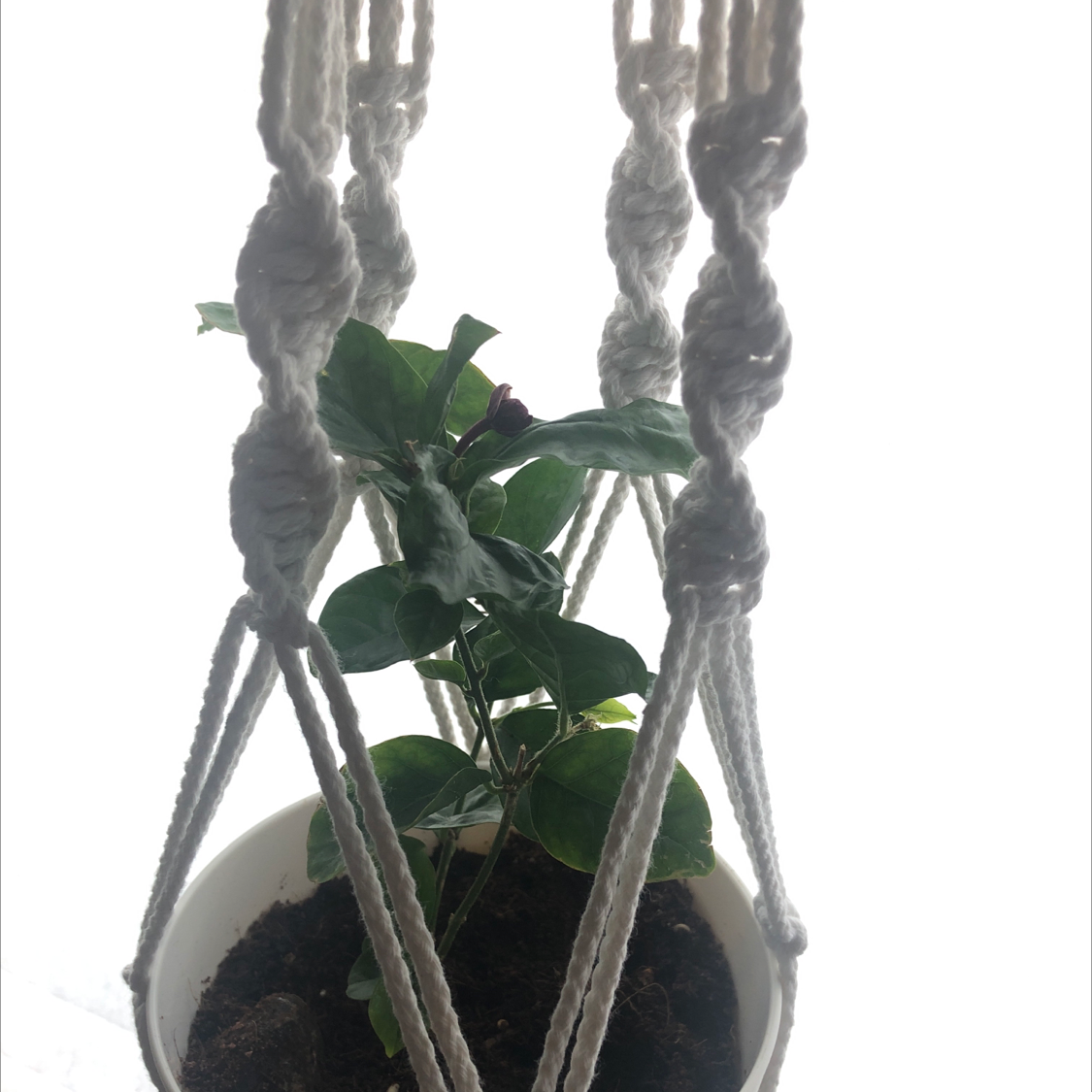
Arabian Jasmine

How to Fertilize Arabian Jasmine

Jasminum sambac
Reviewed by Kiersten Rankel M.S.
Quick Answer
Arabian Jasmine thrives with a balanced to bloom-boosting fertilizer like a 7-9-5 or 10-30-20 during the growing season. Feed every two weeks from spring through early fall, then stop in winter when growth slows. Always dilute to half strength to protect the roots.

When Should I Start Feeding My Arabian Jasmine?

Your feeding window depends on your local climate, since Arabian Jasmine grows best in zones 9a through 11b where warm weather arrives early.

US feeding regions map
Pacific Feb–Nov
Mountain May–Sep
Midwest Apr–Oct
Northeast May–Oct
Southeast Mar–Nov
Stay on top of plant care
Get seasonal reminders for watering and fertilizing — personalized for your plants.
Try Greg Free

How Often Should I Fertilize My Arabian Jasmine?

During spring and summer, feed your Arabian Jasmine every two weeks with a diluted liquid fertilizer. This matches its vigorous blooming period when it needs the most nutrients.

As fall approaches, taper to once a month at half strength. Stop feeding entirely by late fall. Winter is a rest period, and feeding during this time can cause weak, leggy growth.

If you notice yellowing leaves during the growing season, your plant may need more frequent feeding. Brown leaf tips or white salt crust on the soil surface are signs you are overdoing it.

Feeding Calendar
Spring
Half-strength liquid every 2 weeks as new buds appear
Summer
Half-strength liquid every 2 weeks through peak bloom
Early Fall
Half-strength monthly, tapering off as blooming slows
Late Fall & Winter
No feeding while the plant rests

What Is the Best Fertilizer for Arabian Jasmine?

Arabian Jasmine is a heavy bloomer, so it benefits from a fertilizer with slightly higher phosphorus to support flower production. Look for a balanced or bloom-boosting formula with an NPK ratio like 7-9-5 or 10-30-20.

A water-soluble liquid fertilizer is the easiest option for potted jasmine. Dilute it to half the label rate every two weeks during the growing season.

If you prefer a lower-maintenance approach, a slow-release granular fertilizer applied once in early spring and again in midsummer works well for in-ground plants. Just scratch the granules into the top inch of soil and water them in.

Synthetic
High-phosphorus water-soluble formula designed for flowering plants. Mix 1/2 teaspoon per gallon at half strength for jasmine.
Widely available bloom fertilizer. Use at half the label rate every two weeks during the growing season.
Organic
Organic granular with mycorrhizae and beneficial soil microbes. Apply once in spring and again in midsummer.
Gentle liquid organic blend that promotes steady blooming. Dilute 1 tablespoon per gallon every two weeks.

How Do I Fertilize My Arabian Jasmine?

1
Water your plant first
Give your Arabian Jasmine a thorough watering about an hour before fertilizing. Moist soil protects the roots from fertilizer burn.
2
Measure and dilute
Mix your liquid fertilizer at half the strength recommended on the label. For most bloom-boosting concentrates, that means about 1/4 teaspoon per gallon of water.
3
Apply to the soil evenly
Pour the diluted solution around the base of the plant, avoiding the leaves and flowers. Wet foliage can develop spots from fertilizer salts.
4
Let excess drain
If your jasmine is in a pot, let the solution flow through and drain completely. Never let the pot sit in the runoff tray.
5
Flush the soil monthly
Once a month, water deeply with plain water to wash out any salt buildup. This keeps the roots healthy and prevents leaf tip burn.

Got More Questions?

Can I use coffee grounds on my Arabian Jasmine?
Arabian Jasmine prefers slightly acidic soil, so small amounts of used coffee grounds mixed into the top layer of soil can be helpful. However, coffee grounds alone do not provide balanced nutrition. Use them as a supplement, not a replacement for fertilizer.
What happens if I over-fertilize my jasmine?
You will see brown or crispy leaf tips, white salt deposits on the soil surface, and fewer flowers. If this happens, flush the soil with plain water several times and skip feeding for a month before starting again at a lower dose.
Should I fertilize my Arabian Jasmine while it is blooming?
Yes. Arabian Jasmine blooms repeatedly through spring and summer, and regular feeding supports continuous flower production. Just stick with half-strength doses to avoid stressing the plant.
Why are my jasmine's leaves turning yellow even though I am fertilizing?
Yellow leaves can signal iron deficiency, which is common in alkaline soil. Try watering with a diluted iron supplement or switching to a fertilizer that includes trace minerals. Check that your soil pH is between 6.0 and 6.5.
Can I use banana peels to fertilize my jasmine?
Banana peels break down very slowly and deliver minimal nutrients to potted plants. They can also attract fungus gnats. A proper liquid fertilizer is far more effective and reliable.
Stay on top of plant care
Get seasonal reminders for watering and fertilizing — personalized for your plants.
Try Greg Free

About This Article

Kiersten Rankel M.S.
Botanical Data Lead at Greg · Plant Scientist
About the Author
Kiersten Rankel holds an M.S. in Ecology & Evolutionary Biology from Tulane University. A certified Louisiana Master Naturalist, she has over a decade of experience in science communication, with research spanning corals, cypress trees, marsh grasses, and more. At Greg, she curates species data and verifies care recommendations against botanical research.
See Kiersten Rankel's full background on LinkedIn.
Editorial Process
Fertilizer recommendations verified against Jasminum sambac growth data from Greg's botanical database, cross-referenced with USDA hardiness zone data and published horticultural research.
3,243+ Greg users growing this plant
USDA hardiness zones 9a–11b