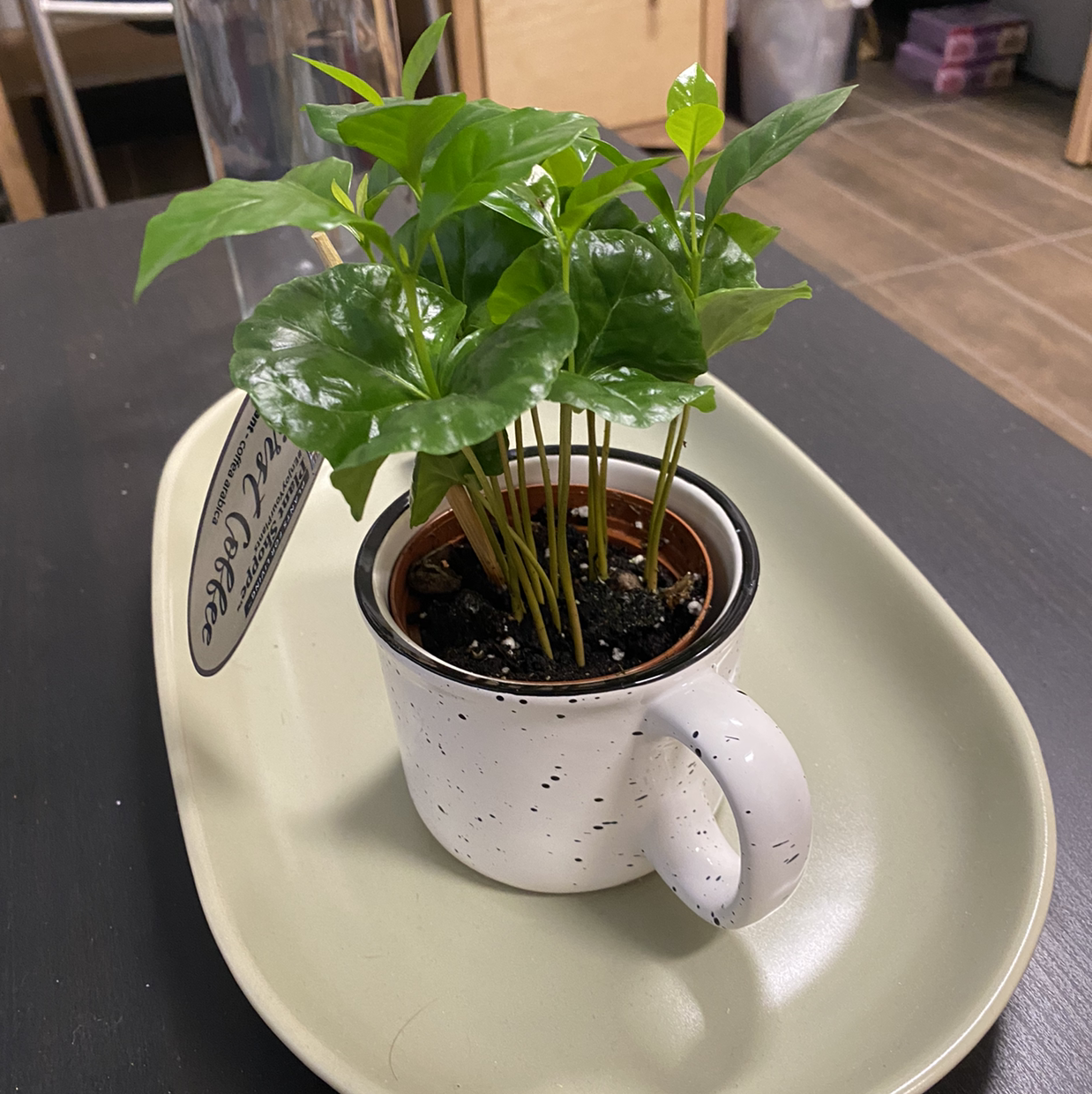
Best Soil for Arabian Coffee Plant
What Kind of Soil Does an Arabian Coffee Plant Need?
Coffea arabica is native to the highland forests of Ethiopia, where it grows under a forest canopy in deep, humus-rich, volcanic soils with excellent natural drainage. Indoors, it needs a mix that is rich in organic matter but loose enough to drain quickly and keep air moving around the roots.
Coffee plants have a moderately fibrous root system that appreciates consistent moisture without sitting in soggy soil. In their native Ethiopian highlands, the soil is deep, loose, and full of decomposed organic matter from the forest floor. That richness is what indoor growers need to replicate.
A standard houseplant potting mix is a reasonable starting point, but it benefits from a few additions. Perlite improves drainage and aeration. A small amount of compost or worm castings adds organic richness and slow-release nutrients. Together, these create a mix that stays lightly moist, drains freely, and supports the steady growth coffee plants are capable of.
Avoid coarse, mineral-heavy mixes like straight cactus blend. While those are great for succulents, coffee plants need more moisture and organic content to thrive. They are a true tropical shrub, not a drought-tolerant plant.
What Soil Mix Should I Use for My Arabian Coffee Plant?

What pH Does an Arabian Coffee Plant Need?
Arabian coffee plants are acid-loving and grow best in soil with a pH between 6.0 and 6.5. This is slightly more acidic than most generic houseplant mixes, and it matters: at this range, nutrients like iron and nitrogen are most available to the plant. Test your soil with a pH meter or strips from a garden center before and after any amendment.
If the pH rises above 7.0, the plant often shows yellowing between the leaf veins, a classic sign of iron deficiency caused by nutrient lockout. Below 5.5, growth can slow and root function declines. Coffee is sensitive enough to pH that this is one of the more important numbers to get right.
When Should I Replace My Coffee Plant's Soil?
Plan to refresh the potting mix every 1 to 2 years. Coffee plants grown indoors push steady growth when conditions are right, and they will exhaust the nutrients in their mix faster than slower-growing plants. Spring is the best time to repot and refresh soil.
Organic matter in the mix also breaks down over time. As it decomposes into finer particles, drainage slows and the risk of root rot increases. A fresh mix restores both drainage and nutrient availability in one step.
How Do I Prepare Garden Soil for a Coffee Plant?
Coffee Plants need rich, slightly acidic soil that stays evenly moist without becoming soggy. Their roots are sensitive and prefer ground that feels loose and spongy, similar to the volcanic forest floors where they grow wild.
Amend clay soil with compost, pine bark fines, and a bit of coarse sand to lighten the texture and improve drainage. For sandy soil, work in generous amounts of compost and leaf mold to build moisture-holding capacity. A sheltered spot with dappled shade mimics the understory conditions coffee plants love.
Got More Questions?
About This Article
