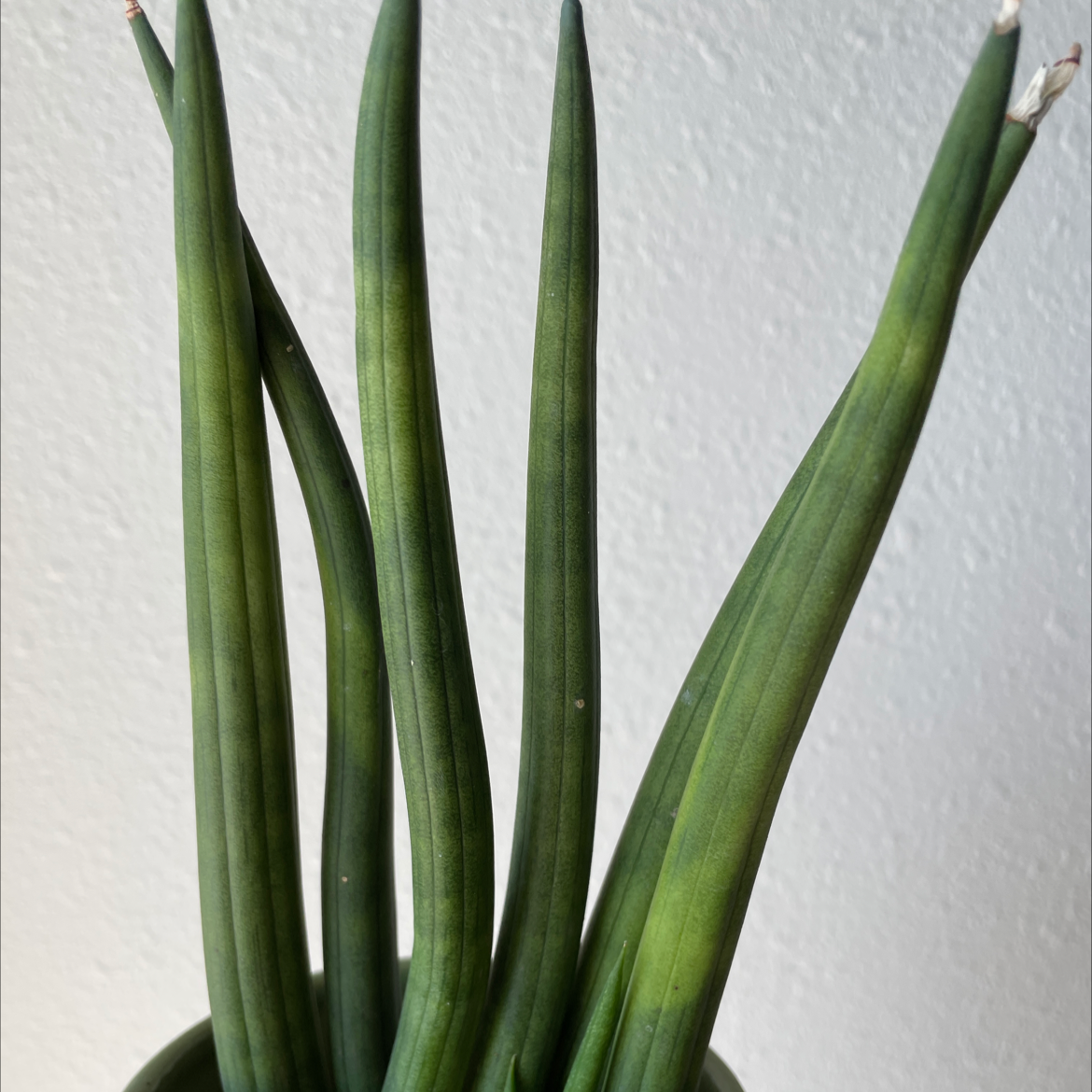
Best Soil for Cylindrical Snake Plant
What Kind of Soil Does a Cylindrical Snake Plant Need?
Dracaena angolensis is native to the arid regions of Angola and Southern Africa, where it grows in rocky, sandy soil that drains instantly and dries out completely between rains. Indoors, it needs a mix that mimics those conditions: maximum drainage, good airflow around the roots, and very low moisture retention.
Cylindrical snake plants store water in their thick, cylindrical leaves and have a rhizomatous root system that is extremely sensitive to sitting in wet soil. In their native Southern African habitat, they experience long dry periods between rains, and the soil around their roots never stays wet for long. That drought-adapted biology means standard potting mix is almost always too moisture-retentive for this plant.
A cactus and succulent mix is the right base because it is formulated to drain quickly and dry out fast. Adding extra perlite pushes drainage even further and creates the airy, mineral-heavy structure these roots are adapted to. A small amount of coarse sand can also be included for additional drainage support.
Avoid any moisture-control mixes, mixes with water-retaining crystals, or anything marketed to tropical plants. Those mixes will keep the soil wet far longer than a cylindrical snake plant can safely tolerate, especially in the low-light, low-evaporation conditions of most homes.
What Soil Mix Should I Use for My Cylindrical Snake Plant?

What pH Does a Cylindrical Snake Plant Need?
Cylindrical snake plants grow best in slightly acidic to neutral soil with a pH between 6.0 and 7.0. This is the range where the nutrients it needs are most available. A basic pH meter or test strips from a garden center let you check easily before and after any amendment.
If pH drifts below 5.5 or above 7.5, you may see yellowing or browning leaf tips, though in this drought-tolerant plant, pH issues are much less common than watering-related problems. Root rot from too much moisture is far and away the most likely problem to address first.
When Should I Replace My Cylindrical Snake Plant's Soil?
Cylindrical snake plants are slow growers, and a mineral-heavy mix degrades more slowly than an organic one. You can usually go 3 years or more between soil refreshes. When you do repot, the main goal is to restore drainage, not to add nutrients, since this plant thrives in lean conditions.
Because these plants are so forgiving of neglect, soil issues often go unnoticed for a long time. The best trigger for refreshing the soil is when you notice watering taking longer to drain, or when you repot because the plant has produced enough offsets to fill the pot.
What Soil Does a Cylindrical Snake Plant Need in the Garden?
Cylindrical Snake Plants come from the dry, rocky soils of Southern Africa, and their roots need ground that drains almost immediately. They store water in their round, stiff leaves and will rot in anything that stays damp.
Clay soil needs serious amendment: mix in plenty of coarse sand, gravel, and perlite to create a fast-draining bed. Sandy soil is a natural fit, though a small scoop of compost per planting hole gives the roots a better start. Choose a sunny, open spot where rainwater doesn't pool.
Got More Questions?
About This Article
