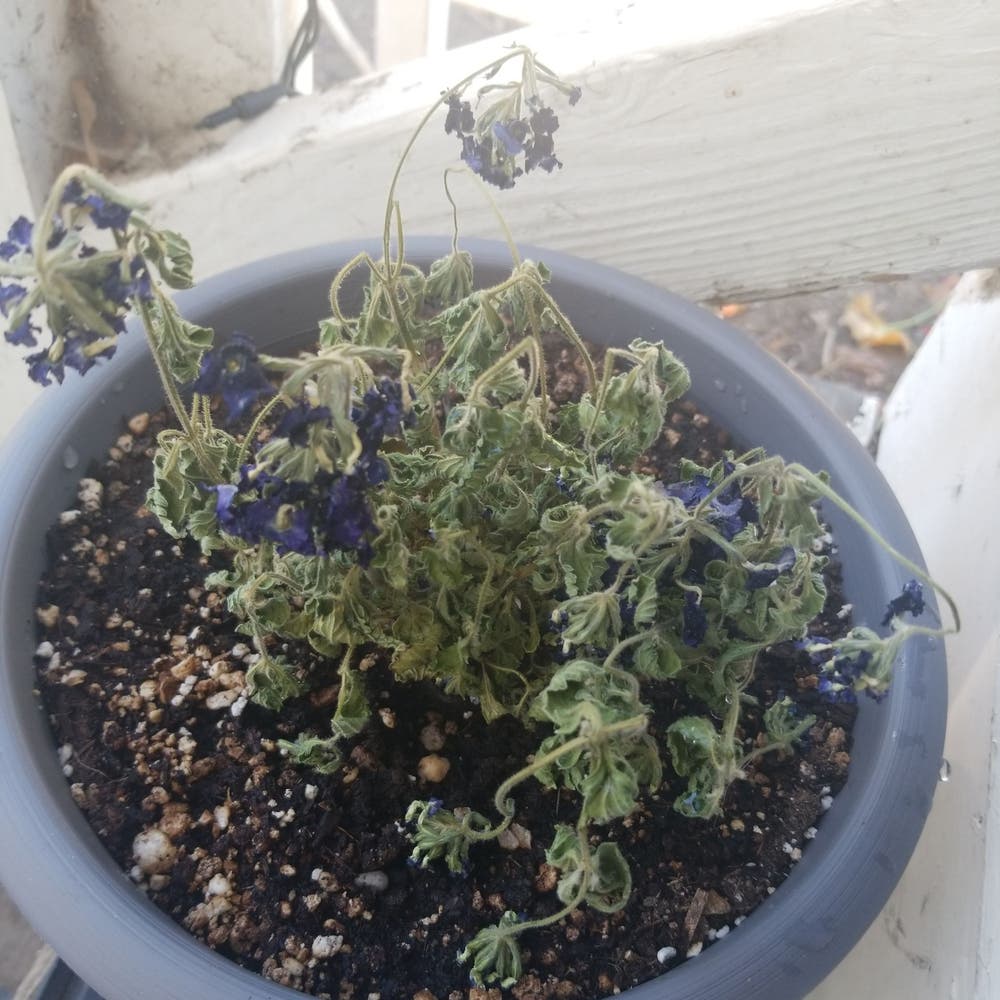
3 Ideal Locations to Plant Dwarf Verbena 🌸
Verbena tenuisecta
By the Greg Editorial Team
Oct 20, 2024•4 min read
This article was created with the help of AI so we can cover more plants for you. May contain errors. See one? Report it here.
Unlock a vibrant garden 🌼 by mastering the sunlight and soil needs of Dwarf Verbena!
- ☀️ Dwarf Verbena thrives in 6+ hours of sunlight for vibrant blooms.
- 🌱 Well-draining sandy or loamy soil prevents root rot and promotes growth.
- 🌼 Companion plants like lavender attract pollinators and enhance garden beauty.
Sunlight Exposure
Full Sun Requirements 🌞
Dwarf Verbena thrives in full sun, needing at least 6 hours of direct sunlight daily. This optimal exposure not only promotes robust growth but also leads to vibrant blooms that can brighten any garden.
Partial Shade Tolerance 🌤️
While Dwarf Verbena can tolerate some shade, its performance dips with less than 4 hours of sunlight. For those in hotter climates, areas that receive morning sun and afternoon shade are ideal, helping the plant flourish without wilting under intense heat.
Understanding these sunlight needs is crucial for successful planting. Next, let’s explore the importance of soil type for Dwarf Verbena.
Soil Type
Well-Draining Soil 🌊
Dwarf Verbena thrives in well-draining soil, which is crucial for preventing root rot. Sandy or loamy soils are ideal, as they allow excess water to escape while retaining enough moisture for healthy growth.
Soil pH Preferences ⚗️
For optimal growth, aim for a soil pH between 6.0 and 7.0. Testing your soil's pH can help you create the best conditions for your Dwarf Verbena to flourish, ensuring vibrant blooms and robust health.
Understanding these soil requirements will set the foundation for a thriving garden. Next, let’s explore how to assess the best spot for planting your Dwarf Verbena.
Proximity to Other Plants
🌼 Companion Planting Options
Dwarf Verbena is a magnet for pollinators, making it an excellent choice for planting alongside flowering companions like lavender or salvia. These pairings not only enhance the beauty of your garden but also support local wildlife.
Consider integrating drought-resistant plants into your design. This creates a harmonious garden that thrives with minimal water, ensuring your Dwarf Verbena flourishes alongside its resilient neighbors.
🚫 Avoiding Overcrowding
To keep your Dwarf Verbena healthy, maintain adequate spacing of 12-18 inches apart. This spacing promotes airflow, which is crucial for preventing diseases.
Overcrowding can lead to increased humidity around the plants. This not only stifles growth but also makes them more susceptible to various ailments, so give them room to breathe and shine.
As you plan your garden layout, remember that thoughtful plant placement can make all the difference. Next, let’s explore how to assess the best spot for your Dwarf Verbena, ensuring it gets the sunlight and conditions it craves.
Assessing the Best Spot
🌞 Evaluating Sunlight Patterns
To ensure your Dwarf Verbena thrives, start by observing your garden throughout the day. Identify and mark areas that consistently receive at least 6 hours of direct sunlight.
🚰 Checking Soil Drainage
Next, it's crucial to assess your soil's drainage capabilities. Conduct a simple drainage test: dig a hole about 12 inches deep, fill it with water, and see how quickly it drains. Ideally, the water should disappear within 1-2 hours.
🌬️ Considering Wind Protection
Wind can be a silent enemy for your plants. Look for spots that are shielded from strong winds, as these can damage your Dwarf Verbena and stunt its growth. Natural barriers like fences or walls can provide the protection your plants need.
By carefully evaluating sunlight patterns, soil drainage, and wind protection, you'll set your Dwarf Verbena up for success. Next, let’s explore the concept of microclimates and how they can further enhance your gardening efforts.
Microclimates
Identifying Warm Spots in the Garden 🌞
Finding warm spots in your garden can significantly boost the growth of dwarf verbena. Look for areas that retain heat, like south-facing slopes or spots near stone pathways.
These microclimates create a cozy environment, enhancing both growth and flowering. They can be the secret ingredient to a vibrant garden.
Utilizing Walls or Structures for Protection 🛡️
Planting near walls or other structures offers more than just warmth; it provides essential protection from harsh weather. Walls can act as shields against strong winds, ensuring your dwarf verbena thrives.
When choosing a location, consider the orientation of these structures to maximize sunlight exposure. This thoughtful placement can make all the difference in your plant's health and vibrancy.
With these tips, you're well on your way to creating the perfect environment for your dwarf verbena. Next, let’s explore how to assess the best spot for planting!
⚠️ Safety First
This content is for general information and may contain errors, omissions, or outdated details. It is not medical, veterinary advice, or an endorsement of therapeutic claims.
Always consult a qualified healthcare professional before using any plant as food, medicine, or supplement.
Never eat any plant (or feed one to pets) without confirming its identity with at least two trusted sources.
If you suspect poisoning, call Poison Control (800) 222-1222, the Pet Poison Helpline (800) 213-6680, or your local emergency service immediately.
Spotted an error? Please report it here.
Boost your Dwarf Verbena's vibrancy 🌼 by using Greg's tailored reminders and soil assessments to ensure they thrive in the perfect sunny spots!