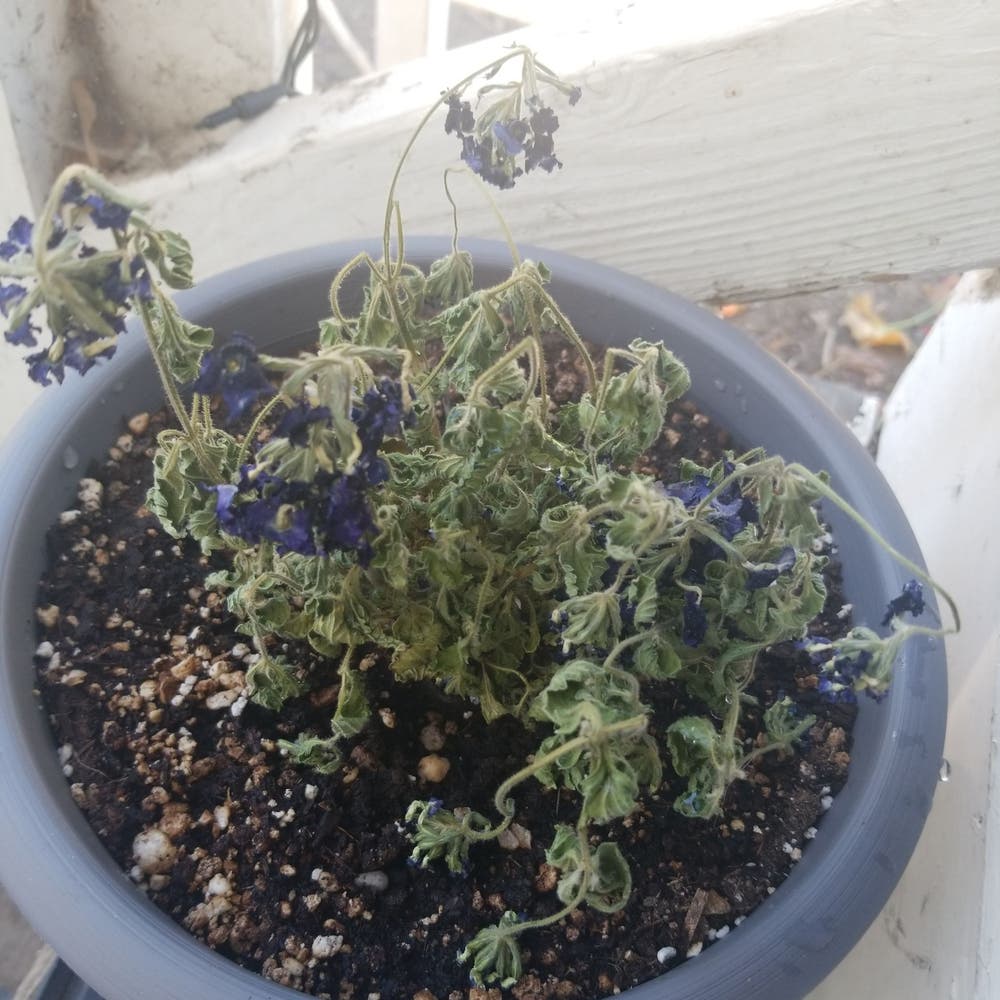
🐛 What's Eating Your Dwarf Verbena
Verbena tenuisecta
By the Greg Editorial Team
Oct 20, 2024•6 min read
This article was created with the help of AI so we can cover more plants for you. May contain errors. See one? Report it here.
Safeguard your dwarf verbena from pesky herbivores 🐇 while fostering a thriving garden ecosystem! 🌱
- 🦌 Dwarf verbena faces threats from deer, rabbits, squirrels, and more.
- 🚫 Effective deterrents include repellents, fences, and companion planting.
- 🌼 Regular monitoring ensures early detection of herbivore damage.
Common Herbivores Affecting Dwarf Verbena
🦌 Deer
Signs of presence and damage caused
Look for hoof prints in muddy areas, which indicate deer activity. They often browse on flowers and young shoots, leading to stunted growth.
Beneficial vs. harmful interactions
Deer are generally harmful to dwarf verbena. If not managed, they can decimate populations quickly.
Deterrent methods
To keep deer at bay, consider using commercial deer repellents. Organic methods include erecting 8-foot tall fences and planting deer-resistant species nearby.
🐇 Rabbits
Signs of presence and damage caused
Rabbits leave small, round droppings and often chew on stems. Their gnawing results in ragged edges on young shoots and flowers.
Beneficial vs. harmful interactions
Rabbits are generally harmful, significantly reducing flowering and overall plant health.
Deterrent methods
For easy deterrence, use rabbit repellents containing predator urine. You can also plant companion plants like marigolds or surround your plants with chicken wire.
🐿️ Squirrels
Signs of presence and damage caused
Squirrels dig around the base of plants and may leave you missing flowers. Their activities can lead to flower destruction and uprooting of young plants.
Beneficial vs. harmful interactions
Squirrels are generally harmful, disrupting plant growth and flowering.
Deterrent methods
Consider using squirrel repellents with capsaicin as a chemical deterrent. Organic options include installing motion-activated sprinklers or using netting.
🐦 Birds
Signs of presence and damage caused
Look for peck marks on flowers and scattered seeds. Birds can eat flowers and seeds, leading to reduced reproduction.
Beneficial vs. harmful interactions
Birds have mixed interactions with dwarf verbena. While some are beneficial pollinators, others can cause damage.
Deterrent methods
Use bird-safe repellents as a chemical deterrent. Organic methods include hanging reflective objects or using bird netting.
🐭 Rodents (mice, voles)
Signs of presence and damage caused
Rodents leave signs like tunnels near the base of plants and droppings. They gnaw on roots and stems, which can lead to plant decline.
Beneficial vs. harmful interactions
Rodents are generally harmful, severely affecting plant health and stability.
Deterrent methods
For a harder approach, consider rodent bait stations as a chemical deterrent. Organic methods include trapping and using natural predators like barn owls.
🦡 Groundhogs/Woodchucks
Signs of presence and damage caused
Groundhogs create large burrows and chew on stems. Their extensive damage often results in uprooting entire plants.
Beneficial vs. harmful interactions
Groundhogs are generally harmful and can devastate entire patches of dwarf verbena.
Deterrent methods
Use commercial groundhog repellents as a chemical deterrent. Organic methods include fencing and planting deterrent plants like garlic.
Understanding these common herbivores is crucial for protecting your dwarf verbena. With the right strategies, you can maintain a healthy garden ecosystem while minimizing damage from these pesky visitors.
Beneficial Animals and Ecosystem Impact
🦋 Positive Interactions with Dwarf Verbena
Dwarf verbena is a magnet for beneficial insects. It attracts butterflies, which are essential for pollination, and bees, known for boosting fruit and seed production.
These insects play a crucial role in maintaining a vibrant garden ecosystem. Their presence not only enhances biodiversity but also supports other wildlife by providing a food source.
🐝 Role of Beneficial Insects
Pollinators like butterflies and bees significantly improve garden health. They help ensure that plants reproduce effectively, leading to a flourishing environment.
Moreover, these insects contribute to the overall ecosystem by serving as food for various animals. This interconnectedness highlights the importance of fostering a healthy habitat for both plants and wildlife.
In summary, encouraging beneficial insects is vital for a thriving garden. By attracting these pollinators, you not only enhance the beauty of your space but also support the broader ecosystem.
As we explore further, let’s consider general strategies for protecting your dwarf verbena from herbivores while maintaining this beneficial balance.
General Strategies for Protection
🛡️ Preventive Measures for Dwarf Verbena
To keep your Dwarf Verbena thriving, consider planting them in areas less frequented by herbivores. This simple strategy can significantly reduce the chances of damage.
Companion planting is another effective tactic. By surrounding your Verbena with plants that deter pests, you create a natural barrier against unwanted visitors.
⚠️ Reactive Solutions for Managing Animal Interactions
Regular monitoring is crucial. Keep an eye out for signs of damage, as early detection can save your plants from severe harm.
When you notice herbivore activity, take immediate action. Quick responses can mitigate damage and help your Verbena bounce back.
🌱 Balancing Ecosystem Health While Protecting Plants
Encouraging beneficial insects is essential for a healthy garden. While managing harmful herbivores, you can still support pollinators that enhance biodiversity.
Understanding the role of each animal in your garden ecosystem is key. This knowledge allows you to strike a balance between protection and fostering a vibrant environment.
By implementing these strategies, you can enjoy a flourishing Dwarf Verbena garden while maintaining a healthy ecosystem. Next, let’s explore seasonal considerations that impact your plants.
Seasonal Considerations
🐇 Seasonal Variations in Animal Attraction to Dwarf Verbena
As spring rolls in, rabbits and groundhogs become more active, emerging from their winter slumber. This increased activity can lead to more frequent visits to your Dwarf Verbena, as these herbivores seek out tender new growth.
In summer, the vibrant blooms of Dwarf Verbena reach their peak, attracting not only pollinators but also a variety of herbivores. While the flowers draw in beneficial insects, they can also entice unwanted visitors looking for a tasty snack.
⏰ Timing of Plant Vulnerability
Young shoots are particularly vulnerable in early spring. This is when they are most tender and appealing to hungry herbivores.
During peak bloom, flowering plants become a buffet for various animals. It's essential to keep an eye on your Dwarf Verbena during this time to prevent significant damage from herbivores.
Understanding these seasonal patterns can help you better protect your plants while enjoying the beauty they bring to your garden. With the right strategies, you can foster a thriving ecosystem that benefits both your Dwarf Verbena and the wildlife around it.
Toxicity and Safety
🐾 Toxic effects of Dwarf Verbena on animals
Dwarf Verbena is generally considered non-toxic. However, if consumed in large quantities, it may lead to mild gastrointestinal upset in animals.
⚠️ Safety considerations for gardeners
Gardeners should be mindful of how Dwarf Verbena interacts with pets and local wildlife.
Using chemical deterrents? Make sure they are safe for surrounding flora and fauna to avoid unintended harm.
Awareness is key to maintaining a healthy garden ecosystem while keeping your plants safe.
By understanding these safety aspects, you can enjoy the beauty of Dwarf Verbena without worry.
This knowledge sets the stage for exploring how to protect your plants effectively.
⚠️ Safety First
This content is for general information and may contain errors, omissions, or outdated details. It is not medical, veterinary advice, or an endorsement of therapeutic claims.
Always consult a qualified healthcare professional before using any plant as food, medicine, or supplement.
Never eat any plant (or feed one to pets) without confirming its identity with at least two trusted sources.
If you suspect poisoning, call Poison Control (800) 222-1222, the Pet Poison Helpline (800) 213-6680, or your local emergency service immediately.
Spotted an error? Please report it here.
Keep your dwarf verbena thriving and herbivore-free 🦌 with Greg's personalized care tips and reminders that help you implement effective deterrents and monitor for any signs of trouble!