
Turkish Rose
Taxonomy

Rosa turcica
Rosa
Rosaceae
Rosales

How to care for Turkish Rose
How often to water your Turkish Rose

every 9
Turkish Rose needs 0.5 cups of water every 9 when it doesn’t get direct sunlight and is potted in a 5" pot.
Use our water calculator to personalize watering recommendations to your environment or download Greg for more advanced recommendations for all of your plants.
Water 0.5 cups every
9
Finding light for Turkish Rose in your home

a window
Turkish Rose love being close to bright, sunny windows 😎.
Place it less than 1ft from a south-facing window to maximize the potential for growth.
Turkish Rose does not tolerate low-light 🚫.
Select your region to see how the current weather in your area affects the placement of Turkish Rose in your home 🏡.
How to fertilize Turkish Rose

Most potting soils come with ample nutrients which plants use to produce new growth.
By the time your plant has depleted the nutrients in its soil it’s likely grown enough to need a larger pot anyway.
To replenish this plant's nutrients, repot your Turkish Rose after it doubles in size or once a year—whichever comes first.
-
is my Alpine rose dying she's grown little black dots on most of her leaves (some more than others) and i don't know if she's sick. many of the leaves were wilting so i pruned them this morning. is there anything I'm doing wrong?
-
Hi! I'm a very new plant parent, this is my first time and I'd first like to ask some help identifying if this is a type of #MiniatureRose. I got him March 22, he looked like the orange photo when I got it. After the blooms were spent I deadheaded and added a bit of slow release fertilizer, they are placed out in the yard and few days later there were a lot of new shoots coming out! My problem was a lot of blooms are coming out small and are browning before they open, like in the third picture. I may have made a mistake of overwatering almost everyday for a week but I'm not entirely sure if it was the only problem. A couple of yellow leaves start forming but I removed them already, and I would like to ask for help on what to do. Thank you so much! #HappyPlants #PlantsMakePeopleHappy #PlantAddict #PlantTherapy #NewPlantMom #NewPlants #Newbie #help #helpneeded #planthelp
-
My plant has yellow leaves, why? #ChinaRose
-
Hi! My china rose has yellowed leaves closer to the base. It was away from direct sunlight over the winter, now it's moved back to an east facing window. What does it need? #ChinaRose
-
My china rose seems to have caught something. I’m new with roses, can anyone direct me? What does she need? Fertilizer? Vitamins? Help me please #ChinaRose
-
Does not look good what am I doing wrong? #ChinaRose
-
White spots on leaves #ChinaRose
-
I just love the color of new rose leaves. None of the YouTubers I’ve seen grow roses. Are y’all sleeping on roses? Couldn’t be me
-
I’ve been seeing a ton of “rare” plants or seeds for sale lately. Basically anything that has the word “rare” in it is a scam. Some color patterns are unbelievable but real like my Neil Diamond Rose (pink and white, tagged below). The majority of incredible colors are fake as are the majority of sponsored plant ads that show up above search results. I’ve only seen roses lately. Some are AI generated. Others are touched up in PhotoShop. Remember that roses can’t be blue. “Blue” hybrid roses are actually purple. In general, avoid rose seeds. Nobody legit sells seeds. Also any seeds from a hybrid plant won’t look like the parent. I’ve reported some eBay and Walmart listings as well as entire websites to the domain host. If you have been scammed, report them on the FBI’s Internet Crimes form
-
I pruned between 1/4 and 1/3 off each stem on my Neil Diamond Rose bc it was getting a fungal problem with dark, dead sections of leaves. I just got it this year, and it’s my most prized plant. I wasn’t going to risk pruning a little and the rest getting sick. Pruning has sparked so much new growth, I should have done it even if it wasn’t sick #HappyPlants


Care Summary for Turkish Rose
Turkish Rose
 Greg recommends:
 Water
Water
0.5 cups every 9 days
 Placement
< 1ft from a window
 Nutrients
Repot after 2x growth
Based on the 4” pot your plant is in, and that it doesn’t get direct sunlight.
 Trending in your area
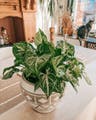
Arrowhead Plant
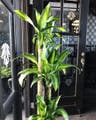
Cornstalk Dracaena
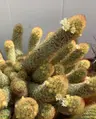
Lady Finger Cactus
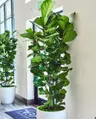
Fiddle Leaf Fig

Arabian Coffee Plant
Pinstripe Calathea

Golden Barrel Cactus
Weeping Fig
Jelly Bean Plant

String of Buttons

Window Leaf

Polka Dot Begonia

Lucky Bamboo

Swiss Cheese Vine

Rex Begonia
Philodendron Birkin

String of Bananas
Triostar Stromanthe
 Similar to Turkish Rose
✨ Discover rare plants

Kilimanjaro Plant

Pine Cone Plant

Burro's Tail

Fagraea ceilanica

Anthurium 'Fantasy Lo…
Hoya 'Memoria'
Graptopetalum 'Marqui…

Scotch Moss

Caladium

Haworthia emelyae com…
Rosularia platyphylla

Variegated Arrowhead …

Fernleaf Lavendar

Scindapsus pictus 'Si…

Peperomia 'Harmony's …

Aloe 'Lavender Star'

Orange Lipstick Plant
