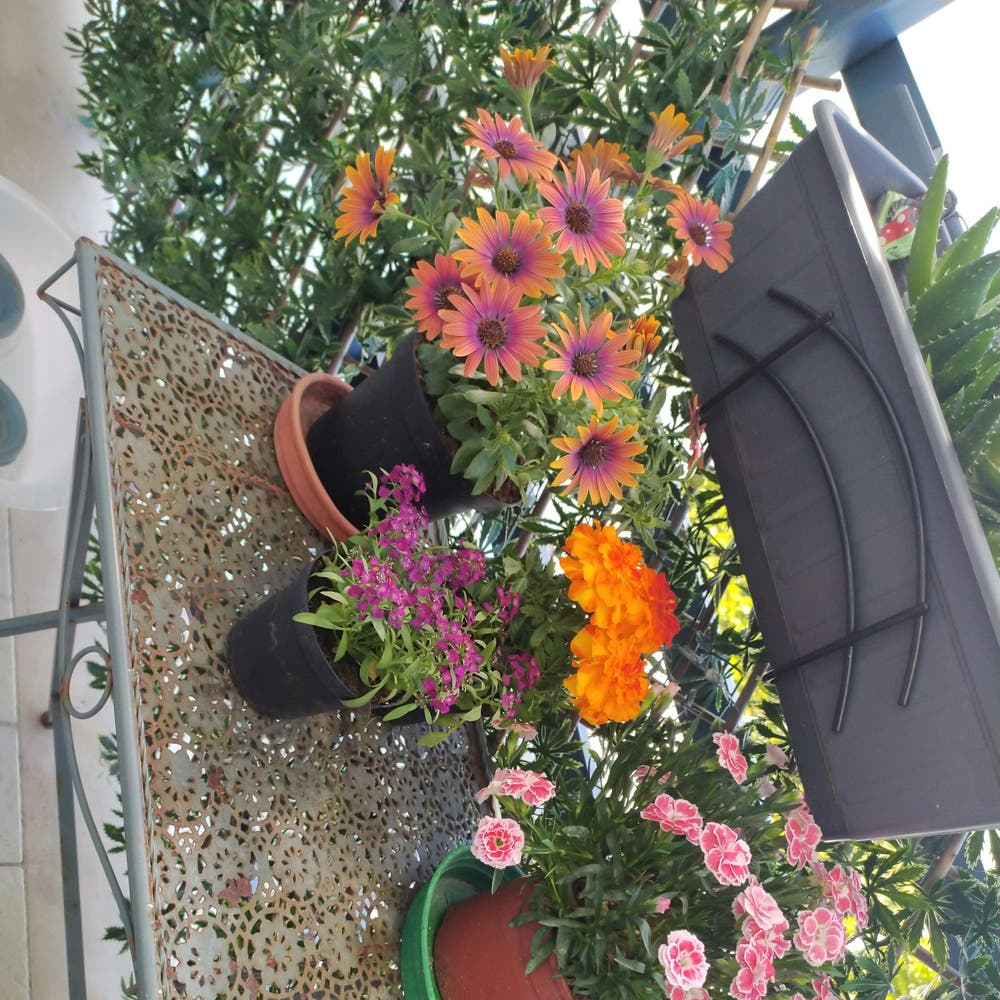
🌼 Overview of Sweet Alyssum 'Easter Bonnet White'
Lobularia maritima 'Easter Bonnet White'
By the Greg Editorial Team
Feb 04, 2025•12 min read
This article was created with the help of AI so we can cover more plants for you. May contain errors. See one? Report it here.
- 🌞 Sweet Alyssum 'Easter Bonnet White' needs 6-8 hours of sunlight daily for optimal growth.
- 🌱 Use well-draining soil with pH 6.0-7.0 to support healthy development.
- 🌼 Regular watering and pruning enhance blooming and prevent common issues like wilting.
How to Grow
Choosing a Location 🌞
Sweet Alyssum 'Easter Bonnet White' thrives in full sun, requiring 6-8 hours of sunlight daily. If you're considering container gardening, ensure the location receives adequate light while also protecting the plants from harsh winds.
Soil Preparation 🌱
For optimal growth, use well-draining, fertile soil. Aim for a pH level between 6.0 and 7.0, slightly acidic to neutral, and enrich your soil with organic matter to enhance drainage and fertility.
Planting Techniques 🌼
The best time to plant is in spring, right after the last frost. Space your seeds 6-12 inches apart and cover them lightly with soil to ensure they have enough room to grow.
Watering Requirements 💧
Regular watering is essential to maintain consistent moisture in the soil. Watch for signs of overwatering, such as yellowing leaves and wilting, which can indicate that your plants are struggling.
Fertilizing Schedule 🌿
Use a balanced, slow-release fertilizer to nourish your Sweet Alyssum. Apply it every 4-6 weeks during the growing season to keep your plants healthy and vibrant.
Pruning Methods ✂️
Prune your plants after flowering to encourage new growth. Deadheading spent flowers not only keeps your garden looking tidy but also promotes further blooming.
Ongoing Care Tips 🔍
Keep an eye out for pests and diseases that may affect your plants. Adjust your watering schedule based on weather conditions to ensure your Sweet Alyssum remains healthy and flourishing.
With these growing tips, you'll be well on your way to cultivating a beautiful display of Sweet Alyssum 'Easter Bonnet White' in your garden. Next, let's explore how to propagate this delightful plant!
Propagation
🌱 Seed Propagation Steps
Propagating Sweet Alyssum 'Easter Bonnet White' from seeds is straightforward. Start by collecting seeds from mature plants after they have finished flowering.
Next, sow the seeds indoors 6-8 weeks before the last frost or directly outdoors once the frost has passed.
Keep the soil consistently moist until germination occurs, which typically takes 7-14 days.
✂️ Cutting Propagation Steps
Alternatively, you can propagate through cuttings for a quicker method. Begin by taking 4-6 inch cuttings from healthy plants.
Remove the lower leaves and dip the cut end in rooting hormone to encourage root development.
Finally, plant the cuttings in a well-draining medium and keep the soil moist until roots develop, which usually takes about 2-3 weeks.
With these propagation techniques, you can easily expand your Sweet Alyssum collection and enjoy their delightful blooms.
Next, let's explore the lifecycle of this charming plant, from germination to flowering.
Lifecycle
Overview of Life Cycle Stages 🌱
Sweet Alyssum 'Easter Bonnet White' follows an annual lifecycle, meaning it grows, flowers, and dies within a single growing season. This rapid cycle allows gardeners to enjoy its beauty without long-term commitment.
Germination Process 🌧️
The germination process typically takes 7-14 days under optimal conditions. Providing warmth and moisture will encourage seeds to sprout quickly.
Seedling Stage 🌿
During the seedling stage, the plant develops true leaves and establishes its root system. This phase is crucial for ensuring a strong foundation for future growth.
Vegetative Growth 🌳
In the vegetative growth phase, Sweet Alyssum focuses on forming lush foliage and expanding its root system. This stage is vital for nutrient absorption and overall plant health.
Flowering Phase 🌸
The flowering phase kicks off in late spring to early summer, showcasing delightful blooms that last several weeks. This is when the plant truly shines, attracting pollinators and adding charm to any garden.
Seed Production 🌾
After flowering, the plant enters the seed production stage. Seeds can be collected for future planting, allowing gardeners to propagate new plants easily.
Lifespan and Growth Timeline ⏳
From seed to flowering, Sweet Alyssum takes approximately 8-12 weeks to reach full growth. Its rapid growth rate is especially noticeable in ideal conditions, making it a rewarding choice for gardeners looking for quick results.
This lifecycle not only highlights the beauty of Sweet Alyssum but also its practicality in garden planning. Understanding these stages can help you maximize your gardening efforts and enjoy a vibrant display throughout the season.
Size
Mature Height and Spread 🌱
Sweet Alyssum 'Easter Bonnet White' typically reaches a height of 6 to 12 inches. Its spread can extend from 12 to 18 inches, creating a lovely, lush ground cover.
Growth Rate Specifics ⚡️
This plant is known for its fast growth rate, quickly reaching maturity. Under optimal conditions, you can expect it to flourish in just a few weeks.
Size Variability Based on Conditions 🌈
Several factors influence the size of your Sweet Alyssum. Soil quality, sunlight exposure, and watering practices all play crucial roles in determining how robust your plants will grow.
In summary, providing the right conditions can lead to a vibrant display of blooms that enhance your garden's beauty. Next, let’s explore the root system characteristics that support this lovely plant's growth.
Roots
Root System Characteristics 🌱
Sweet Alyssum 'Easter Bonnet White' features a fibrous root system. These roots are shallow and spread out, allowing the plant to absorb moisture and nutrients efficiently.
Common Root-Related Issues 🚫
One of the most common problems is root rot, which occurs due to overwatering. Signs of root rot include wilting and yellowing leaves, indicating that the roots are struggling to function.
Identifying Healthy vs. Unhealthy Roots 🔍
Healthy roots are firm, white, and well-distributed throughout the soil. In contrast, unhealthy roots appear dark, mushy, or may even emit a foul smell, signaling a need for immediate attention.
Recognizing Rootbound Plants and Solutions 🪴
If you notice roots growing out of drainage holes or circling the pot, your plant may be rootbound. The best solutions are to repot the plant into a larger container or divide it to encourage healthier growth.
This understanding of root systems will help you provide the best care for your Sweet Alyssum. Next, let’s explore the benefits of growing this delightful plant in your garden.
Benefits
Top 5 Benefits of Growing Sweet Alyssum 'Easter Bonnet White' 🌼
Attracts Pollinators: This charming flower draws in beneficial pollinators like bees and butterflies, enhancing your garden's ecosystem.
Ground Cover: Its dense growth habit provides excellent ground cover, helping to reduce soil erosion and retain moisture.
Sweet Fragrance: The delightful scent of Sweet Alyssum adds a lovely aroma to your garden, creating an inviting atmosphere.
Natural Pest Management: By deterring certain pests, this plant contributes to a healthier garden environment without the need for harsh chemicals.
Versatile Usage: Whether in borders, containers, or rock gardens, Sweet Alyssum fits beautifully into various garden designs.
Symbolism and Cultural Significance 🌸
Sweet Alyssum often symbolizes purity and innocence, making it a popular choice for various cultural celebrations. Its presence in gardens can evoke feelings of joy and tranquility, adding a touch of beauty to any setting.
With its many benefits and rich symbolism, Sweet Alyssum 'Easter Bonnet White' is a fantastic addition to any garden. Next, let’s explore the best companion plants that can enhance its growth and overall garden health.
Companion Plants
🌱 Concept of Companion Planting
Companion planting is a gardening strategy that enhances diversity and promotes natural pest management. By pairing plants that benefit each other, you can create a healthier and more productive garden.
🌼 Best Companion Plants
- Marigolds: Known for their pest-repellent properties, marigolds can help keep harmful insects at bay.
- Petunias: These vibrant flowers share similar care needs with Sweet Alyssum and add visual appeal to your garden.
- Herbs like Basil: Basil attracts beneficial insects, making it a perfect companion for Sweet Alyssum.
🚫 Plants to Avoid
When selecting companion plants, steer clear of heavy feeders. These plants can compete for nutrients, potentially stunting the growth of your Sweet Alyssum.
By choosing the right companions, you can create a thriving garden ecosystem that supports your Sweet Alyssum while enhancing its beauty and resilience. Next, let’s explore the potential problems you might encounter while growing this delightful flower.
Toxicity to Humans
🛡️ Safety for Humans
Sweet Alyssum 'Easter Bonnet White' is generally safe for humans. It is not listed as toxic by major poison control centers, making it a worry-free addition to your garden.
However, there are potential minor issues to be aware of. Consuming large quantities may lead to mild skin irritation or digestive discomfort.
Always exercise caution with any plant. If you experience unusual symptoms after contact or consumption, seek medical advice promptly.
This plant can enhance your garden without the fear of toxicity, allowing you to enjoy its beauty and fragrance with peace of mind.
Toxicity to Dogs
Safety for Dogs 🐶
Sweet Alyssum 'Easter Bonnet White' is generally safe for dogs. Major pet poison control centers do not list it as toxic, which is great news for pet owners.
Potential Minor Issues 🚨
While it's not harmful, consuming large quantities may lead to mild gastrointestinal upset. It's always wise to keep an eye on your furry friends to ensure they don't munch too much.
Tips for Introducing to Homes with Dogs 🏡
When introducing this plant into your home, consider its placement. Position it out of reach of curious noses and paws to prevent any accidental snacking.
Monitoring Behavior 👀
Keep an eye on your dog's behavior around the plant. If they show unusual interest, it might be best to relocate the plant or provide distractions to keep them engaged elsewhere.
With these precautions, you can enjoy the beauty of Sweet Alyssum while ensuring your dog's safety. Now, let’s explore how this lovely plant can coexist with other garden favorites!
Toxicity to Cats
Safety for Cats 🐱
Sweet Alyssum 'Easter Bonnet White' is not considered toxic to cats by major pet poison control centers. This means you can enjoy its beauty without worrying about your feline friends.
Potential Minor Issues ⚠️
While generally safe, consuming large quantities may lead to mild gastrointestinal upset in cats. It's always a good idea to monitor your pets' behavior around new plants.
Tips for Introducing to Homes with Cats 🏡
To ensure a harmonious coexistence, place the plant in areas that are less accessible to your cats. Regularly observe their interactions with the plant to prevent any unwanted nibbling.
Conclusion 📜
By taking a few precautions, you can safely incorporate Sweet Alyssum into your home. This delightful plant can enhance your space while keeping your furry companions safe.
Next, let’s explore the common problems you might face while growing Sweet Alyssum and how to tackle them effectively.
Problems
Common Problems Faced 🌱
Growing Sweet Alyssum 'Easter Bonnet White' can be rewarding, but it's not without its challenges. Here are the top five problems you might encounter:
- Incorrect watering: Overwatering can lead to yellowing leaves, while underwatering results in wilting.
- Incorrect light conditions: Insufficient light causes leaf yellowing or stretching as the plant reaches for the sun.
- Diseases: Look out for powdery mildew and rust, which can affect overall plant health.
- Root problems: Root rot manifests as squishy roots, often due to excessive moisture.
- Leaf issues: Scorching and yellowing leaves can indicate stress from environmental factors.
Identifying Symptoms and Causes 🔍
Understanding the symptoms is key to diagnosing issues early.
- Incorrect watering: Yellow leaves signal overwatering, while drooping indicates underwatering.
- Incorrect light conditions: Stretched stems and pale leaves suggest inadequate light.
- Diseases: Powdery mildew appears as white spots, while rust shows up as orange or brown pustules.
- Root problems: Squishy roots are a clear sign of root rot, often accompanied by wilting.
- Leaf issues: Scorched leaves may have crispy edges, while yellowing can indicate nutrient deficiencies.
Solutions for Top 5 Common Issues 🛠️
Addressing these problems can help revive your Sweet Alyssum.
- Incorrect watering: Adjust your watering schedule. Ensure the top inch of soil dries out between waterings.
- Incorrect light conditions: Move your plants to a sunnier spot or provide supplemental light if indoors.
- Diseases: Improve air circulation and avoid overhead watering to prevent fungal diseases.
- Root problems: If you suspect root rot, remove the plant from the pot, trim affected roots, and repot in fresh, well-draining soil.
- Leaf issues: For scorching, provide some shade during the hottest part of the day and check for nutrient imbalances.
By keeping an eye on these common problems and their solutions, you can ensure your Sweet Alyssum thrives beautifully. Next, let’s explore the potential pests that could disrupt your gardening success.
Bugs
🐛 Potential Pest Issues
Sweet Alyssum 'Easter Bonnet White' is generally pest-resistant, making it a favorite among gardeners. However, it can still attract a few pesky critters that may cause trouble.
🔍 Identification of Pests
The most common pests to watch for include:
- Aphids: Tiny, soft-bodied insects that cluster on new growth.
- Spider Mites: Microscopic pests that create fine webs and cause stippling on leaves.
- Whiteflies: Small, white flying insects that can be found on the undersides of leaves.
⚠️ Damage Caused by Pests
Pests can lead to several visible issues:
- Leaf Curling: A sign of aphid or spider mite infestation.
- Discoloration: Leaves may turn yellow or develop spots.
- Stunted Growth: Overall plant health can decline, affecting flowering and vitality.
🧪 Treatment Options for Pest Control
To keep your Sweet Alyssum thriving, consider these treatment options:
- Organic Methods: Introduce beneficial insects like ladybugs or use insecticidal soap to target pests without harming the plant.
- Chemical Control: If infestations are severe, opt for targeted pesticides that are safe for flowering plants.
By staying vigilant and addressing pest issues promptly, you can enjoy a healthy and vibrant display of Sweet Alyssum in your garden. Next, let’s explore what animals might be lurking around, looking to nibble on your beautiful blooms.
What Eats
Common Animals That May Damage 🦌
Sweet Alyssum 'Easter Bonnet White' can attract a variety of hungry critters. Deer, rabbits, squirrels, and rodents are known to munch on these delicate flowers.
Signs of Animal Presence 🐾
Keep an eye out for signs of these visitors. Tracks, droppings, and damaged foliage can indicate that your plants have become a buffet for local wildlife.
Types of Damage Caused 🥴
When animals feast on your Sweet Alyssum, they can cause significant harm. Browsing on flowers and leaves often leads to stunted growth and unsightly plants.
Deterrent Methods 🚫
To protect your garden, consider implementing a few deterrent strategies. Fencing can create a physical barrier, while repellents can make the plants less appealing. Companion planting with stronger-smelling herbs can also help keep these pests at bay.
With these tips, you can safeguard your Sweet Alyssum and enjoy its beauty without the worry of unwanted nibblers. Next, let’s explore the common problems you might face while growing this charming flower.
⚠️ Safety First
This content is for general information and may contain errors, omissions, or outdated details. It is not medical, veterinary advice, or an endorsement of therapeutic claims.
Always consult a qualified healthcare professional before using any plant as food, medicine, or supplement.
Never eat any plant (or feed one to pets) without confirming its identity with at least two trusted sources.
If you suspect poisoning, call Poison Control (800) 222-1222, the Pet Poison Helpline (800) 213-6680, or your local emergency service immediately.
Spotted an error? Please report it here.
Grow a blooming garden of Sweet Alyssum 'Easter Bonnet White' 🌼 with Greg's custom watering reminders and care tips that keep your plants thriving all season long!