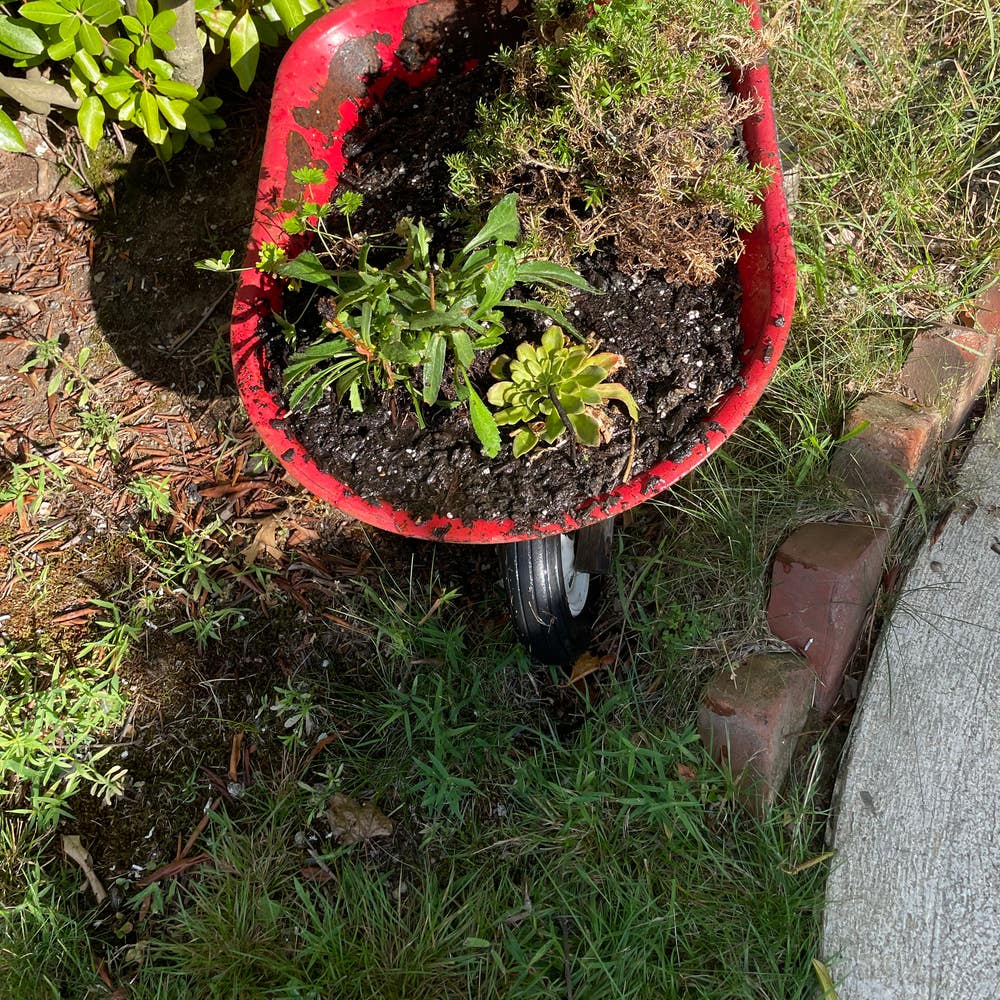
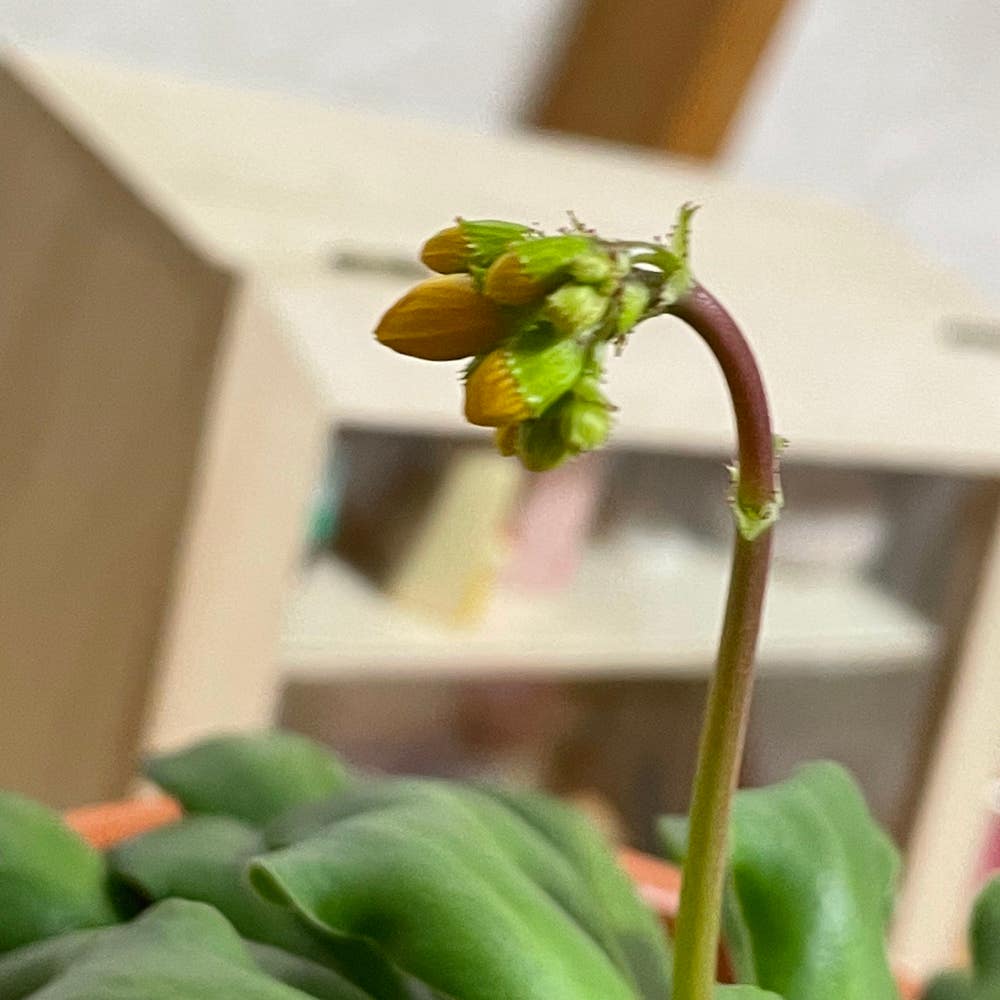
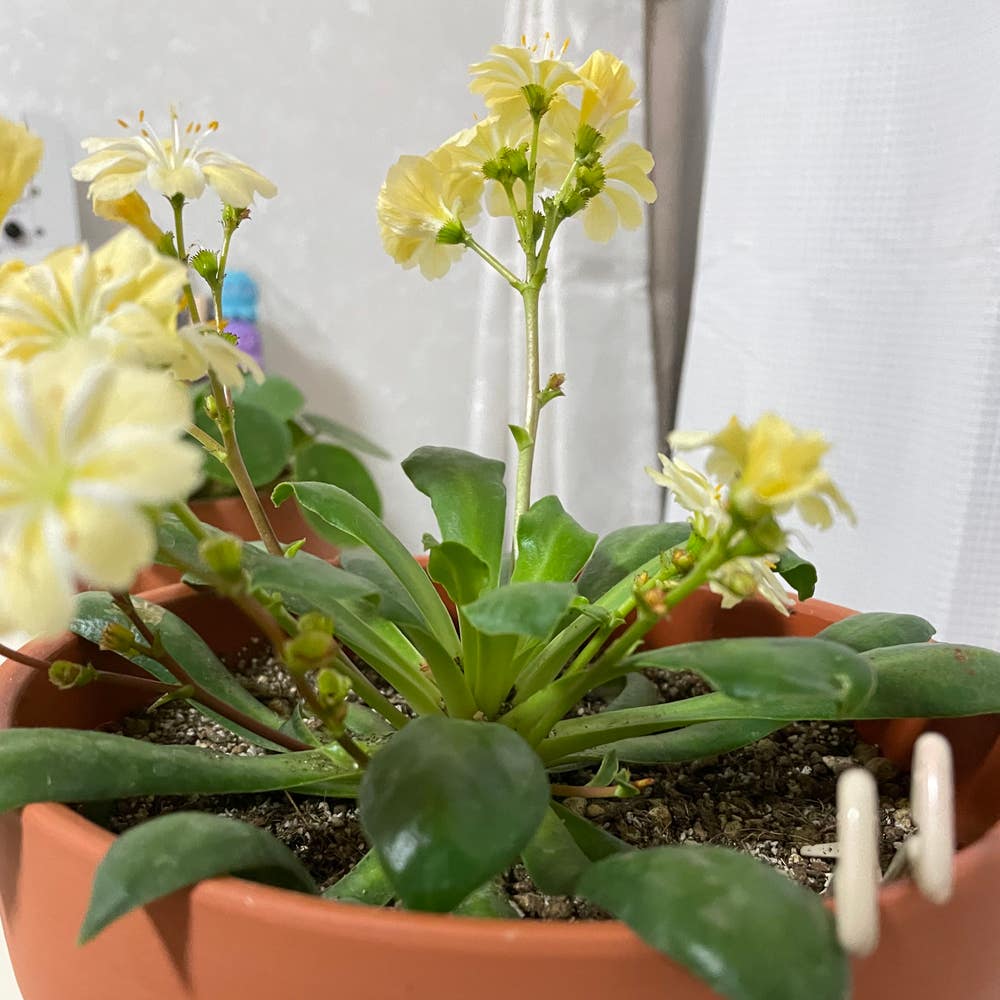
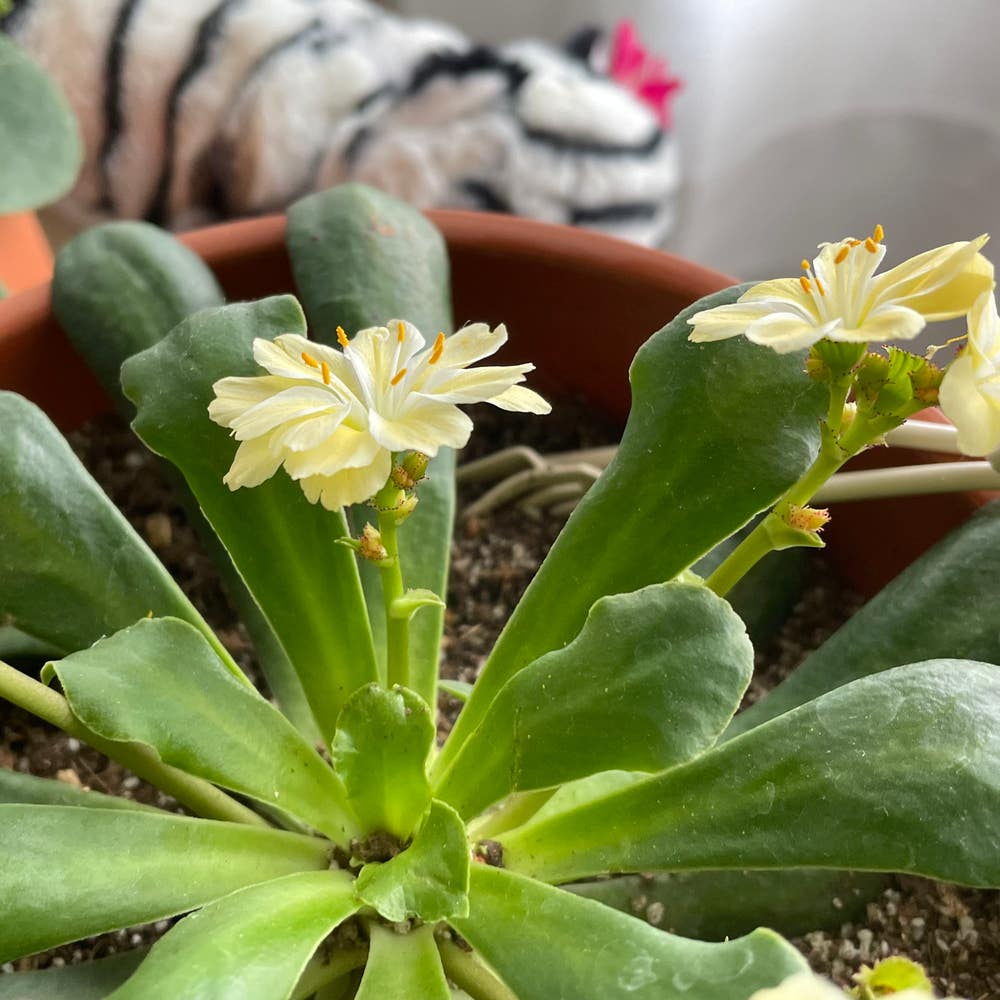
🌸 Introduction to Stebbins' Lewisia
Lewisia stebbinsii
By the Greg Editorial Team
Feb 10, 2025•10 min read
This article was created with the help of AI so we can cover more plants for you. May contain errors. See one? Report it here.
- 🌞 Stebbins' Lewisia needs 6-8 hours of sunlight for optimal growth and blooming.
- 🌱 Well-draining soil is crucial to prevent root rot and ensure healthy plants.
- 🐝 This plant attracts pollinators and thrives with proper care and maintenance.
How to Grow
Choosing a Location 🌞
To successfully grow Stebbins' Lewisia, start by selecting the right location. This plant loves full sun, requiring 6-8 hours of direct sunlight daily, and it thrives in moderate temperatures, so avoid placing it in areas with extreme heat.
Soil Preparation 🏜️
Next, focus on soil preparation. Stebbins' Lewisia prefers well-draining, rocky, or sandy soil, which helps prevent root rot. Ensure that the drainage is excellent to keep the roots healthy and happy.
Planting Techniques 🌱
When planting, maintain proper spacing and depth. Space your plants 12-18 inches apart to allow for optimal growth, and plant them at the same depth they were in their nursery pots to ensure they settle in well.
Watering Requirements 🚰
Watering is crucial for the health of your Lewisia. Check the soil regularly and water when the top inch feels dry, using a method that targets the base of the plant to avoid wetting the foliage.
Fertilizing 🍽️
Fertilizing your plants will help them flourish. Use a balanced, slow-release fertilizer and apply it once in early spring to provide the nutrients they need for robust growth.
Pruning and Ongoing Care ✂️
Regular maintenance is key to a vibrant garden. Deadhead spent flowers to encourage new blooms and routinely check for pests and diseases to keep your plants thriving.
By following these guidelines, you’ll create an ideal environment for your Stebbins' Lewisia to flourish. Next, let’s explore how to propagate this beautiful plant for even more blooms in your garden.
Propagation
Seed Propagation 🌱
Growing Stebbins' Lewisia from seeds is a rewarding experience. Start by sowing seeds in spring and keep the soil moist until germination, which typically takes 2-4 weeks.
Division of Established Plants ✂️
Dividing established plants is another effective propagation method. The best time to do this is in early spring or fall, and you should carefully separate the root ball into sections to ensure each part can thrive.
Cuttings 🌿
Taking cuttings is a straightforward way to propagate Lewisia. Use healthy stems that are 3-4 inches long, and place them in a well-draining medium while keeping them moist to encourage rooting.
This propagation knowledge will help you expand your Lewisia collection or share with fellow gardening enthusiasts. Next, let’s explore the lifecycle of this beautiful plant and what to expect as it grows.
Lifecycle
🌱 Lifecycle Stages
The lifecycle of Stebbins' Lewisia unfolds through several distinct stages: seed, seedling, vegetative growth, flowering, and seed production. Each phase is crucial for the plant's development and overall health.
🌡️ Germination Period and Conditions
Germination typically occurs within 2-4 weeks under optimal conditions. Providing consistent moisture and warmth during this period is essential for successful sprouting.
🌿 Seedling Stage Characteristics
During the seedling stage, the plant develops true leaves and establishes its root system. This foundational growth is vital for future health and vigor.
⏳ Time to Maturity
Stebbins' Lewisia usually takes about 1-2 years to reach flowering maturity. Patience is key, as this time allows the plant to build strength and resilience.
🌳 Lifespan
Once established, Stebbins' Lewisia can live for several years, producing seeds annually. This longevity not only enhances your garden's beauty but also contributes to its ecological balance.
As you nurture your Lewisia through its lifecycle, you'll witness its transformation and resilience, making it a rewarding addition to your garden. Next, let’s explore the size of this remarkable plant and how it can fit into your landscape.
Size
Mature Height and Spread 🌱
Stebbins' Lewisia typically reaches a mature height of 6 to 12 inches. Its spread can extend from 12 to 18 inches, making it a compact yet vibrant addition to any garden.
Growth Rate and Factors Affecting Size 📈
This plant has a moderate growth rate, which can be influenced by several factors. Soil quality and sunlight exposure play crucial roles in determining how robust your Lewisia will become.
Size Variability 📏
It's important to note that the size of Stebbins' Lewisia can vary depending on its growing conditions. Plants in containers may not reach the same dimensions as those planted directly in garden beds, so consider your planting choice carefully.
As you plan your garden, keep these size characteristics in mind to ensure your Lewisia thrives in its designated space. Next, let’s explore the fascinating lifecycle of this resilient plant.
Roots
🌱 Description of Root System
The root system of Stebbins' Lewisia features a robust taproot. This design allows the plant to anchor deeply into the soil, providing stability and access to moisture.
📏 Root Depth and Spread
These roots can reach depths of up to 12 inches. They also extend laterally, which helps support the plant's overall stability and nutrient uptake.
⚠️ Common Root-Related Issues
Root rot is a common issue, primarily caused by overwatering. To prevent this, ensure proper drainage in the soil.
Signs of a rootbound plant include stunted growth and circling roots. This occurs when the roots outgrow their container and can lead to poor health.
👀 Visual Cues for Healthy vs. Unhealthy Roots
Healthy roots are typically firm, white, and spread out evenly. In contrast, unhealthy roots may appear dark, mushy, or emit a foul smell.
Understanding these root characteristics can help you maintain a thriving Stebbins' Lewisia. With proper care, you can enjoy its beauty for years to come.
Next, let's explore the benefits of growing this stunning plant in your garden.
Benefits
Aesthetic Appeal 🌸
Stebbins' Lewisia is a visual delight, boasting bright, colorful flowers that can transform any garden space. Their vibrant hues add a splash of beauty, making them a favorite among gardeners.
Drought Resistance 💧
Once established, these plants are champions of drought resistance. They require minimal watering, making them ideal for low-maintenance gardens.
Attracts Pollinators 🐝
The flowers of Stebbins' Lewisia are not just pretty; they also attract essential pollinators like bees and butterflies. This helps promote biodiversity and supports the health of your garden ecosystem.
Symbolism 🌿
Beyond their beauty, these plants symbolize resilience and grace in harsh conditions. They thrive where many others fail, reminding us of the strength found in nature.
Contribution to Biodiversity 🌍
By planting Stebbins' Lewisia, you contribute to a balanced ecosystem. They support various garden wildlife, enhancing the overall biodiversity of your outdoor space.
Incorporating these plants into your garden not only elevates its aesthetic but also fosters a thriving environment for wildlife. Next, let’s explore the best companion plants to pair with Stebbins' Lewisia for an even more vibrant garden.
Companion Plants
Companion Planting Benefits 🌱
Companion planting is a fantastic way to enhance your garden's diversity while managing pests naturally. By strategically placing plants together, you can create a thriving ecosystem that supports healthy growth.
Best Companion Plants 🌼
When it comes to Stebbins' Lewisia, consider pairing it with sedums, other Lewisia varieties, and drought-tolerant herbs. These companions not only complement the Lewisia's beauty but also share similar water and sunlight needs.
Plants to Avoid 🚫
It's best to steer clear of heavy feeders that require more water. These plants can compete for resources and may hinder the growth of your Lewisia, leading to an unbalanced garden environment.
By choosing the right companions, you can create a vibrant and resilient garden that flourishes together. Next, let’s explore the potential toxicity of Stebbins' Lewisia to humans.
Toxicity to Humans
🛡️ Safety Overview
Stebbins' Lewisia is generally considered safe for humans. Major poison control centers do not list it as toxic, making it a worry-free addition to your garden.
⚠️ Potential Minor Issues
While the plant is non-toxic, consuming it in large quantities may lead to mild skin irritation or digestive discomfort. It's always best to enjoy the beauty of the plant without nibbling on it.
🚨 Cautionary Advice
Even though serious issues are rare, it's wise to exercise caution. If you experience any unusual symptoms after contact or consumption, seeking medical advice is a prudent step.
This knowledge allows you to appreciate Stebbins' Lewisia without fear, enhancing your gardening experience. Next, let’s explore how this plant interacts with our furry friends, focusing on its toxicity to dogs.
Toxicity to Dogs
Safety Overview 🐶
Stebbins' Lewisia is not listed as toxic by major pet poison control centers. This means you can enjoy this beautiful plant without worrying about your furry friends getting sick.
Potential Minor Issues 🤢
While generally safe, consuming large quantities may lead to mild gastrointestinal upset in dogs. It's always best to monitor your pet's behavior around new plants.
Tips for Introducing to Homes 🏡
When bringing Stebbins' Lewisia into your home, ensure proper placement. Keep it out of reach of curious noses and paws, and observe your dog's interactions to prevent any unwanted nibbling.
This way, you can enjoy the beauty of your garden while keeping your pets safe.
Toxicity to Cats
Safety Overview 🐱
Stebbins' Lewisia is not considered toxic by major pet poison control centers. This means you can enjoy its beauty without worrying about your feline friends.
Potential Minor Issues ⚠️
While generally safe, consuming large quantities may lead to mild gastrointestinal upset in cats. It's always best to monitor their behavior around any new plants.
Tips for Introducing to Homes 🏡
When introducing Stebbins' Lewisia to your home, place it in areas that are less accessible to your cats. Keep an eye on their interactions and gently discourage any nibbling to ensure their safety.
With these precautions, you can enjoy the vibrant blooms of Lewisia while keeping your furry companions safe and sound.
Problems
Common Problems 🌱
Growing Stebbins' Lewisia can be rewarding, but incorrect watering is a common issue. Look out for signs like wilting or yellowing leaves, which indicate that your plant may be struggling.
Identification and Causes 🔍
Understanding the causes of these symptoms is crucial. Overwatering can lead to root rot, while underwatering results in wilting. Both conditions can stress your plant and hinder its growth.
Solutions 💧
To keep your Lewisia thriving, adjust your watering schedule based on the plant's needs. Ensure good drainage to prevent water from pooling around the roots, which is essential for healthy growth.
By monitoring your watering habits and making necessary adjustments, you can help your Lewisia flourish. Next, let’s explore the potential pest issues that may arise in your garden.
Bugs
🐛 Potential Pest Issues
While Stebbins' Lewisia is known for its moderate pest resistance, it can still attract a few unwelcome guests. Keeping an eye out for these pests is essential to maintain the health of your plants.
🔍 Identification and Damage
Two common pests to watch for are spider mites and aphids. Spider mites leave fine webbing on the leaves, while aphids create a sticky residue that can indicate their presence.
🧪 Treatment Options
If you spot these pests, don't worry—there are effective treatment options available. Consider using neem oil or insecticidal soap to manage infestations, and introducing beneficial insects can help keep pest populations in check.
By staying vigilant and employing these strategies, you can ensure your Stebbins' Lewisia remains vibrant and healthy. Next, let’s explore what animals might be interested in munching on your beautiful plants.
What Eats
🦌 Common Animals
Stebbins' Lewisia can attract a variety of hungry critters. Common visitors include deer, rabbits, squirrels, and rodents, all of which may find your beautiful blooms irresistible.
🔍 Signs of Damage
Keep an eye out for signs of animal activity. Browsing on leaves, tracks in the soil, and droppings around your plants can indicate that these animals are munching on your Lewisia.
🚫 Deterrent Methods
To protect your plants, consider several effective deterrent methods. Fencing can create a physical barrier, while repellents can discourage animals from approaching. Additionally, companion planting strategies can help by attracting beneficial insects that keep pests at bay.
By implementing these strategies, you can enjoy the beauty of Stebbins' Lewisia without the worry of it becoming a snack for local wildlife.
⚠️ Safety First
This content is for general information and may contain errors, omissions, or outdated details. It is not medical, veterinary advice, or an endorsement of therapeutic claims.
Always consult a qualified healthcare professional before using any plant as food, medicine, or supplement.
Never eat any plant (or feed one to pets) without confirming its identity with at least two trusted sources.
If you suspect poisoning, call Poison Control (800) 222-1222, the Pet Poison Helpline (800) 213-6680, or your local emergency service immediately.
Spotted an error? Please report it here.
Grow vibrant Stebbins' Lewisia 🌼 effortlessly with Greg's tailored watering alerts and care tips, ensuring your garden thrives in full sun while attracting delightful pollinators!