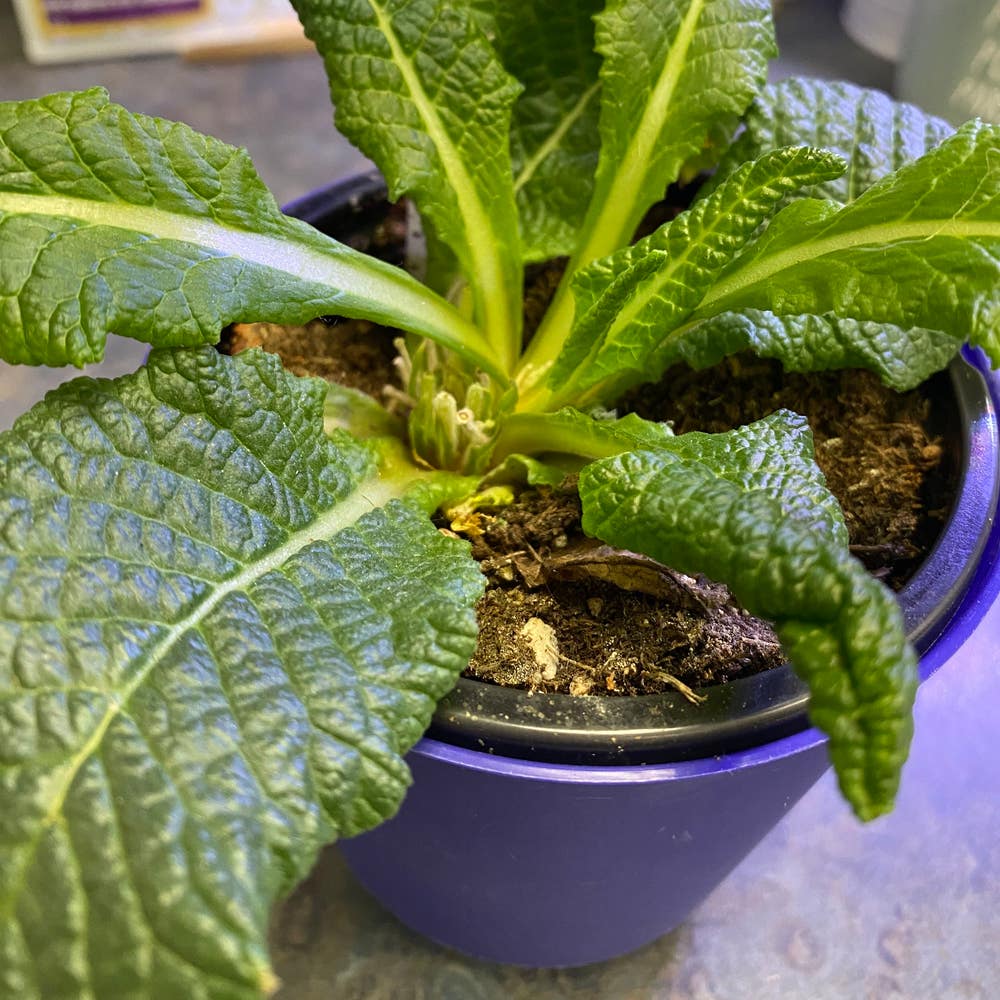
All About Primula 'Mermaid': Essential Facts 🧜♀️
Primula auricula 'Mermaid'
By the Greg Editorial Team
Feb 15, 2025•11 min read
This article was created with the help of AI so we can cover more plants for you. May contain errors. See one? Report it here.
- 🌞 Primula 'Mermaid' thrives in various light conditions, from shade to full sun.
- 🌱 Ensure well-draining, organic-rich soil for optimal growth and vibrant blooms.
- 🐾 Safe for pets, Primula 'Mermaid' is nontoxic to dogs and cats.
How to Grow
Choosing a Location 🌞
Primula 'Mermaid' thrives in a range of light conditions, from partial shade to full sun. Ideal settings include woodland gardens, borders, or even containers, allowing for versatility in your garden design.
Soil Preparation 🌱
For optimal growth, ensure the soil is well-draining and rich in organic matter. A slightly acidic to neutral pH, ideally between 6.0 and 7.0, will support healthy development.
Planting Techniques 🌼
When planting, aim for a depth of 1-2 inches to give your Primula the best start. Space them 12-18 inches apart to allow for their natural spread and growth.
Watering Requirements 💧
Keep the soil consistently moist, but avoid waterlogging, which can harm the roots. Watch for signs of overwatering, like yellowing leaves, or underwatering, which may cause wilting.
Fertilizing Schedule 🌿
Use a balanced, slow-release fertilizer to nourish your plants. Apply it in early spring and again in mid-summer for sustained growth and vibrant blooms.
Pruning and Ongoing Care ✂️
Regularly deadhead flowers to encourage new blooms and maintain a tidy appearance. Remove any damaged or yellowing leaves to promote overall plant health.
Outdoor vs. Container Growing 🏡
If growing in containers, ensure they have drainage holes and use a quality potting mix. For outdoor plants, consider protection from extreme weather to keep them thriving throughout the seasons.
With these essential growing tips, your Primula 'Mermaid' will flourish, adding beauty and charm to your garden. Next, let’s explore how to propagate this delightful plant for even more blooms!
Propagation
🌱 Seed Propagation
Primula 'Mermaid' can be propagated through seeds, which is best done in early spring or late summer. For successful germination, ensure the seeds are in a light, moist environment.
✂️ Division Method
Another effective propagation method is division, ideally performed in early spring or fall. To divide, carefully separate the clumps and replant them in suitable locations to encourage healthy growth.
This straightforward approach to propagation not only expands your garden but also enhances the vitality of your Primula 'Mermaid'. Whether you choose seeds or division, both methods offer a rewarding gardening experience.
Next, let’s explore the lifecycle of this charming plant, from germination to maturity.
Lifecycle
🌱 Germination and Seedling Stage
Primula 'Mermaid' seeds typically germinate within 2 to 4 weeks. During this time, it's crucial to maintain a consistently moist environment and provide adequate light for healthy seedling development.
🌿 Vegetative Growth
Once germination occurs, the plant enters a moderate growth phase. This stage is characterized by leaf development and the formation of a rosette, setting the foundation for future flowering.
🌸 Flowering and Seed Production
Expect vibrant blooms from late spring to early summer. During this period, pollination occurs, leading to seed maturation and ensuring the continuation of the plant's lifecycle.
⏳ Lifespan and Growth Rate
Primula 'Mermaid' has an overall lifespan of 3 to 5 years. It reaches full maturity in approximately 1 to 2 years, showcasing a moderate growth rate that can vary with seasonal changes.
This lifecycle overview highlights the importance of proper care at each stage to ensure a thriving Primula 'Mermaid'. Next, we will explore the size characteristics of this beautiful plant.
Size
Mature Height and Spread 🌱
Primula 'Mermaid' typically reaches a height of 12 to 18 inches. Its spread can vary from 12 to 24 inches, depending on the growing conditions.
Growth Habits and Rate 📈
This plant exhibits a moderate growth rate, which is influenced by factors such as light and water availability. You'll notice seasonal growth patterns, with more vigorous development during optimal conditions.
Size Variability Based on Conditions 🌍
Several factors can affect the size of Primula 'Mermaid'. Soil quality, light exposure, and watering practices all play crucial roles in determining how large your plants will grow.
Understanding these aspects can help you create the ideal environment for your Primula 'Mermaid', ensuring it thrives and showcases its stunning blooms. Next, let’s explore the roots of this beautiful plant and their significance in its overall health.
Roots
🌱 Root System Characteristics
Primula 'Mermaid' features a fibrous root system that is both shallow and extensive. This structure allows the plant to efficiently absorb nutrients and moisture from the top layers of soil.
⚠️ Common Root-Related Issues
One of the most common problems is root rot, which occurs when the roots sit in overly saturated soil. Signs of root rot include a foul smell and blackened, mushy roots; prevention involves ensuring well-draining soil and avoiding overwatering.
Identifying healthy roots is crucial for plant health. Healthy roots are typically white or light tan, firm to the touch, and free from any mushy or dark spots.
🌿 Recognizing Rootbound Plants
A rootbound plant has roots that circle the pot, indicating it has outgrown its container. Signs of rootbound plants include stunted growth and poor water absorption, as the roots struggle to take in moisture and nutrients.
To remedy this, consider repotting the plant into a larger container or performing root pruning. Both methods encourage healthier growth and allow the roots to spread out more freely.
With proper care and attention to the root system, Primula 'Mermaid' can thrive beautifully in your garden or home.
Benefits
Aesthetic Appeal 🌸
Primula 'Mermaid' dazzles with its vibrant flowers, showcasing stunning shades of pink, purple, and white. These blooms not only brighten up any garden but also create a lively atmosphere that draws the eye.
Attracting Pollinators 🐝
This plant plays a crucial role in supporting local ecosystems by attracting pollinators like bees and butterflies. Their presence enhances biodiversity and contributes to a thriving garden environment.
Soil Improvement 🌱
Beyond beauty, Primula 'Mermaid' enriches soil health through its organic matter contributions. As the plant grows and decomposes, it adds nutrients back into the soil, promoting a healthier garden ecosystem.
Cultural Significance 🎉
In various cultures, Primula symbolizes beauty and renewal. Its presence in gardens often represents hope and the arrival of spring, making it a meaningful addition to any landscape.
Therapeutic Benefits 🧘♀️
Gardening with Primula 'Mermaid' can be therapeutic, offering mental health benefits. Engaging with plants has been shown to reduce stress and improve overall well-being, making this flower a delightful choice for both aesthetics and health.
This multifaceted plant not only enhances your garden's beauty but also supports the environment and your well-being. Next, let's explore the concept of companion planting and how it can further benefit your gardening experience.
Companion Plants
🌱 Concept of Companion Planting
Companion planting is a gardening technique that enhances plant growth and health. It promotes pest management, boosts growth, and increases garden diversity.
🌼 Best Companion Plants
Primula 'Mermaid' thrives alongside shade-loving companions like ferns and hostas. These plants share similar care needs and create a visually appealing garden aesthetic.
🚫 Plants to Avoid
Avoid planting aggressive or invasive species near Primula 'Mermaid.' These plants can compete for resources, hindering growth and overall health.
By choosing the right companions, you can create a flourishing garden that supports the beauty and vitality of Primula 'Mermaid.' Next, let’s explore the potential toxicity of this charming plant to ensure safe gardening practices.
Toxicity to Humans
Primula 'Mermaid' can pose potential irritants, particularly through its leaves and sap. While many gardeners enjoy its beauty, it's essential to handle this plant with care to avoid any adverse reactions.
🚨 Symptoms of Irritation
Exposure to the leaves or sap may lead to skin rashes, itching, or mild gastrointestinal upset. If you experience any discomfort, it's best to wash the affected area thoroughly and seek medical advice if symptoms persist.
🧤 Safe Handling Tips
To minimize risks, always wear gloves when handling Primula 'Mermaid.' Additionally, avoid ingestion of any part of the plant, especially if you have sensitive skin or allergies.
As you enjoy the vibrant blooms of this lovely plant, remember to take these precautions. With a little care, you can appreciate its beauty without worry.
Next, let’s explore how Primula 'Mermaid' interacts with our furry friends, particularly dogs.
Toxicity to Dogs
When it comes to Primula 'Mermaid', pet owners can breathe a sigh of relief. Pet poison control centers confirm that this plant is nontoxic to dogs, making it a safe choice for your garden.
However, while Primula 'Mermaid' is generally safe, minor issues may arise if your dog consumes it. You might notice mild gastrointestinal upset, such as a slight stomach ache or vomiting.
🐶 Tips for Introducing to Homes with Dogs
To ensure a harmonious coexistence between your plants and furry friends, consider these simple tips:
Proper Placement: Position your Primula 'Mermaid' in areas that are less accessible to your dog. Elevated pots or hanging baskets can help keep them out of reach.
Monitoring: Keep an eye on your dog’s behavior around the plants. If they show interest in nibbling, redirect their attention with toys or treats.
By following these guidelines, you can enjoy the beauty of Primula 'Mermaid' without worrying about your dog's safety.
Next, let’s explore the potential toxicity of this plant to cats, ensuring all your pets are safe in your garden.
Toxicity to Cats
When it comes to Primula 'Mermaid', you can breathe easy. Pet poison control centers confirm that this plant is nontoxic to cats, making it a safe choice for your home.
However, if your feline friend decides to nibble on a leaf, there may be minor issues. You might notice mild gastrointestinal upset, but this is generally not a cause for alarm.
🐾 Tips for Introducing to Homes with Cats
To ensure a harmonious coexistence, consider proper placement of your Primula 'Mermaid'. Keep it out of reach of curious paws to minimize any potential snacking.
Monitoring your cat's behavior around the plant is also wise. This way, you can quickly address any unusual interest or reactions.
With these simple precautions, you can enjoy the beauty of Primula 'Mermaid' without worrying about your furry companions. Now, let’s explore the common issues faced when growing this delightful plant.
Problems
Common Issues Faced 🌱
Growing Primula 'Mermaid' can be rewarding, but it comes with its challenges. Incorrect watering is a frequent issue; overwatering leads to soggy soil, while underwatering can cause wilting.
Light conditions also play a crucial role. Too much sun can scorch the leaves, while insufficient light may result in weak, leggy growth.
Diseases 🦠
Fungal diseases can plague your Primula 'Mermaid'. Common culprits include powdery mildew, rust, and black rot, which thrive in humid conditions.
Regular monitoring and proper air circulation can help prevent these issues. If you spot any signs, act quickly to contain the spread.
Root Problems 🌿
Root rot is another concern for this plant. It typically occurs when the soil remains too wet, leading to mushy roots.
To prevent root rot, ensure your soil drains well and avoid letting the plant sit in water. If you suspect root rot, inspect the roots and remove any that appear brown or mushy.
Leaf Issues 🍃
Leaf problems can manifest in various ways. Scorching may occur due to excessive sunlight, while yellowing leaves often indicate nutrient deficiencies or overwatering.
Fuzzy growth on leaves can signal fungal infections. Regularly check your plants to catch these issues early.
Growth Problems 📉
Unhealthy growth is a clear sign something's off. Leggy, etiolated plants often result from inadequate light, while stunted growth can stem from poor soil conditions.
Keep an eye on your Primula 'Mermaid' to ensure it thrives. Addressing these problems promptly will help maintain its vibrant beauty.
With these insights, you can better care for your Primula 'Mermaid'. Next, let’s explore the fascinating world of pests that may threaten your plants.
Bugs
Potential Pest Issues 🐛
Primula 'Mermaid' is known for its moderate pest resistance. This means while it can withstand some pest pressure, it's still important to keep an eye out for potential invaders.
Identification of Pests 🔍
Common pests that may target your Primula include spider mites, aphids, mealybugs, and whiteflies. Each of these pests can cause varying degrees of damage, so early identification is key to effective management.
Damage Caused by Pests ⚠️
Pest damage typically manifests as leaf discoloration and stunted growth. If you notice your plants looking less vibrant or not growing as expected, pests might be the culprit.
Treatment Options for Pests 🧴
To combat these pests, consider using insecticidal soap or neem oil, both of which are effective and relatively safe. Manual removal of pests can also be a practical approach, especially for smaller infestations.
Keeping your Primula 'Mermaid' healthy involves vigilance against pests. By recognizing the signs early and employing effective treatments, you can ensure your plants thrive.
What Eats
Common Animals that May Damage 🐾
Primula 'Mermaid' can attract a variety of herbivores. Watch out for deer, rabbits, squirrels, birds, and rodents, as they may find your vibrant flowers irresistible.
Signs of Animal Presence 🕵️♂️
Identifying signs of animal activity is crucial for protecting your plants. Look for droppings, chewed leaves, and tracks around your garden to determine which critters are visiting.
Damage Description 🥴
The damage caused by these animals can be quite noticeable. Expect to see eaten leaves and broken stems, which can hinder the growth and beauty of your Primula.
Deterrent Methods 🚫
To keep these pests at bay, consider various deterrent methods. Chemical repellents, fencing, and companion planting can effectively protect your plants from unwanted munchers.
By being proactive and observant, you can enjoy the beauty of Primula 'Mermaid' without the worry of hungry visitors. Next, let’s explore the potential pest issues that may arise in your garden.
⚠️ Safety First
This content is for general information and may contain errors, omissions, or outdated details. It is not medical, veterinary advice, or an endorsement of therapeutic claims.
Always consult a qualified healthcare professional before using any plant as food, medicine, or supplement.
Never eat any plant (or feed one to pets) without confirming its identity with at least two trusted sources.
If you suspect poisoning, call Poison Control (800) 222-1222, the Pet Poison Helpline (800) 213-6680, or your local emergency service immediately.
Spotted an error? Please report it here.
Nurture your Primula 'Mermaid' 🌼 to thrive beautifully with Greg's tailored watering alerts and community insights, ensuring your garden flourishes in any light!